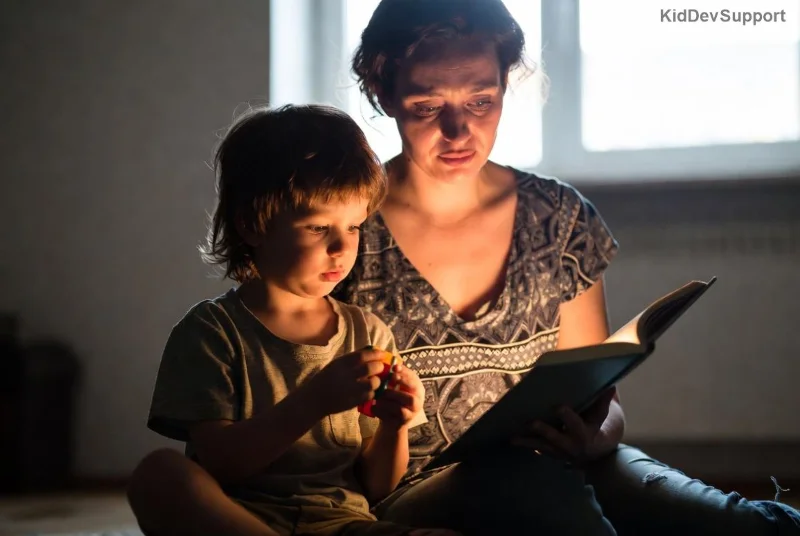
If your little one is a late talker, you're not alone. Many toddlers lag in speech but thrive with the right tools. Fun finger plays & rhymes for late talkers are game-changers, blending movement, rhythm, and repetition to build language skills naturally. These activities stimulate brain connections, boost vocabulary, and make learning irresistible. Ready to turn playtime into progress? Let's dive in.
Understanding Late Talkers: When Words Come Slower
Late talkers are children aged 18-30 months using fewer words than peers—often under 50 words by 24 months. Recent studies from trusted sources like the American Speech-Language-Hearing Association (ASHA) show 15-20% of toddlers fit this profile, with most catching up by school age. However, early intervention via fun finger plays & rhymes can speed things up, reducing frustration and fostering confidence.
Why Fun Finger Plays & Rhymes for Late Talkers Work Wonders
- Multisensory Boost: Touch, sound, and motion activate multiple brain areas, per the latest neuroscience on child development.
- Repetition Builds Memory: Rhymes reinforce sounds and words effortlessly.
- Emotional Connection: Face-to-face play strengthens parent-child bonds, encouraging imitation.
- Vocabulary Explosion: Short, rhythmic phrases introduce 10-20 new words per activity.
Research highlights these as top tools for home-based speech therapy, with visible gains in weeks.
Top 10 Fun Finger Plays for Late Talkers: Hands-On Heroes
Start simple: Sit face-to-face, exaggerate gestures, and pause for your child to mimic. Repeat daily for 5-10 minutes.
| Finger Play Name |
Actions |
Target Words/Skills |
| Itsy Bitsy Spider |
Fingers climb up, rain falls with hands waving down, spider crawls back up. |
Up, down, spout, wash—motor planning & opposites. |
| Wheels on the Bus |
Roll hands for wheels, honk nose, wipe windows with palms. |
Go, round, beep—action words & sequencing. |
| Open, Shut Them |
Clap hands open/shut, lay them in lap. |
Open, shut, fast, slow—body awareness. |
| Five Little Ducks |
Hold up fingers, duck behind back one by one. |
Numbers 1-5, quack, back—counting & sounds. |
| Pat-a-Cake |
Clap, roll dough, pat cheeks. |
Pat, roll, bake—rhyming & imitation. |
| Tommy Thumb |
Wiggle each finger up/down. |
Thumb, pointer, tall man—finger names & rhythm. |
| Spider on the Floor |
Spider crawls from toe to head, then shakes off. |
Head, shoulders, knees—toe sequencing. |
| Two Little Blackbirds |
Fingers fly behind back, return to different sides. |
Here, there, fly—positions & surprise. |
| Peek-a-Boo Hands |
Cover face with hands, peek out. |
Peek-a-boo, where—social interaction. |
| Hickory Dickory Dock |
Mouse runs up clock (arm), chimes with claps. |
Up, down, tick-tock—time concepts. |
These fun finger plays for late talkers are backed by speech therapists as first-line strategies. Watch your child's eyes light up!
![Parent and toddler enjoying rhymes for speech delay]()
Best Fun Rhymes for Late Talkers: Sing, Repeat, Succeed
Rhymes pair perfectly with finger actions. Chant slowly, then speed up. Here's a curated list:
- Row, Row, Row Your Boat: Hold hands, rock back/forth. Targets: gently, stream, merrily.
- Twinkle Twinkle Little Star: Diamond hands up high/down low. Builds: star, high, low.
- Head, Shoulders, Knees, and Toes: Touch body parts. Essential for labeling.
- I'm a Little Teapot: Tip, pour, short/fat handle. Introduces descriptors.
- Round and Round the Garden: Trace palm circle, tickle fingers. Sparks giggles & anticipation.
- One, Two, Buckle My Shoe: Counting rhyme with claps/snaps. Numbers + actions.
- Baa Baa Black Sheep: Finger sheep, pass wool (hands). Animals & colors.
Incorporate props like scarves or toys for extra engagement. New guidelines from pediatric experts emphasize daily rhyme routines for optimal results.
Pro Tips: Maximize Finger Plays & Rhymes for Late Talkers
- Follow Their Lead: Imitate your child's sounds first to build turn-taking.
- Use Mirrors: Watch expressions together for self-awareness.
- Record & Playback: Videos motivate repetition.
- Pair with Books: Act out stories post-rhyme.
- Track Progress: Note new words weekly—celebrate wins! 🏆
Consistency is key. Aim for 3 sessions daily, mixing plays and rhymes.
![Family bonding with speech-boosting finger rhymes]()
When to Consult a Speech Therapist
While fun finger plays & rhymes for late talkers shine, monitor red flags: no babbling by 12 months, no words by 18 months, or loss of skills. The CDC recommends screening by age 2 if concerned (CDC Milestones). Early therapy can prevent long-term delays—don't hesitate.
Final Spark: Your Playtime Revolution Starts Now
Transform worry into wonder with these fun finger plays & rhymes for late talkers. Parents report first words emerging after just two weeks of dedicated play. Your child’s voice is waiting—grab those hands and start singing! Share your success stories below and keep the language adventure going. What's your favorite rhyme? 👏