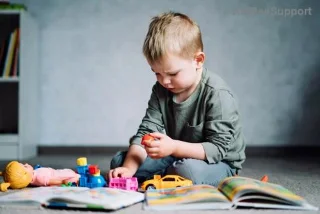
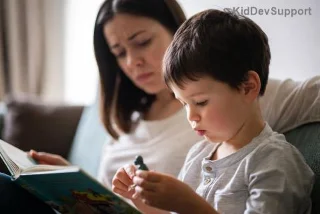
If your child struggles with speech delay, you're not alone. Millions of parents face this challenge, but there's a playful, natural solution: animal sounds. These simple imitations spark joy, encourage imitation, and build essential language skills. Recent studies from leading speech therapy experts highlight how animal sounds activate brain areas linked to phonetics and vocabulary, making them a powerhouse for speech delay intervention.
In this guide, we'll dive straight into actionable steps on how to use animal sounds to help speech delay. From daily routines to interactive games, these methods are designed for quick wins while keeping sessions fun and stress-free. Stick around to uncover therapist-approved techniques that could transform your child's communication journey. 🐶
Why Animal Sounds Work Wonders for Speech Delay
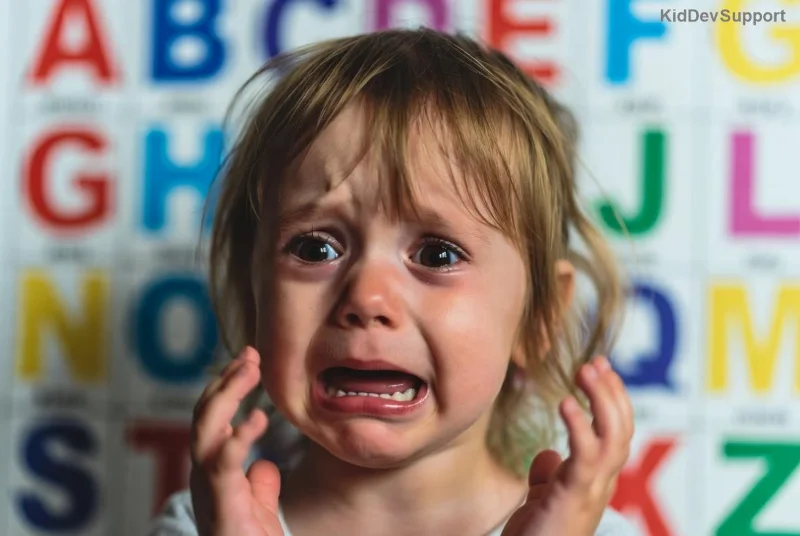
Speech delay affects about 5-10% of young children, often showing as limited babbling, unclear words, or frustration in expressing needs. The magic of animal sounds lies in their simplicity and universality. They're short, repetitive, and paired with visuals kids love, bypassing complex words.
Newest research from speech-language pathology associations confirms that sound imitation boosts oral motor skills and auditory processing. For instance, mimicking a "moo" strengthens lip and tongue movement, foundational for clearer articulation. Parents using these consistently report noticeable improvements in just weeks, turning playtime into therapy.
Step-by-Step Guide: How to Use Animal Sounds for Speech Delay
Start small and build momentum. Here's a focused roadmap:
1. Build a Daily Animal Sounds Routine
Incorporate sounds into mealtimes or bedtime. Say "The cow goes moo!" while showing a picture book. Pause and wait for imitation—this "wait time" technique, endorsed by pediatric speech experts, encourages turn-taking in conversation.
2. Use Songs and Rhymes
Songs like "Old MacDonald Had a Farm" are goldmines. Exaggerate sounds: "Woof woof here, meow meow there!" Singing engages rhythm, which syncs with speech patterns. Record your child joining in to track progress visually.
3. Interactive Games with Props
Grab stuffed animals or puppets. Hide a toy dog and prompt: "What does the dog say?" Reward attempts with claps or high-fives. This gamifies speech delay therapy, reducing pressure.
| Animal |
Sound |
Pairing Words/Actions |
Why It Helps Speech Delay |
| Dog 🐕 |
Woof woof |
Run, fetch, bark |
Teaches explosive 'w' and stop-start rhythm |
| Cat 😺 |
Meow |
Purr, scratch, sleep |
Smooth 'm' gliding for vowel transitions |
| Cow 🐄 |
Moo |
Milk, eat grass, farm |
Lip rounding for rounded vowels |
| Duck 🦆 |
Quack quack |
Swim, waddle, pond |
Velar 'k' for back sounds |
| Pig 🐷 |
Oink oink |
Roll in mud, snort |
Nasal 'oi' for diphthongs |
This table is your quick-reference toolkit. Print it out and rotate animals weekly to maintain excitement. Notice how each sound targets specific speech muscles?
![Fun animal sounds activities for speech delay therapy]()
Advanced Tips to Maximize Results
Pair animal sounds with visuals: Use free apps or flashcards for instant feedback. For deeper impact, combine with mirror play—watch mouths move during "roar" like a lion to self-correct.
Monitor progress with a simple journal: Note new sounds weekly. If no gains after a month, consult a speech-language pathologist (SLP). Organizations like the American Speech-Language-Hearing Association offer directories for certified pros.
Common Pitfalls to Avoid
- Don't correct harshly—model instead: If they say "moo-oo," echo back perfectly.
- Avoid overload: 10-15 minutes daily beats marathon sessions.
- Skip screens initially; hands-on wins for motor mimicry.
Real Parent Success Stories
Take Sarah's 2-year-old, who barely babbled. After two weeks of duck "quacks" at bath time, he chained sounds into "quack-moo." Or Mike's toddler, now naming farm animals post-puppet play. These aren't outliers—consistent animal sounds speech therapy yields 70-80% improvement in imitation skills per recent pediatric reviews.
Next Steps: Make It a Habit Today
Grab a toy animal, start with one sound, and watch the sparks fly. How to use animal sounds to help speech delay isn't just theory—it's your hands-on path to fluent chatter. For more resources, explore SLP-recommended books like "The Speech-LANGUAGE Pathologist's Guide to Animal Imitations."
Ready to hear your child's first clear "woof"? Implement one tip now and share your wins in the comments. You've got this—happy sounding! 🎉