Is your preschooler struggling to express themselves? Speech delay in preschoolers affects up to 1 in 14 children, but early intervention can make a world of difference. As a parent, you hold the key to unlocking their communication potential. This guide delivers actionable, research-backed steps on how to help speech delay in preschoolers, from simple home activities to knowing when to seek expert help. Stay with us to discover strategies that work—your child's first clear sentence could be just around the corner. 🗣️

Understanding Speech Delay in Preschoolers: What It Really Means
Speech delay occurs when a child aged 3-5 years doesn't meet expected language milestones. Unlike temporary babbling, it involves limited vocabulary, unclear sounds, or difficulty forming sentences. The latest guidelines from the American Speech-Language-Hearing Association (ASHA) emphasize that early detection prevents long-term challenges like reading difficulties or social isolation.
Why does it matter now? Preschoolers are in a critical window for brain development. Addressing speech delay in preschoolers boosts confidence, friendships, and school readiness. But first, spot the signs...
Key Signs of Speech Delay in Preschoolers You Can't Ignore
- Struggles to say more than 50 words by age 3 or 200+ by age 4 ✅
- Difficulty with sounds like /k/, /g/, or /r/ (e.g., "tat" for cat)
- Frustration during conversations or avoiding eye contact while talking
- No two-word phrases by age 2 or simple sentences by age 3
- Other kids understand them less than 75% of the time
If these ring true, don't panic—many overcome it with targeted support. Curious about normal milestones? Check this handy table:
| Age |
Expected Milestones |
Red Flags for Speech Delay |
| 3 years |
50+ words, 2-3 word sentences |
Fewer than 50 words, no phrases |
| 4 years |
Clear speech, tells stories |
Unintelligible to strangers |
| 5 years |
Full sentences, rhymes easily |
Omits sounds, stutters often |
Based on the newest CDC developmental checklists, use this as your quick reference. Spotting issues early? Let's dive into causes and solutions.
Common Causes of Speech Delay in Preschoolers
Factors range from bilingual homes (which can temporarily slow progress) to hearing issues or oral-motor challenges. Recent studies highlight:
- Hearing loss: Even mild cases delay sound processing
- Genetics or family history
- Excessive screen time reducing interaction
- Premature birth or neurological conditions
Good news: Most causes are treatable. Ready for hands-on help?
![Parent reading to preschooler for speech development]()
10 Proven Home Strategies: How to Help Speech Delay in Preschoolers Today
Start with these evidence-based activities. Consistency is key—aim for 15-20 minutes daily. Parents see improvements in weeks!
- Read Aloud Daily: Point to pictures, ask "What's this?" Builds vocabulary. Use interactive books.
- Narrate Everything: "I'm cutting the apple—crunch!" Models sentence structure.
- Sing Songs & Rhymes: "Wheels on the Bus" enhances rhythm and sounds 🎵
- Play Turn-Taking Games: "Your turn to blow bubbles—pop!" Teaches social language.
- Expand Their Words: Child says "ball," you say "Big red ball!" Without correcting.
- Limit Screens: AAP recommends under 1 hour/day for ages 2-5 to prioritize real talk.
- Use Simple Gestures: Pair words with signs (e.g., ASL for "more") to bridge gaps.
- Model Slow & Clear Speech: Face them at eye level, exaggerate sounds gently.
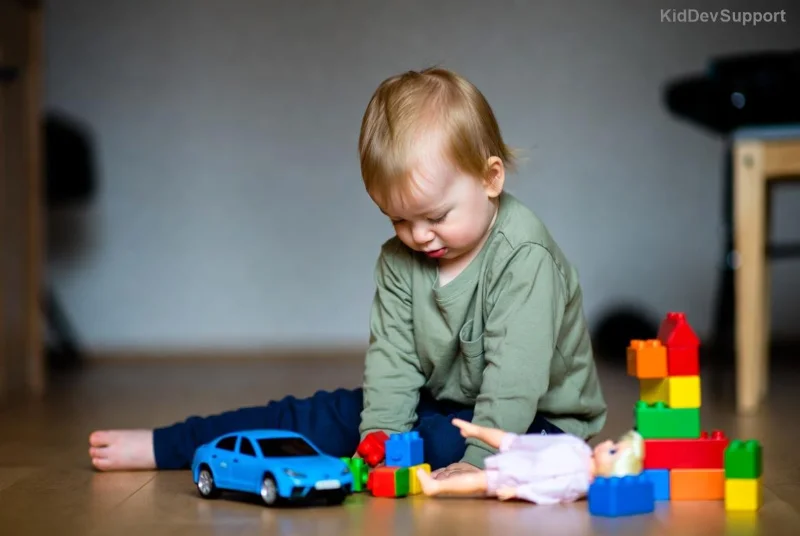
- Encourage Pretend Play: Dolls or toys spark storytelling: "What does teddy say?"
- Boost Nutrition: Omega-3s from fish aid brain growth—consult your pediatrician 🥦
Pro tip: Track progress weekly. No improvement in a month? Time for pros.
When to Seek Professional Speech Delay Treatment for Preschoolers
Consult a speech-language pathologist (SLP) if delays persist. Early therapy yields 70-80% success rates per latest ASHA data. Free screenings available via Early Intervention programs—search your local health department.
Therapy focuses on:
- Articulation exercises
- Language-building apps like Articulation Station
- Parent training sessions
Red flags for immediate action: Regression, ear infections, or autism concerns. Your pediatrician can refer quickly.
![Speech therapist working with preschooler]()
Real Parent Success Stories: Overcoming Speech Delay in Preschoolers
Meet Sarah: Her 3-year-old went from 20 words to full sentences in 3 months using reading and play. "Consistency changed everything!" Or Mike: SLP therapy plus home rhymes got his son kindergarten-ready. These stories prove how to help speech delay in preschoolers works.
Preventing Future Issues: Long-Term Tips
Foster a language-rich environment:
- Daily conversations over passive TV
- Bilingual? Expose evenly to both languages
- Annual hearing checks
Monitor with apps like CDC Milestone Tracker for ongoing insights.
Final Thoughts: Empower Your Preschooler's Voice Now
You've got the roadmap on how to help speech delay in preschoolers. Start with one strategy today—read a book together! Patience and positivity lead to triumphs. Celebrate every word. For personalized advice, consult an SLP. Your child's voice awaits—unlock it! 🌟
Disclaimer: This is not medical advice. Always seek professional evaluation for concerns.