That magical instant when your little one utters their first "I love you" melts every parent's heart. It's more than words—it's a profound parenting milestone signaling emotional growth, attachment, and language development. According to the latest pediatric guidelines from trusted sources like the American Academy of Pediatrics (AAP), children typically express such affection between ages 2 and 4, but every child's timeline is unique.
This child’s first I love you deserves celebration that honors the bond you've nurtured. In this guide, we'll explore meaningful, practical ways to mark the occasion, ensuring the joy lingers. Ready to turn this whisper into a lifetime treasure? Let's dive in.
Why Your Child’s First "I Love You" Is a Milestone Worth Celebrating
The first "I love you" isn't random—it's a leap in emotional intelligence. Recent studies highlight how these expressions strengthen family bonds and boost a child's confidence. Celebrating it reinforces positive language use and creates ripple effects on their social skills.
Key benefits include:
- Deepens parent-child attachment 🏆
- Encourages verbal expression
- Builds lasting family memories
Don't just hear it—amplify it. Here's how to respond in the moment: Smile widely, hug tightly, and echo it back. This reciprocity cements the emotion.
10 Instant Ways to Capture the Magic Right Then
Spontaneity makes the best memories. When those words tumble out, act fast with these ideas:
- Record it: Whip out your phone for video or voice memo. Capture the tone, giggles, and your reaction.
- Hug and spin: Physical joy amplifies the emotion.
- Say it back creatively: "I love you more!" sparks playful banter.
- Freeze-frame photo: A candid snap preserves the raw happiness.
Pro tip: Keep your phone handy during high-emotion times like bedtime or playtime, when these words often emerge.
Thoughtful Ways to Celebrate Your Child’s First "I Love You" Long-Term
One-time cheers fade; enduring tributes shine. Elevate the moment with these heartfelt strategies:
Create a "Love You" Memory Box
Start a dedicated box with the recording, photo, and handwritten notes. Add future "I love you" mementos. Open it on birthdays for tearful laughs.
Host a Mini Family Love Fest
Gather loved ones for cake, balloons, and sharing affection stories. Make it annual to track growth.
Quick Celebration Ideas Table
| Idea |
Why It Works |
Effort Level |
| Custom "I Love You" Book |
Personalized storybook with your child's words |
Medium |
| Plant a Love Tree |
Grows with your family bond 🌳 |
Low |
| Engraved Jewelry |
Wearable reminder for parents |
High |
| Family Playlist |
Songs triggered by the moment |
Low |
These activities not only celebrate your child’s first I love you but also teach gratitude and expression.
Age-Appropriate Celebrations for Toddlers to Preschoolers
Timing matters. For 2-year-olds, keep it simple with sensory fun like heart-shaped cookies. Three-year-olds love crafts—make "I love you" art with finger paints.
By age 4, involve them in planning: "How should we celebrate your special words?" This empowers them.
- Toddlers (2-3): Sensory play, cuddles
- Preschoolers (3-5): Crafts, stories
Latest child development insights emphasize matching celebrations to developmental stages for maximum impact.
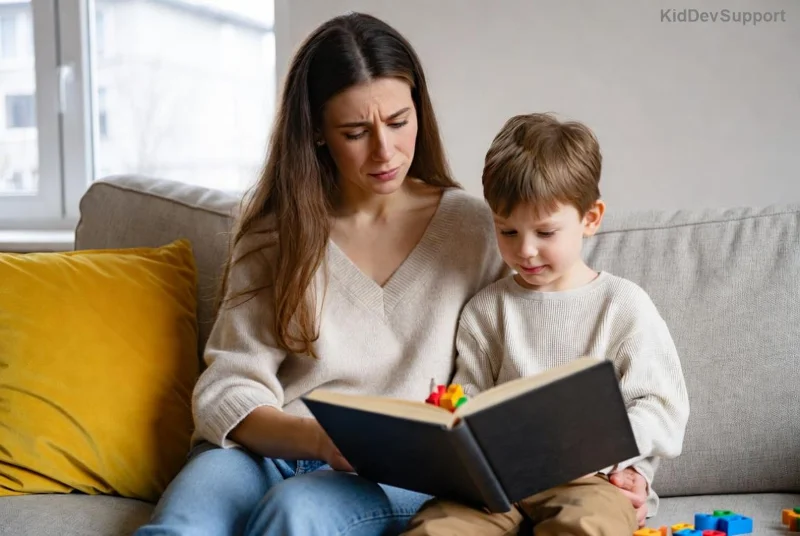
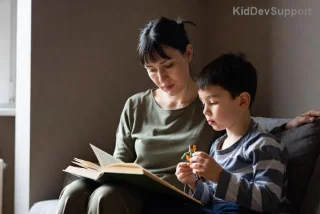
![Parent and child sharing loving moment, ideas for celebrating child’s first I love you]()
Expert Tips: Nurture More "I Love You" Moments
Pediatricians recommend modeling affection daily. Read books like "Guess How Much I Love You" and use phrases in routines. If delays concern you, consult resources from CDC's Act Early.
Watch for signs of readiness: Eye contact, hugs, and simple words precede this milestone. Celebrate progress, not perfection.
Common Pitfalls to Avoid When Celebrating
Overdoing it can overwhelm. Skip big parties for quiet intimacy. Don't pressure repeats—let it flow naturally. Focus on genuine joy over perfection.
Turn It Into a Family Tradition
Make "child’s first I love you" day annual. Share updates via a family journal. As they grow, reflect: "Remember when you first said it?" This builds resilience and love.
Your Next Steps: Make the Magic Happen
Today, prepare your memory kit. When it happens, you'll be ready. Share your stories in comments—what's your dream celebration? For more parenting milestones, explore our guides on first steps and words.
This child’s first I love you is your family's North Star. Celebrate boldly, love fiercely, and watch the bonds deepen. ❤️