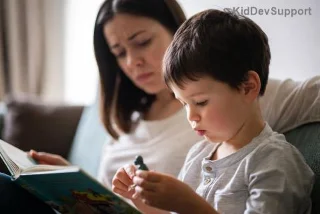
Imagine your bright, chatty preschooler freezing up at playgroup, eyes wide but lips sealed. This isn't simple shyness—it's often selective mutism in preschoolers, a misunderstood anxiety disorder affecting up to 1 in 140 young children. Early understanding can transform silence into confident voices. In this guide, we'll break down what it is, spot key signs, explore causes, and share actionable strategies. Ready to empower your little one? Let's start with the basics.
What Is Selective Mutism?
Selective mutism (SM) is an anxiety-based disorder where children can speak fluently at home but become "mute" in specific settings like preschool or with strangers. It's not defiance or hearing loss—it's a "freeze" response rooted in intense fear. The American Speech-Language-Hearing Association classifies it as a communication disorder linked to social anxiety.
In preschoolers (ages 3-5), SM often emerges during the transition to group settings. Unlike temporary shyness, it persists for at least one month and impairs social or academic functioning. Wondering if your child fits this? Key traits include consistent silence despite capability, escalating anxiety cues like clinging or avoidance.
Causes and Risk Factors of Selective Mutism in Preschoolers
While exact causes remain elusive, recent research highlights a mix of genetic, environmental, and neurological factors. Temperamental traits like high sensitivity play a role—children with inhibited personalities are more prone. Family history of anxiety disorders increases risk by up to 50%.
- Genetic links: Heritability estimates suggest 30-50% genetic influence.
- Environmental triggers: Major life changes, such as moving or starting preschool, can ignite symptoms.
- Brain differences: Newest neuroimaging shows heightened amygdala activity, the brain's fear center, in SM children.
It's not caused by parenting styles, but bilingual homes or perfectionism can amplify vulnerability. Early identification prevents escalation—keep reading for red flags.
Recognizing Symptoms of Selective Mutism in Preschoolers
Spotting SM early is crucial, as untreated cases can lead to social isolation. Preschoolers may whisper to parents but stay silent with teachers. Watch for:
| Symptom |
Description |
Normal Shyness Comparison ⚠️ |
| Silence in Select Settings |
No speech at school despite talking at home |
Gradual warming up; speaks eventually |
| Physical Anxiety Signs |
Stiff posture, wide eyes, stomachaches before social events |
Mild discomfort that fades |
| Non-Verbal Reliance |
Points, gestures, or uses siblings as "spokespeople" |
Verbalizes needs after short hesitation |
| Duration & Impact |
Lasts months; affects play, learning |
Short-term, minimal disruption |
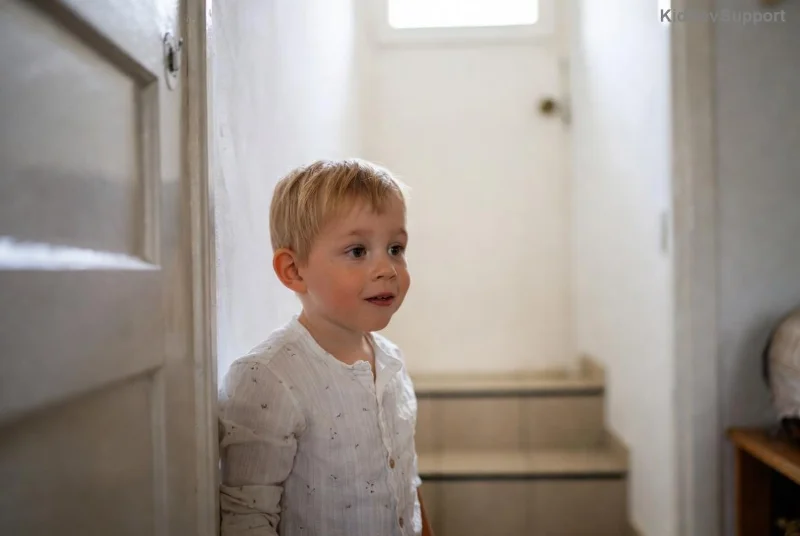
![Child with selective mutism symptoms in preschool]()
This table highlights why selective mutism symptoms demand attention. If your preschooler avoids eye contact or hides during circle time, it might be time for professional input. Next, learn diagnosis steps.
How Is Selective Mutism Diagnosed?
Diagnosis involves multidisciplinary teams: pediatricians, speech-language pathologists (SLPs), and psychologists. No single test exists; clinicians use DSM-5 criteria, ruling out autism or trauma. Tools like the Selective Mutism Questionnaire provide parent/teacher ratings.
Newest guidelines emphasize observation in natural settings. Bilingual assessments ensure cultural fairness. Early diagnosis (before age 5) yields 80-90% success rates with intervention. Curious about treatments? Proven options await below.
Effective Treatments for Selective Mutism in Preschoolers
The gold standard is cognitive behavioral therapy (CBT) adapted for young children, focusing on gradual exposure. Programs like PCIT-SM (Parent-Child Interaction Therapy for SM) build bravery through play.
- Behavioral Strategies: "Brave talking" charts reward small steps 👨⚕️.
- Medication: SSRIs like fluoxetine for severe anxiety, per latest pediatric protocols.
- SLP Involvement: Builds communication skills without pressure.
School-based interventions, like fading (teachers slowly join home-like play), show rapid gains. Combine with home practice for best results—parents, your role is pivotal.
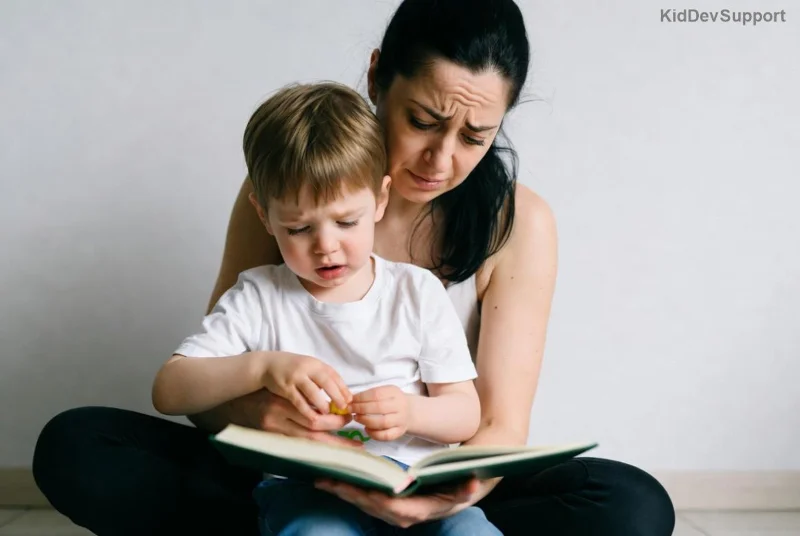
![Therapy session for selective mutism in young children]()
How Parents Can Support Children with Selective Mutism
You hold the key to progress. Start with empathy: never force speech, as it heightens fear. Practical tips:
- Model calm interactions at school drop-offs.
- Use non-verbal signals like thumbs-up for encouragement.
- Practice "sliding in" scenarios at home with puppets.
- Collaborate with teachers via daily logs.
Track wins to build momentum. One parent shared: "My 4-year-old went from silent to whispering 'hi' in weeks." Your consistent support turns challenges into triumphs.
School and Long-Term Strategies
Educators play a starring role. Create "safe zones" for whispering, pair with talkative peers, and avoid attention-drawing questions. Long-term, 70-80% outgrow SM with intervention, evolving into confident kids.
Monitor for co-occurring issues like separation anxiety. Annual check-ins ensure sustained gains. What if symptoms persist? Consult specialists promptly.
Final Thoughts: Break the Silence Today
Selective mutism in preschoolers is conquerable with knowledge and action. From recognizing symptoms to implementing CBT and home strategies, you're now equipped to help your child thrive. Don't wait—schedule a pediatric evaluation if silence lingers. Share your story in comments below; together, we unlock voices. For more resources, visit trusted sites like the Selective Mutism Association. Your child's first words in new settings? They're closer than you think! 🌟