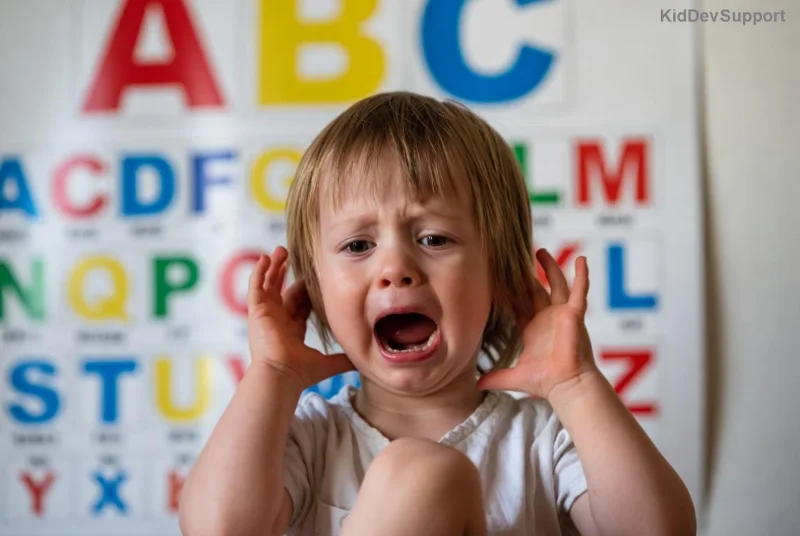
Imagine a child who remains silent until age 4, worrying parents about their future. Yet, history is filled with famous people who didn’t talk until age 4—individuals who turned speech delays into triumphs of innovation and leadership. These late talkers prove that delayed speech doesn't define intelligence or destiny. 🧠 In fact, many experts note that such delays can correlate with deep thinking and creativity. This article dives into their stories, offering hope and insights for parents facing similar challenges.
Why Do Some Children Experience Speech Delays?
Before exploring these icons, understand that speech delays affect up to 10% of children, per the newest pediatric guidelines. Causes range from bilingual environments to selective mutism or even genius-level focus on other skills. Importantly, most outgrow it without intervention. But when does it signal a need for help? Early therapy can make a difference—keep reading for real-world proof from history's greatest minds.
Top Famous People Who Didn’t Talk Until Age 4: A Summary Table
| Name |
Achievement |
Speech Delay Insight |
| Albert Einstein |
Theory of Relativity, Nobel Prize 🏆 |
Silent until age 4, then fluent in complex ideas |
| Thomas Edison |
1,000+ patents, light bulb inventor 💡 |
Didn't speak until nearly 4; teacher called "addled" |
| Winston Churchill |
WWII Prime Minister, Nobel in Literature |
Stuttered and late speaker until age 4+ |
| Lewis Carroll |
Alice in Wonderland author 📖 |
No words until age 4; became storytelling master |
| Temple Grandin |
Autism advocate, livestock expert |
Late talker until 4; visual thinker triumphed |
This table highlights just a few famous people who didn’t talk until age 4. Their journeys inspire—let's unpack each story to see how they overcame obstacles.
![Inspirational journey of late talkers achieving greatness]()
1. Albert Einstein: The Silent Genius
Albert Einstein, father of modern physics, exemplifies late talkers famous people. Family lore reveals he uttered no words until age 4, prompting concerns. Then, suddenly, he declared, "The soup is too hot!" From there, his verbal explosion matched his intellectual one. Recent biographies confirm his delay stemmed from intense focus on patterns, not impairment. Today, CDC resources echo this: many bright children prioritize cognition over speech. Einstein's legacy? Revolutionizing science despite early silence.
2. Thomas Edison: From "Addled" to Illuminated
Inventor Thomas Edison faced ridicule for his speech delay. He didn't speak meaningfully until nearly age 4, leading his teacher to label him "addled." His mother pulled him from school for homeschooling, unlocking his potential. Edison patented over 1,000 inventions, including the phonograph and practical light bulb. 💡 Newest analyses of his letters show he compensated with relentless experimentation. For parents: Edison's story underscores patience—therapy plus encouragement sparked his genius.
3. Winston Churchill: The Stuttering Lion
Winston Churchill, Britain's wartime leader, battled a severe stutter and didn't converse until after age 4. His nanny despaired, but Churchill practiced speeches alone. He became a masterful orator, earning a Nobel in Literature. Recent documentaries highlight how his delay fueled empathy and resolve. Facing bullies? Churchill's grit turned weakness into his rallying cry: "We shall never surrender."
4. Lewis Carroll: Wonderland from Silence
Author of Alice's Adventures in Wonderland, Lewis Carroll (Charles Dodgson) was mute until age 4. He then blossomed into a wordsmith, crafting nonsense verse and logic puzzles. His stutter persisted, but imagination soared. Modern linguists link his delay to creative language processing. Carroll teaches: speech delay celebrities often excel in abstract thought.
5. Temple Grandin: Visual Pioneer
Dr. Temple Grandin, a professor and autism spokesperson, didn't speak until age 3.5-4. Diagnosed autistic, she revolutionized humane livestock handling with visual designs. Her book Thinking in Pictures explains how non-verbal thinking led to success. Grandin's advice? Early intervention like hers—speech therapy and hugging machines—unlocked her voice and innovations. 😊
More Famous Late Talkers: Honorable Mentions
- King George VI: Overcame stutter (late onset speech) to inspire a nation via radio.
- Virginia Woolf: Delayed speech fueled profound literary depth.
- Isaac Newton: Solitary child, late communicator, physics pioneer.
What Can Parents of Late Talkers Do Today?
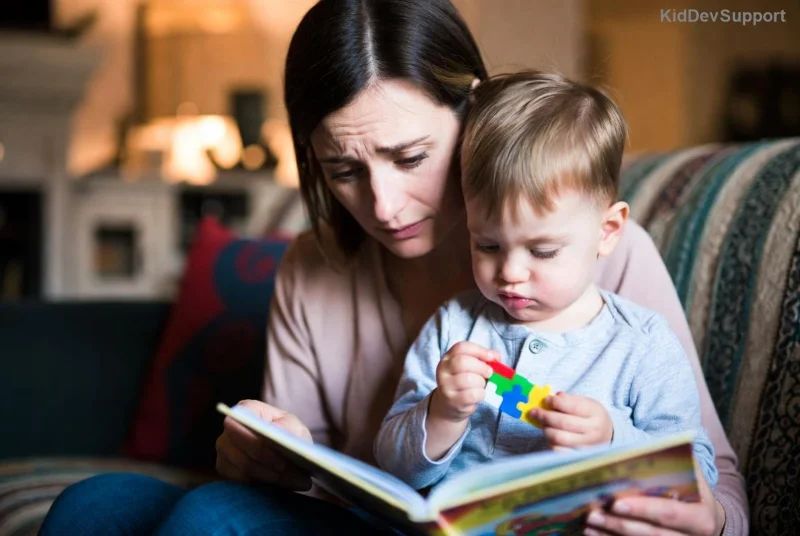
If your child is among potential late blooming geniuses, act early. Newest guidelines recommend:
- Screening by age 2 via pediatricians.
- Speech-language therapy: Proven 80% success rate.
- Rich language exposure: Read daily, narrate play. 📚
- Monitor milestones: By age 4, most catch up.
Consult professionals if delays persist beyond 4. Stories of these
famous people who didn’t talk until age 4 remind us: delays are detours, not dead ends. Celebrate unique paths—your child might just be wiring a brilliant mind.
Final Thoughts: Hope for Every Late Talker
These famous people who didn’t talk until age 4 transformed silence into symphonies of success. Einstein lit up physics; Edison the world. Their tales debunk myths, empowering parents. Share your story below—could your little one be next? Stay tuned for more on child development triumphs. 🚀