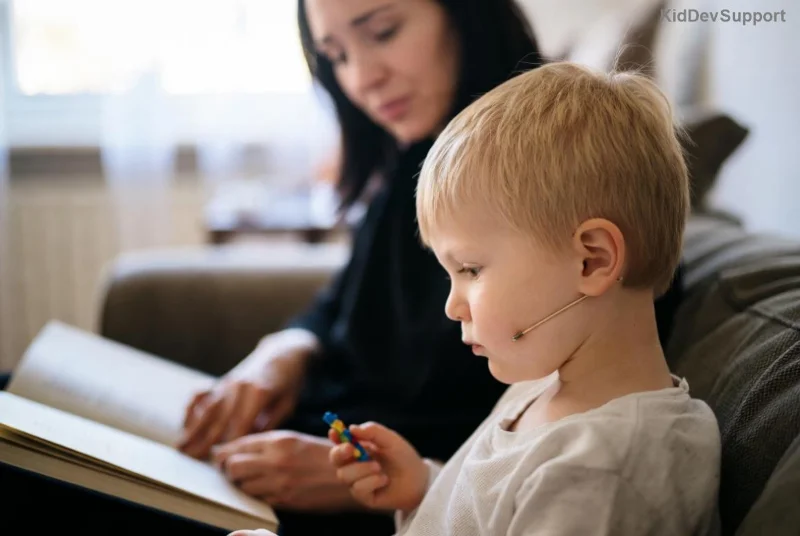
Is your child not babbling, pointing, or responding to their name? These could be early red flags for speech delay. As a parent, spotting these signs and knowing how early should you start speech therapy for delay can transform your child's communication skills. Early action isn't just recommended—it's game-changing. Let's dive into the essentials, backed by the latest guidelines from trusted sources like the American Speech-Language-Hearing Association (ASHA).

Understanding Speech Delay: What It Looks Like by Age
Speech delay occurs when a child doesn't meet typical language milestones. While every child develops at their own pace, consistent lags warrant attention. Here's a quick overview of key speech milestones:
| Age |
Expected Milestones |
Red Flags for Speech Delay |
| 6-12 months 👶 |
Babbling, imitating sounds, responding to name |
No babbling, no gestures like waving |
| 12-18 months |
1-3 words, points to objects |
No words, limited eye contact |
| 18-24 months |
50+ words, 2-word phrases |
Fewer than 50 words, no combining words |
| 2-3 years |
Clear sentences, follows 2-step directions |
Unintelligible speech, frustration in communicating |
If your child misses these, don't panic—but don't delay. The latest research emphasizes that early intervention before age 3 yields the best results. Why? The brain's plasticity peaks in these formative years, making therapy highly effective.
How Early Should You Start Speech Therapy for Delay? The Golden Window
The consensus from pediatric experts: start speech therapy as soon as a delay is suspected, ideally before 3 years old. The newest studies show children beginning speech therapy for delay by 18-24 months progress up to 70% faster than those starting later.
Key Timing Guidelines:
- Under 12 months: If no babbling or gestures, consult immediately.
- 12-18 months: No first words? Screen now.
- 18-36 months: Prime time for intervention—delays here respond dramatically to therapy.
- After 3 years: Still beneficial, but outcomes may take longer due to missed critical periods.
Early bird gets the words! Acting promptly prevents secondary issues like behavioral challenges from frustration. Curious about screening? Your pediatrician can refer you via tools like the Ages & Stages Questionnaire.
![Speech therapist working with toddler]()
Proven Benefits of Early Speech Therapy Intervention 🏆
Why rush into early speech therapy? The payoffs are monumental:
- Faster Progress: Kids starting early often catch up to peers within months.
- Better Long-Term Outcomes: Reduces risk of reading difficulties or social isolation.
- Holistic Gains: Improves cognition, social skills, and even potty training readiness.
- Cost-Effective: Short-term therapy now avoids lifelong support needs.
A recent meta-analysis confirms: early intervention speech therapy boosts vocabulary by 2-3 times compared to later starts. Imagine your child confidently chatting with friends— that's the power of timing.
But what if it's not just speech? Speech delays can link to hearing issues, autism, or oral-motor problems. A speech-language pathologist (SLP) assesses holistically.
What Does Speech Therapy for Delay Entail? A Parent's Guide
Speech therapy is play-based and fun—no drills here! Sessions (30-60 minutes, 1-3x/week) include:
- Modeling sounds and words 🗣️
- Games for articulation and vocabulary
- Parent coaching for home practice
- Tech tools like apps for reinforcement
Expect progress in 3-6 months with consistency. Pro tip: Involve siblings for natural practice— it accelerates gains!
For evidence-based info, check ASHA's speech disorders page or CDC milestones.
![Happy child after speech therapy success]()
Steps to Get Started with Speech Therapy for Toddlers
Ready to act? Follow this roadmap:
- Screen at Well-Child Visits: Ask your doctor for a referral.
- Free Evaluations: In many regions, Early Intervention programs (birth-3 years) are free. Search your local services.
- Choose Qualified SLPs: Look for ASHA certification (CCC-SLP) ✅.
- Track Home Progress: Use apps like Speech Blubs for daily boosts.
- Monitor & Adjust: Reassess every 3 months.
Common myth busted: Therapy isn't forever—many kids graduate by kindergarten. Worried about costs? Insurance often covers, and teletherapy expands access.
FAQ: Your Burning Questions on Speech Delay Therapy
Can speech delay resolve without therapy?
Late talkers sometimes catch up, but 50% don't. Early therapy ensures they do.
Is bilingualism causing the delay?
No—bilingual kids hit milestones similarly. Therapy adapts seamlessly.
What if we miss the early window?
Never too late! Progress happens at any age, just potentially slower.
In summary, how early should you start speech therapy for delay? The sooner, the better—ideally upon first suspicion. Your child's voice awaits. Contact a professional today and unlock their potential. Share your story in comments—what signs did you notice? Let's support each other! 💪