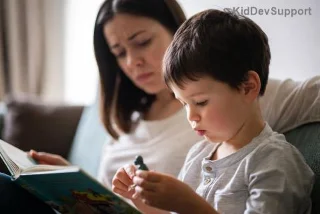
Every parent watches their toddler's first words with excitement. But what if your 2-year-old not talking at all, or barely saying a few sounds? It's a common concern that sparks worry. The good news? Most speech delays are fixable with early help. This guide breaks down toddler speech milestones, signs of speech delay in 2-year-olds, when to worry, and practical steps to support your child. Stick around to discover how to spot issues early and boost communication skills at home. 👶
What Are Normal Toddler Speech Milestones at Age 2?
By age 2, most children hit key language benchmarks based on the latest guidelines from trusted sources like the CDC and ASHA. Understanding these helps you gauge if your child is on track.
| Age 2 Milestone |
What's Normal |
Red Flag for Delay |
| Vocabulary |
50+ words, combining 2 words (e.g., "more milk") |
Fewer than 50 words or no 2-word phrases |
| Understanding |
Follows simple instructions like "pick up the toy" |
No response to simple directions or name |
| Sounds & Gestures |
Points to objects, uses gestures with words |
Limited babbling or no pointing |
| Social Use |
Copies you, names familiar things |
No imitation or interest in communication |
These milestones are averages—some kids talk early, others later. But persistent gaps signal potential speech delay 2 year old. Keep reading to learn the causes and next steps.
Top Signs Your 2-Year-Old Not Talking Is a Speech Delay
Not every quiet toddler has a delay, but these red flags mean it's time to pay attention:
- No words by 18 months, or fewer than 50 by 24 months.
- Can't point to body parts or pictures when named.
- Frustration from not being understood, leading to tantrums.
- Little eye contact or response to their name.
- Relies only on gestures, no attempt at words.
If your child babbles a lot but doesn't form words, or seems to understand everything but speaks little, that's another clue. Early spotting prevents bigger issues like learning delays later. Wondering why this happens? Let's dive into causes next.
Common Causes of Speech Delay in 2-Year-Olds
Speech delays stem from various factors. Identifying the root helps tailor solutions:
- Hearing Problems: Ear infections or fluid buildup block sounds. Up to 90% of kids with untreated hearing loss have speech delays.
- Oral-Motor Issues: Weak mouth muscles affect articulation.
- Autism Spectrum Disorder (ASD): Often pairs with delayed speech; look for social cues too.
- Bilingual Home: Temporary lag, but they catch up.
- Environmental Factors: Less talking time with adults or too much screen exposure.
The latest research emphasizes early screening. For accurate info, check CDC milestones or ASHA resources.
When to Worry: Is It Time for Professional Help?
Don't wait—act if your 2-year-old not talking matches multiple red flags. The "wait and see" approach can miss the window for best outcomes. Latest studies show kids starting therapy before 3 have 70-80% better results.
When to worry immediately:
- No single words by 16 months.
- No 2-word phrases by 24 months.
- Loss of previously learned words (regression).
- Combined with motor or social delays.
Most pediatricians screen at well-visits. If missed, request a full evaluation. Early intervention is free in many places and game-changing. Curious about what happens next? See how diagnosis works.
![Child speech therapy session]()
Diagnosis and Early Intervention for Speech Delay
Getting assessed is straightforward:
- Hearing Test: First step rules out auditory issues.
- Developmental Screening: Tools like M-CHAT for ASD.
- Speech-Language Pathologist (SLP) Evaluation: Experts assess expressive/receptive language.
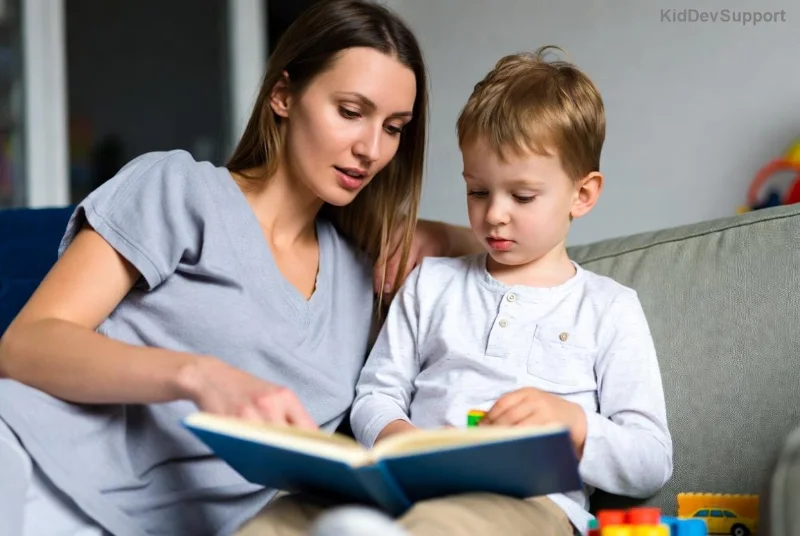
Interventions include play-based therapy, focusing on fun repetition. Programs like Hanen's "It Takes Two to Talk" empower parents. Success stories abound—many kids catch up fully by school age. 💪
7 Home Tips to Encourage Your Toddler's Speech
While awaiting help, try these evidence-based strategies:
| Tip |
How to Do It |
| Read Daily |
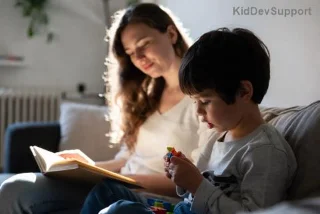
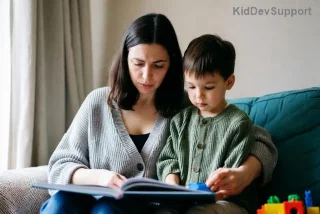
Point and name pictures; ask "What's this?" |
| Narrate Everything |
"I'm cutting apple. Yum!" |
| Reduce Screens |
Limit to <1 hour/day; interact instead. |
| Echo Back |
Child points: "Ball! You want ball?" |
| Sing Songs |
Rhymes build sounds and rhythm. |
| Play Turn-Taking |
Blow bubbles: "Your turn!" |
| Praise Efforts |
"Great try saying 'dog'!" |
Consistency is key. Track progress weekly to stay motivated.
Final Thoughts: Empower Your Child's Voice Today
A 2-year-old not talking doesn't have to be permanent. With awareness of speech delay signs, swift action, and home support, most toddlers thrive. Contact your doctor or local early intervention program now—delays caught early lead to brighter futures. Have questions? Share in comments below. Your child's first clear "I love you" could be closer than you think! 🌟