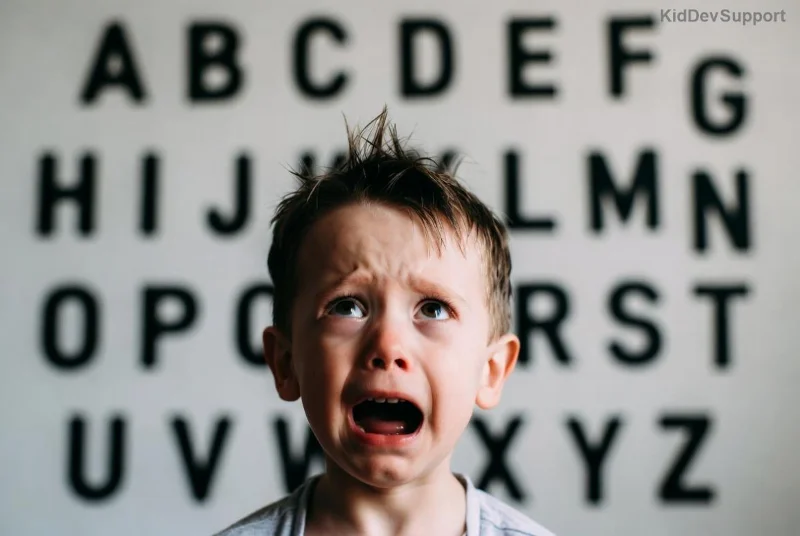
Every parent treasures those first words from their toddler. But what if your 2-year-old isn't chatting away like others? Speech delay in 2-year-olds affects up to 1 in 10 children and can signal deeper issues if ignored. Early detection changes everything—studies show kids who get help before age 3 catch up faster. Stick around to uncover signs of speech delay in 2-year-olds, pinpoint causes, and know exactly when to worry. You'll leave empowered to act.

What Are Normal Speech Delay in 2-Year-Olds Milestones?
By age 2, most toddlers hit key language benchmarks based on the latest guidelines from pediatric experts. Understanding these helps spot delays early.
| Age 2 Milestone |
Normal Development ✅ |
Speech Delay Red Flags ⚠️ |
| Vocabulary |
50+ words |
Fewer than 50 words |
| Sentences |
2-word phrases (e.g., "More milk") |
No 2-word combos |
| Understanding |
Follows simple instructions |
Ignores simple directions |
| Pronunciation |
Clear enough to be understood by family |
Mostly unintelligible |
This table from current pediatric standards highlights why tracking progress matters. If your child lags, read on for deeper insights.
Top Signs of Speech Delay in 2-Year-Olds Every Parent Should Spot
Spotting signs of speech delay in 2-year-olds early can prevent long-term struggles. Watch for these common indicators:
- Limited vocabulary: Fewer than 50 words by 24 months. They point or grunt instead of naming objects.
- No word combinations: Can't string two words together, like "big dog."
- Poor comprehension: Doesn't respond to "Where's your shoe?" or simple questions.
- Frustration outbursts: Tantrums from inability to communicate needs.
- Loss of skills: Stops using words they once knew—a serious warning sign.
- Babbling persists: Still relies heavily on jargon without real words.
These aren't just "late bloomers." Recent data shows 40-50% of delayed toddlers have underlying issues. Keep reading to explore why this happens.
Common Causes of Speech Delay in 2-Year-Olds
Speech delay in 2-year-olds stems from various factors. Identifying the root boosts intervention success. Here's a breakdown:
1. Hearing Problems
Frequent ear infections or fluid buildup block sound input. Up to 30% of cases link to hearing loss. Get a screening—it's quick and vital.
2. Bilingual or Multilingual Homes
Kids in these environments may mix languages, seeming delayed. But true bilinguals usually catch up by 3. Monitor progress closely.
3. Developmental Disorders
Autism spectrum disorder (ASD) or global developmental delays often include speech lags. Latest screening tools catch 80% early.
4. Oral-Motor Issues
Weak mouth muscles from conditions like cerebral palsy hinder articulation.
5. Environmental Factors
Limited talking, screen overload, or lack of interaction slows growth. The "30-million word gap" study underscores parent-child talk's power.
![Causes of speech delay in toddlers illustration]()
Genetic predispositions or premature birth also play roles. Wondering if it's serious? Next section covers that.
When to Worry About Speech Delay in 2-Year-Olds
Not every quiet toddler needs alarm bells, but certain triggers demand action:
- ⚠️ No 50 words by 24 months—consult a doctor immediately.
- ⚠️ No 2-word sentences—high risk for ongoing issues.
- ⚠️ Regression: Losing words signals neurological concerns.
- ⚠️ Combined delays: Speech plus motor/social lags point to ASD.
Per the latest American Academy of Pediatrics guidelines, screen at every well-visit. Early intervention programs yield 70% improvement rates. Don't wait—CDC milestones confirm: Act by age 2 for best outcomes.
How to Help Your 2-Year-Old with Speech Delay: Proven Steps
Armed with knowledge, take charge:
- See a specialist: Pediatrician → audiologist → speech-language pathologist (SLP).
- Speech therapy: Play-based sessions build skills fast. Apps like latest interactive tools aid home practice.
- Boost home talk: Narrate daily ("Look, red ball!"), read books, sing songs.
- Limit screens: Under 1 hour/day max, per current WHO recs.
- Encourage gestures: Sign language bridges gaps temporarily.
Success stories abound: One mom shared her son's vocabulary exploded from 20 to 200 words post-therapy. Your turn?
Prevention Tips for Healthy Speech Development
Proactive steps reduce risks:
- Daily reading—expands vocab 1.4 million words by kindergarten.
- Responsive talking—mirror their sounds.
- Ear infection prevention—vaccines, swim earplugs.
- Balanced bilingual exposure if applicable.
Track with free apps or journals. Consistent effort pays off big.
Final Thoughts: Don't Delay—Your Child's Voice Matters
Speech delay in 2-year-olds isn't destiny. Spot signs, understand causes, and act when needed for a brighter future. Consult your pediatrician today—early help turns worry into words. Share your story below; you're not alone on this journey to confident chatter.
Disclaimer: This info draws from latest expert consensus like ASHA and CDC. Not medical advice—seek professional evaluation.