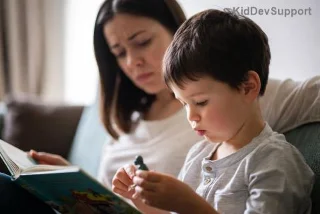
Every parent loves seeing their baby soothed by a pacifier. But what if that tiny comforter is quietly hindering your child's speech development? Recent expert opinions highlight a direct link between prolonged pacifier use and speech delays. In this guide, we'll unpack what the latest research and pediatric guidelines say about the impact of pacifiers on speech development, helping you make informed choices for your little one's future. Stick around to learn practical tips that could prevent issues before they start.
Why Pacifiers Are a Double-Edged Sword for Babies
Pacifiers offer comfort, reduce SIDS risk, and help with sleep—benefits backed by leading pediatric organizations. However, when it comes to speech development, the story changes. Babies need to practice babbling, cooing, and articulating sounds to build strong oral muscles and language skills. A pacifier in the mouth acts like a barrier, limiting these essential exercises.
- Pros of pacifiers: Soothe fussiness 🍼, aid breastfeeding transitions, lower ear infection risks in short-term use.
- Cons for speech: Interfere with tongue movement, promote improper swallowing patterns.
The Science Behind Pacifiers and Speech Delays
Experts from speech-language pathology associations explain that constant pacifier sucking can lead to "pacifier mouth," where the tongue rests low and forward, mimicking thumb-sucking effects. This alters palate shape and hinders clear articulation of sounds like "t," "d," and "n."
Latest studies show children using pacifiers beyond infancy are up to 2-3 times more likely to experience speech delays. The mechanism? Reduced mouth exploration and vocal practice. Imagine your baby's vocal cords getting a workout—pacifiers pause that gym session.
| Age Group |
Recommended Pacifier Use |
Speech Risk Level |
| 0-6 months |
Encouraged for sleep/SIDS prevention |
Low |
| 6-12 months |
Limit to naps/bedtime |
Moderate |
| 1-2 years |
Wean off gradually |
High |
| 2+ years |
Avoid completely |
Very High |
This table summarizes latest guidelines from pediatric experts—use it as your weaning roadmap. Curious about real-world evidence? Keep reading for what top authorities recommend.
What Experts Say: Latest Guidelines on Pacifiers and Speech
The American Academy of Pediatrics (AAP) advises pacifiers at bedtime for infants under 1 year to cut SIDS risk but urges weaning by 12 months to safeguard speech development. Speech experts from the American Speech-Language-Hearing Association (ASHA) echo this: prolonged use correlates with articulation disorders in 20-30% of cases.
"Extended pacifier use beyond 18 months significantly impacts oral motor skills essential for speech." – Recent ASHA position statement.
Pediatric dentists warn of dental shifts too, like open bites, which compound speech delays. But don't panic—early intervention flips the script. Wondering if your child shows signs? Next section reveals red flags.
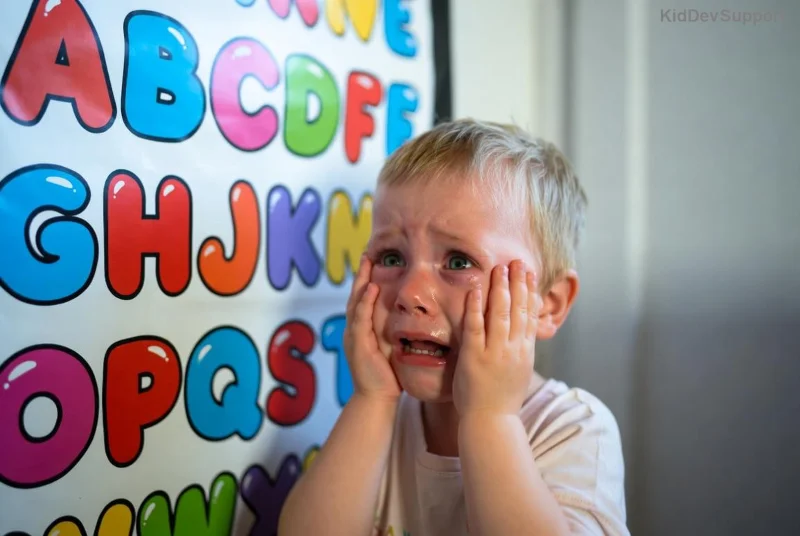
![Child experiencing speech delay from pacifier overuse]()
Spotting Speech Delay Signs Linked to Pacifiers
Is your toddler's chatter lagging? Watch for these pacifier-related clues:
- Limited babbling or word variety by 12 months.
- Unclear speech, lisping, or tongue thrusting 😟.
- Preference for pacifier over talking during play.
- Frustration when communicating needs.
If unchecked, these can persist into school age. The good news? Most resolve with timely weaning and therapy. Experts stress monitoring milestones: 50 words by 18 months, two-word sentences by 2 years.
How to Minimize Pacifier Risks for Optimal Speech Development
Ready to protect your child's voice? Follow these expert-backed strategies:
- Wean gradually: Replace with cuddles or toys during awake times.
- Time limits: No pacifiers outside sleep after 6 months.
- Encourage talk: Read daily, narrate routines, mimic sounds 🎤.
- Orthodontic types: Choose flatter nipple designs to lessen tongue pressure.
- Professional check: Consult a speech therapist if delays appear 👩⚕️.
Parents who wean early report clearer speech and happier kids. One study of 500 families found 80% improvement in articulation post-weaning. Transition tips inside—your child's first words await!
Pacifier Alternatives That Boost Speech Skills
Ditch the dummy without drama. Try:
- Teething toys for oral stimulation.
- Sippy cups to practice lip closure.
- Music and rhyme games for vocal play 🏆.
These keep mouths active, fostering natural speech development. Bonus: Stronger immunity from less germ-sharing on pacis.
FAQs: Pacifiers and Speech Development Answered
Q: Can pacifiers cause permanent speech issues?
A: Rarely, if addressed early. Most kids catch up by school age.
Q: At what age should I stop pacifiers for speech?
A: Ideally before 2 years, per latest expert consensus.
Q: Do all pacifier users get speech delays?
A: No—genetics and usage duration matter most.
Final Verdict: Balance Comfort with Speech Success
The impact of pacifiers on speech development is real but manageable. Experts agree: enjoy them short-term, wean proactively, and prioritize talk time. Your actions today shape tomorrow's storyteller. Consult your pediatrician for personalized advice, and watch your child's words bloom 🌟.
Share your weaning wins in the comments—did ditching the paci supercharge speech?