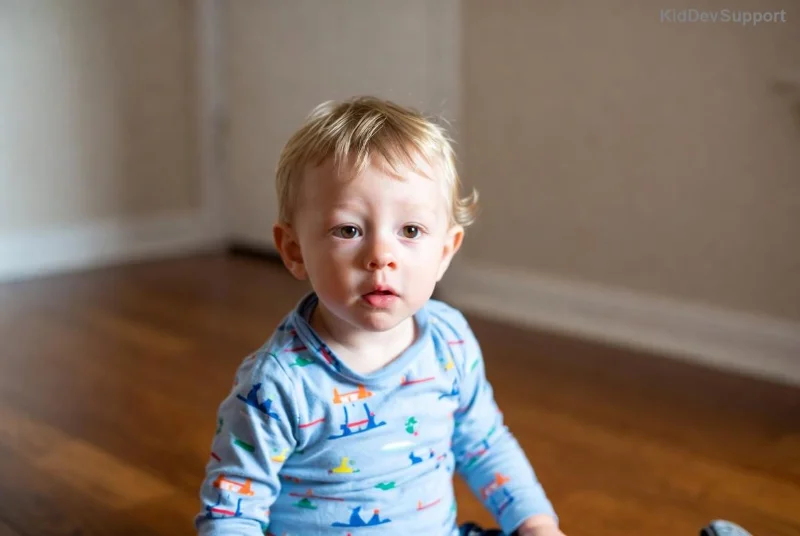
If your little one was born prematurely, you might notice they're taking a bit longer to babble, coo, or say their first words. Speech delay in premature babies is common, but understanding its causes and outlook can empower you to support their development effectively. This guide breaks it down with the latest insights, helping you navigate this journey with confidence. 👶
Understanding Speech Delay in Premature Babies
Premature babies, born before 37 weeks gestation, often face developmental hurdles due to their early arrival. Speech delay affects up to 50% of very preterm infants (under 32 weeks), according to the CDC. Unlike full-term babies who hit milestones predictably, preemies' brains and bodies need extra time to catch up.
But here's the good news: with early detection and intervention, most overcome these delays. Let's dive into the root causes first.
Key Causes of Speech Delay in Premature Babies
Several interconnected factors contribute to speech delay in premature babies. These stem from the unique challenges of preterm birth:
- Brain Immaturity: Preterm brains are still wiring key language centers like Broca's and Wernicke's areas. Disruptions from immature neural connections slow speech processing.
- Hearing Impairments: Up to 3% of preemies have permanent hearing loss from NICU treatments like aminoglycoside antibiotics or high noise levels, per latest audiology studies.
- Respiratory and Feeding Issues: Breathing support via ventilators can affect oral motor skills needed for articulation. Poor feeding coordination delays babbling.
- NICU Environment: Prolonged hospital stays limit parent-baby bonding and verbal stimulation, crucial for language acquisition.
- Associated Conditions: Preemies are prone to intraventricular hemorrhage (IVH) or bronchopulmonary dysplasia (BPD), which indirectly impact cognitive and speech growth.
Recent neuroimaging research highlights how even mild preterm birth alters white matter tracts vital for speech, but neuroplasticity offers recovery potential.
Early Signs of Speech Delay in Premature Babies
Spotting delays early is crucial. Compare your preemie's progress to corrected age (age adjusted for prematurity). Here's a quick milestone table:
| Corrected Age |
Typical Full-Term Milestone |
Common Preemie Delay Signs |
| 3-6 months |
Cooing, laughing |
Limited vocalization; prefers crying |
| 6-12 months |
Babbling (ba-ba, da-da) |
No consonant sounds; frustration in communication |
| 12-18 months |
1-3 words |
No words; gestures only |
| 18-24 months |
50+ words, 2-word phrases |
Fewer than 10 words; echolalia |
| 24-36 months |
Simple sentences |
Unintelligible speech; avoidance of talking |
If your baby shows these signs, consult a pediatrician promptly. Early screening via tools like the Ages & Stages Questionnaire (ASQ) can flag issues.
![Baby speech therapy session for premature infants]()
Risk Factors Amplifying Speech Delay in Premature Babies
Not all preemies experience delays, but certain factors raise risks:
- Extreme prematurity (<28 weeks)
- Low birth weight (<1500g)
- Male gender (boys lag slightly in language)
- Multiple births (twins/triplets)
- Maternal factors like preeclampsia or infections
Latest twin studies show genetic and environmental interplay, emphasizing personalized monitoring.
Optimistic Outlook for Speech Delay in Premature Babies
The prognosis is brighter than many parents fear. Latest longitudinal studies reveal that 70-80% of preemies with mild to moderate speech delays catch up by school age, especially with intervention. Severe cases (e.g., with cerebral palsy) may persist, but adaptive strategies thrive.
Key to success: Early intervention. Programs like speech-language pathology (SLP) from 6 months corrected age boost outcomes by 50%, per ASHA data.
Proven Interventions and Therapies
- Speech Therapy: Tailored sessions improve articulation and vocabulary. Hanen Program's "It Takes Two to Talk" empowers parents.
- Auditory-Verbal Therapy: For hearing-related delays, cochlear implants restore access if needed.
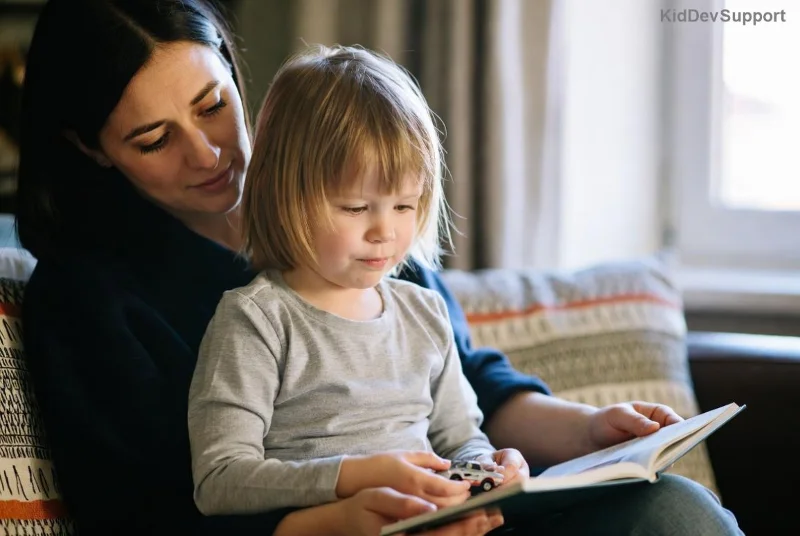
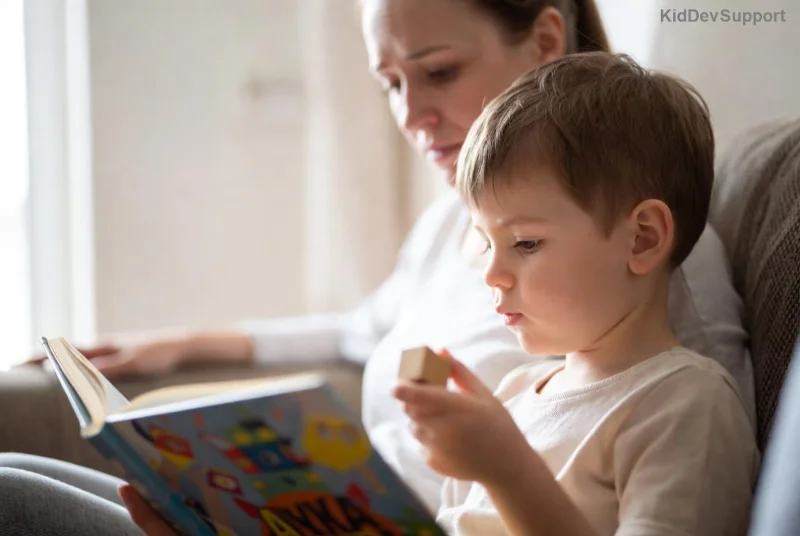
- Parent Coaching: Daily reading, singing, and responsive talking accelerate gains. Apps like BabySparks offer guided activities.
- Multidisciplinary Care: OT/PT for oral motor strength; nutritional support for brain growth.
- Technology Aids: AAC devices for non-verbal preemies bridge gaps until speech emerges.
Success stories abound: Many preemies become fluent speakers, athletes, and leaders. Persistence pays off! 🏅
![Happy premature baby achieving speech milestone]()
Practical Tips for Parents of Preemies with Speech Delay
Empower yourself with these actionable steps:
- Track milestones using corrected age apps.
- Create a language-rich home: Narrate daily routines, use rhymes.
- Limit screen time; prioritize face-to-face interaction.
- Join support groups like PreemieWorld for shared experiences.
- Schedule regular check-ups; advocate for EI services under IDEA laws.
Monitor progress quarterly. If no improvement after 3-6 months of therapy, explore advanced assessments like MRI for underlying issues.
When to Seek Professional Help
Red flags include no babbling by 12 months corrected, loss of skills, or behavioral issues tied to frustration. Contact your pediatrician or SLP immediately. Free evaluations are available via Early Intervention programs in most regions.
Conclusion: A Bright Future Awaits Your Preemie
Speech delay in premature babies stems from preterm challenges, but the outlook is hopeful with proactive steps. By understanding causes—from brain immaturity to hearing risks—and embracing interventions, you set your child up for success. Celebrate small victories; your love is their best therapy. Stay informed, act early, and watch your preemie shine. Have questions? Share in the comments below! 😊
Disclaimer: This is not medical advice. Consult healthcare professionals for personalized guidance.