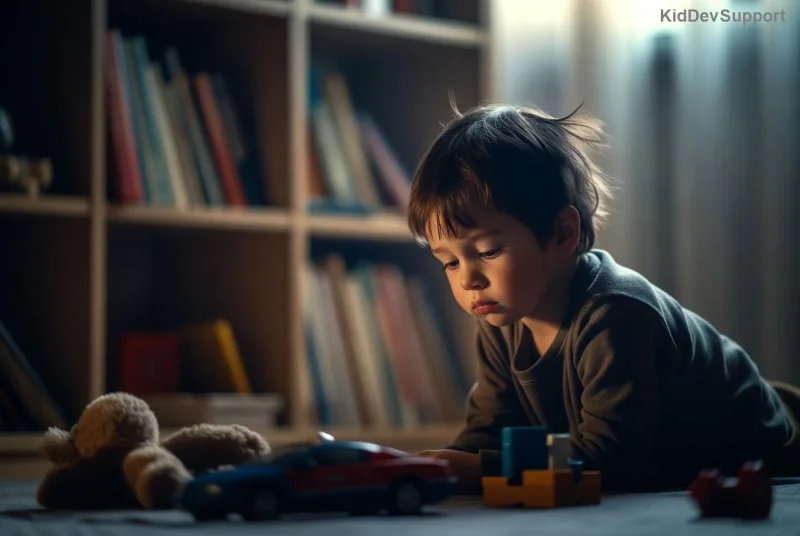
Is your toddler not chatting as much as their peers? You're not alone. Many parents wonder about the difference between a speech delay and a late talker. While both involve slower speech progress, understanding speech delay vs late talker can make all the difference in supporting your child's development. This guide dives deep into the facts, backed by the latest expert insights, to help you spot the signs, know when to act, and empower your little one's voice. Keep reading to unlock clarity and peace of mind. 🚀
What is a Late Talker?
A late talker is a child who is slower to start speaking but typically catches up without intervention. These kids often hit other milestones on time, like walking, playing, and understanding language. According to the latest research from speech-language pathology experts, about 13-15% of toddlers are late talkers, and most outgrow it by school age.
Key traits of a late talker:
- Understands words and instructions well (good receptive language).
- Babbles, gestures, and communicates non-verbally effectively.
- No other developmental concerns, like hearing issues or autism spectrum traits.
- Vocabulary explodes around age 3, catching up to peers.
Late talkers thrive with simple encouragement at home, like reading books and narrating daily activities. But how do they differ from a true speech delay? Let's explore next.

What is Speech Delay?
A speech delay goes beyond just late words—it's a significant lag in expressive or receptive language that doesn't resolve on its own. This condition affects how a child produces sounds, forms words, or comprehends speech. The latest guidelines from leading health organizations highlight that speech delay impacts up to 10% of children and often links to underlying issues like hearing loss, oral-motor problems, or neurodevelopmental disorders.
Unlike late talkers, children with speech delay may struggle across multiple areas:
- Limited babbling or sound imitation by 12 months.
- Fewer than 50 words by 24 months.
- Difficulty combining words into phrases by 3 years.
- Challenges understanding simple instructions.
Early identification is crucial. Wondering if your child fits here? The comparison table ahead will clarify speech delay vs late talker.
Speech Delay vs Late Talker: Key Differences at a Glance
To make speech delay vs late talker crystal clear, here's a breakdown based on the most current developmental benchmarks:
| Aspect |
Late Talker ✅ |
Speech Delay ⚠️ |
| Expressive Language (Speaking) |
Slow start, but catches up |
Persistent lag, needs therapy |
| Receptive Language (Understanding) |
Strong and age-appropriate |
Often delayed too |
| Other Milestones |
On track (motor, social) |
May have broader delays |
| Family History |
Common in family |
May indicate medical cause |
| Outcome Without Help |
Usually resolves naturally |
Risk of long-term issues |
This table highlights why distinguishing speech delay vs late talker matters. If your child matches the speech delay column, professional evaluation is key. Stay with us for red flags.
![Child with speech delay in therapy session]()
Signs It's More Than a Late Talker: Red Flags for Speech Delay
Spotting speech delay early can change everything. Watch for these warning signs from the newest pediatric screening tools:
- No babbling by 12 months or single words by 16 months.
- Limited gestures like pointing or waving bye-bye.
- No two-word phrases by 24 months.
- Frustration or behavior issues from communication struggles.
- Loss of previously gained words (regression).
If these persist, it might not be just a late talker. Factors like bilingual homes or ear infections can mimic delays, but consistent lags signal more. Curious about causes? Latest studies point to genetics, prematurity, or environmental factors.
When to Seek Help: Don't Wait on Speech Delay vs Late Talker
Act now if your child shows speech delay signs—early intervention boosts outcomes by 70%, per recent meta-analyses. Consult a pediatrician or speech-language pathologist (SLP). Free screenings are available via programs like those from the American Speech-Language-Hearing Association (ASHA) 🩺.
For late talkers, monitor progress. Use apps tracking milestones or home strategies like expanded language modeling: If they say "ball," respond with "Yes, the red ball is rolling!"
![Happy family supporting child speech development]()
Proven Strategies to Boost Speech: For Late Talkers and Beyond
Whether late talker or speech delay, these evidence-based tips from the CDC's latest milestones work wonders:
- Read daily: Point to pictures and ask "What's this?"
- Narrate everything: "You're putting on your blue socks."
- Limit screens: Opt for interactive play over passive TV.
- Sing and rhyme: Builds phonemic awareness.
- Encourage imitation: Model sounds without pressure.
For speech delay, therapies like Hanen Program or PROMPT show remarkable results. Track progress monthly—what works for one child might evolve for yours.
Final Thoughts: Empower Your Child's Voice Today
Navigating speech delay vs late talker doesn't have to be overwhelming. Most late talkers shine on their timeline, while speech delays benefit hugely from swift support. Trust your instincts, consult pros, and celebrate every coo and word. Your child’s future fluency starts with informed action. Share your story in the comments—have you seen the difference? For personalized advice, reach out to an SLP today. You've got this! 🌟