Every parent wonders: What should an 18-month-old be saying? At this exciting stage, toddlers transition from babbling to meaningful words, building the foundation for communication. Understanding speech milestones helps you track progress, spot potential delays early, and foster your child's language skills. This guide dives into the latest benchmarks from trusted health authorities, offering clear expectations, red flags, and actionable tips to keep your little one chatting happily.
What Are the Key Speech Milestones for an 18-Month-Old?
By 18 months, most toddlers have a vocabulary of 10 to 20 words, using them to express needs, point to objects, and engage with you. These speech milestones aren't just about word count—they reflect comprehension, gestures, and social interaction. According to the newest guidelines from pediatric experts, here's what to expect:
| Milestone |
Examples |
Why It Matters |
| Says 10-20 single words |
"Mama," "Dada," "ball," "dog," "more," "up," "no" |
Shows growing vocabulary and ability to name familiar things. |
| Points to at least one body part |
Points to "nose" or "eyes" when asked. |
Combines words with gestures for better understanding. |
| Uses simple gestures like shaking head "no" |
Waves bye-bye, blows kisses. |
Enhances non-verbal communication alongside words. |
| Follows simple one-step directions |
"Give me the ball" or "Sit down." |
Indicates receptive language skills are developing. |
| Points to show what they want |
Points at a toy or food item. |
Bridges the gap to more complex sentences later. |
Keep reading to learn how these speech milestones vary and what to do if your 18-month-old isn't hitting them yet.
Signs of Speech Delay in 18-Month-Olds: When to Worry
Not every child develops at the exact same pace, but persistent gaps can signal a speech delay. Watch for these red flags around 18 months:
- Doesn't say any words or only babbles without clear meaning.
- Doesn't point to objects or pictures when named.
- Struggles to follow simple directions like "wave bye-bye."
- Loses previously learned words (regression).
- Prefers gestures over attempting words.
If you notice these, don't panic—early intervention works wonders. For the latest data, check resources like the CDC's developmental milestones or the American Speech-Language-Hearing Association (ASHA). These sites confirm that about 1 in 6 children experience delays, often resolved with simple strategies.
![Toddler with speech delay receiving help from speech therapist]()
How to Encourage Toddler Speech Development at 18 Months
Boosting your child's words starts at home. Here are evidence-based tips to spark speech milestones:
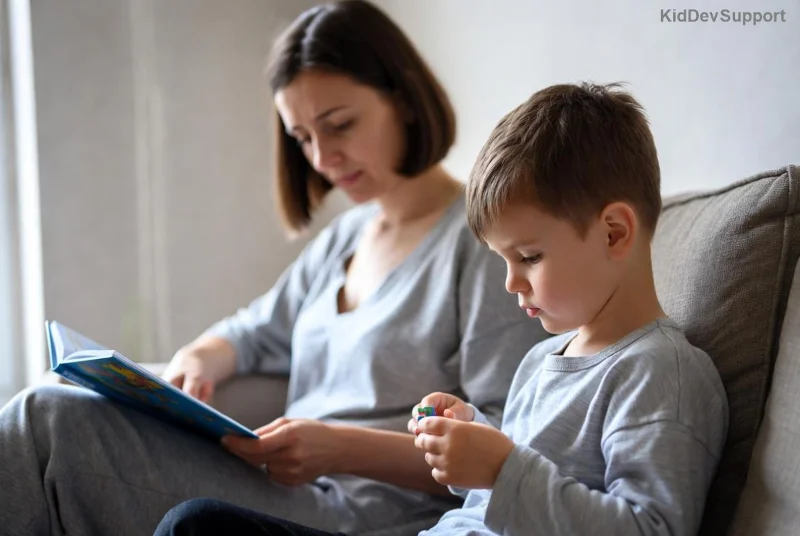
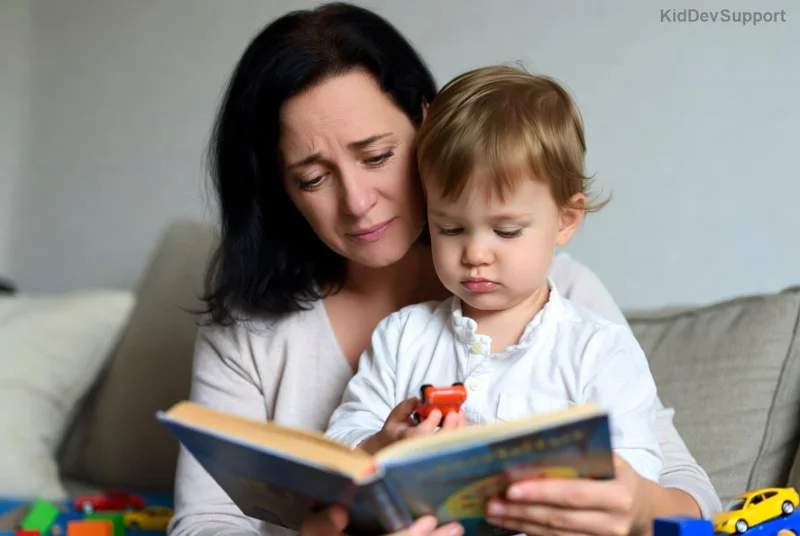
- Read daily: Point to pictures and name them. Books like board books with animals build vocabulary fast.
- Narrate everything: "Look, the dog is running!" Repetition reinforces words.
- Respond and expand: If they say "ball," reply "Yes, big red ball!" This models longer phrases.
- Sing songs and rhymes: "Wheels on the Bus" helps with rhythm and sounds.
- Limit screens: The latest pediatric guidelines recommend under 1 hour daily for focused interaction.
- Play turn-taking games: Rolling a ball back and forth encourages "your turn" phrases.
Curious about activities tailored to your toddler? The next section shares a simple daily routine that parents swear by for unlocking chatter.
A Simple Daily Routine to Hit Speech Milestones
Structure your day around language-rich moments:
| Time of Day |
Activity |
Speech Boost |
| Morning |
Breakfast chat |
Name foods: "Yummy banana!" |
| Midday |
Reading time |
Ask "Where's the dog?" |
| Afternoon |
Park play |
Label actions: "Slide down!" |
| Evening |
Bath songs |
Rubber ducky rhymes. |
Consistency is key—many parents report new words emerging within weeks.
When to Consult a Professional for 18-Month-Old Speech
Schedule a check-up if delays persist beyond a few months or combine with other concerns like hearing issues or limited eye contact. Pediatricians screen at well-visits, and early therapy (like speech-language pathology) can close gaps before age 2. Success stories abound: 80% of children with early intervention catch up fully, per recent studies.
FAQs: Speech Milestones for 18-Month-Olds
Q: My 18-month-old says fewer than 10 words. Is that normal?
A: It can be, but monitor closely. Bilingual homes may show slightly slower single-word growth.
Q: Does screen time affect speech?
A: Yes—prioritize face-to-face talk over devices for best results.
Q: What if my toddler babbles a lot but no real words?
A: Babbling is great, but real words should emerge. Encourage imitation.
Final Thoughts: Celebrate Every Word!
Tracking speech milestones empowers you to support your 18-month-old's unique journey. From first "mama" to pointing adventures, these moments build lifelong skills. If your toddler's thriving, high-five! If not, act early for the win. Share your stories below—what's your little one's favorite word? Stay tuned for our guide on 2-year-old milestones.