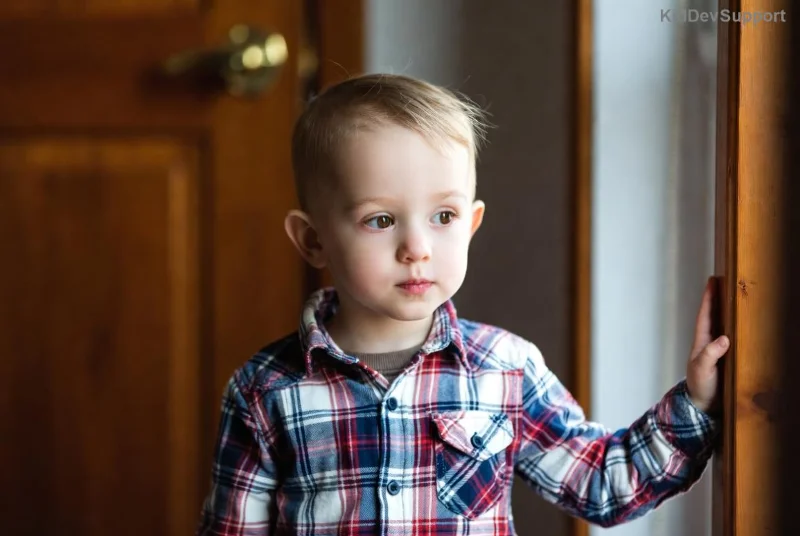
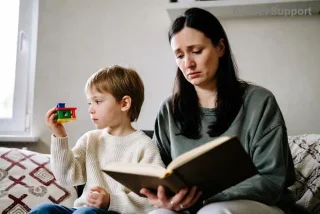
Imagine a child who chats endlessly at home but freezes into silence at school. This isn't shyness—it's selective mutism, a condition often rooted in deep-seated trauma. Understanding the link between trauma and selective mutism can unlock pathways to healing. In this guide, we'll break down the science, signs, and solutions, empowering parents, educators, and caregivers to support those affected.
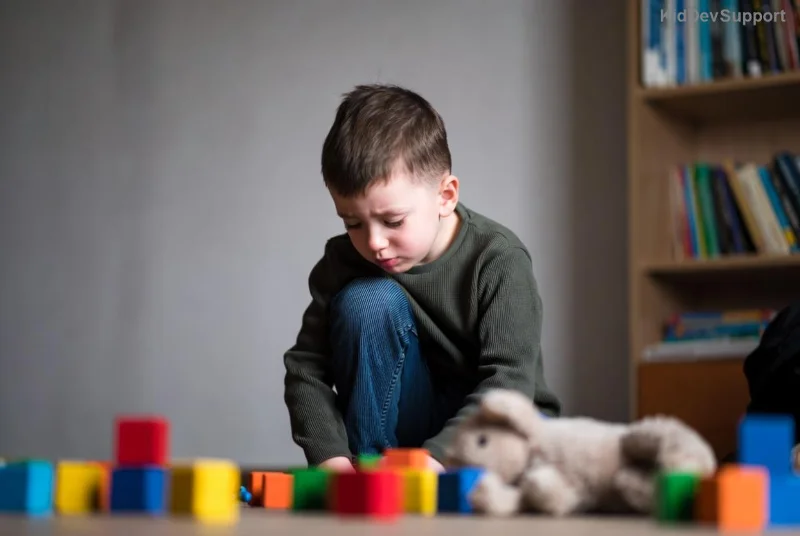
What is Selective Mutism? A Quick Overview
Selective mutism is an anxiety-based disorder where individuals—most commonly children—cannot speak in specific social situations despite possessing normal language skills. They might thrive in familiar environments but "shut down" in school, public places, or with strangers.
- Typically emerges between ages 3-6 ⚕️
- Affects about 1 in 140 children
- Often mistaken for mere introversion
But what turns a chatty toddler silent? The answer frequently lies in trauma.
Defining Trauma: The Silent Catalyst
Trauma refers to overwhelming experiences that disrupt a person's sense of safety. It can stem from:
- Abuse (physical, emotional, or sexual)
- Family conflict or divorce
- Bullying or social rejection
- Loss of a loved one
- Major life changes like relocation
In children, whose brains are still developing, trauma activates the fight-flight-freeze response. Freezing manifests as selective mutism, a protective mechanism to avoid further harm.
The Profound Connection: How Trauma Fuels Selective Mutism
Recent insights reveal that up to 70% of children with selective mutism have experienced some form of trauma. Here's the neurological link:
- Amygdala Hijack: Trauma hypersensitizes the brain's fear center, triggering intense anxiety in triggering environments.
- Fight-or-Flight Overload: Speech requires higher brain functions that shut down under stress, leading to mutism.
- Learned Helplessness: Repeated trauma teaches the child that silence equals safety.
Curious how this plays out daily? A child bullied at school (trauma) may refuse to speak there, preserving energy for home where they feel secure. Breaking this cycle starts with recognition.
Key Symptoms of Trauma-Induced Selective Mutism
Spotting the signs early is crucial. Look for:
| Symptom |
Trauma Connection |
| Silence in select settings |
Avoidance of trauma-linked triggers like crowds |
| Extreme shyness or clinginess |
Heightened fear response from past events |
| Physical tension (frozen posture, upset stomach) |
Body's freeze reaction to perceived danger |
| Normal speech in safe zones |
Contrast highlights situational anxiety |
![Therapy session addressing selective mutism]()
These aren't just "phases"—they signal deeper trauma and selective mutism interplay.
Diagnosis: Confirming the Trauma-Selective Mutism Link
Diagnosis involves:
- Clinical interviews with child, parents, and teachers
- Observing behavior across settings
- Ruling out hearing issues or autism
- Assessing trauma history via validated tools
Professionals use DSM criteria, emphasizing persistence beyond one month. Early diagnosis prevents escalation.
National Institute of Mental Health (NIMH) resources confirm selective mutism as an anxiety disorder with trauma as a key risk factor.
Effective Treatments: Breaking the Silence
The good news? Selective mutism is highly treatable, especially when addressing underlying trauma. Success rates exceed 80% with tailored interventions.
| Treatment |
How It Helps |
Evidence |
| Cognitive Behavioral Therapy (CBT) ⚕️ |
Challenges anxious thoughts, builds exposure gradually |
Gold standard; newest studies show 90% improvement |
| Trauma-Focused CBT |
Processes trauma memories safely |
Targets root cause effectively |
| Play Therapy |
Non-verbal expression for young kids |
Engaging for trauma survivors |
| Medication (SSRIs) |
Reduces anxiety baseline |
Adjunct to therapy; monitored use |
Family involvement amplifies results. Schools can implement "sliding in" techniques—starting with whispers, building to full speech.
Latest Insights: What's New in Trauma and Selective Mutism Research?
Cutting-edge studies highlight neuroplasticity: Children's brains can rewire post-trauma with timely intervention. Genetic factors may predispose some, but environment (like trauma) flips the switch. Ongoing trials explore VR exposure therapy for safe desensitization.
American Psychological Association (APA) emphasizes integrated care.
How You Can Help: Practical Steps Today
Don't wait for perfection—start small:
- Create predictable routines to reduce anxiety 😊
- Model calm communication
- Avoid forcing speech; praise non-verbal efforts
- Seek specialists via selective mutism networks
- Monitor for escalating trauma signs like nightmares
One parent shared: "After trauma-focused therapy, my daughter spoke her first school sentence. It's possible!"
Conclusion: Restore the Voice Stolen by Trauma
The bond between trauma and selective mutism is powerful, but not unbreakable. With awareness, diagnosis, and evidence-based treatments, silenced voices can sing again. If you suspect this in a loved one, consult a professional today. Share your story below—what's one step you'll take? Your action could change a life.
Stay informed: Bookmark this for ongoing support on overcoming trauma-induced selective mutism. 💪