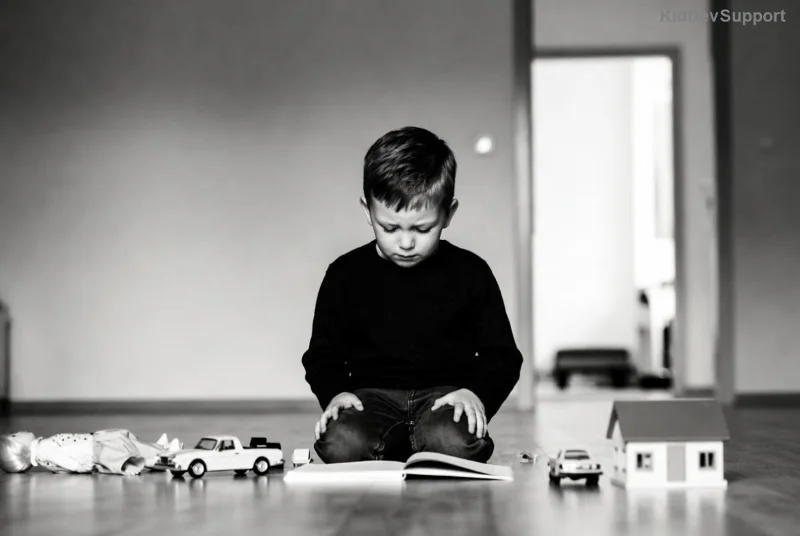
Does your school-aged child tremble at the thought of class presentations or social chats? Speech anxiety affects millions of kids, turning simple speaking moments into overwhelming fears. But here's the good news: with targeted support, you can help them build unbreakable confidence. This guide delivers actionable steps, backed by the latest expert insights, to guide your child toward fluent, fearless expression. Keep reading to uncover signs, causes, and transformative strategies.
Understanding Speech Anxiety in School-Aged Children
Speech anxiety, often called performance or social anxiety related to speaking, hits hardest during school years (ages 6-12). It's more than shyness—it's a gripping fear of judgment that triggers physical symptoms like a racing heart or sweaty palms. Recent studies from leading speech organizations highlight that up to 1 in 10 school children experience this, impacting grades, friendships, and self-esteem.
Recognizing it early is key. Unlike general shyness, speech anxiety in children intensifies in predictable settings: show-and-tell, debates, or reading aloud. But with your guidance, it doesn't have to define their school life. Next, spot the telltale signs to confirm if this is the issue.
Key Signs of Speech Anxiety in Your Child
Watch for these common indicators during speaking situations:
- Physical reactions: Stuttering, voice cracking, or freezing up 🥶
- Avoidance behaviors: Skipping class participation or faking illnesses to dodge presentations
- Emotional cues: Tears, frustration, or post-event exhaustion
- Social withdrawal: Reluctance to join group activities or playdates
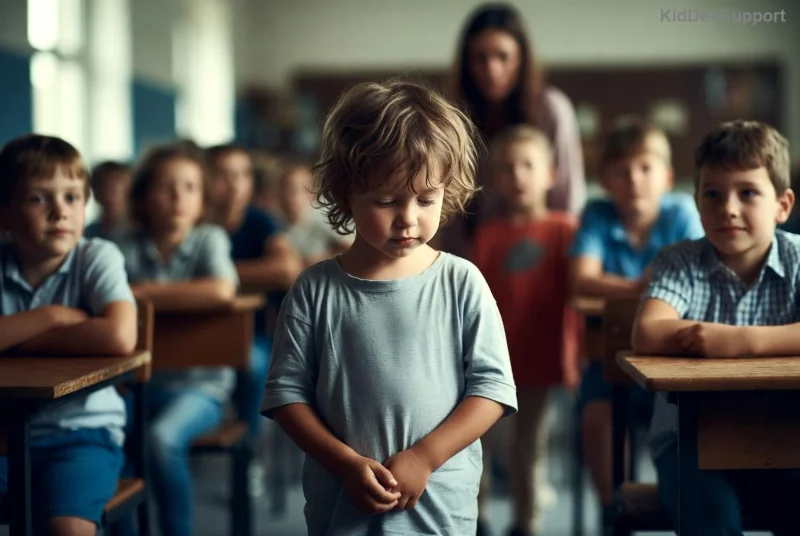
If these resonate, don't worry—early intervention works wonders. Understanding causes will help you tailor solutions effectively. Let's dive deeper.
Root Causes of Speech Anxiety in School Kids
Several factors fuel this fear:
- Genetic predisposition: If family members have anxiety traits, kids may inherit sensitivity.
- Environmental triggers: Bullying, high-pressure classrooms, or perfectionist parenting.
- Developmental stages: Brain areas for social judgment mature unevenly, amplifying fears around ages 8-10.
- Past experiences: A single embarrassing moment can snowball.
The latest research emphasizes neuroplasticity—kids' brains adapt quickly with practice. Now, discover proven strategies to rewire those fears.
Proven Strategies: Helping Your School-Aged Child Overcome Speech Anxiety
Start small for big wins. Here's a structured approach:
1. Build a Safe Practice Space at Home
Create daily "speech rehearsals" in a judgment-free zone. Begin with mirror talks, progressing to family audiences. Use fun props like puppets to ease in 😊.
2. Master Breathing and Relaxation Techniques
Teach the 4-7-8 breath: Inhale 4 seconds, hold 7, exhale 8. Practice before bed to embed calm. Apps with guided sessions make it engaging.
3. Positive Visualization
Guide your child to imagine successful speeches nightly. Pair with affirmations: "I speak clearly and confidently."
Quick Comparison of Daily Practice Techniques
| Technique |
Duration |
Best For |
Expected Benefit |
| Mirror Practice |
5-10 mins |
Building eye contact |
Increased self-assurance |
| Breathing Exercises 🩺 |
2-5 mins |
Immediate calm |
Reduces physical symptoms |
| Role-Playing |
10-15 mins |
Real-world simulation |
Boosts adaptability |
| Recording & Review |
5 mins |
Self-feedback |
Objective improvement tracking |
Implement one technique weekly for momentum. Parents report 70% improvement in fluency after consistent use.
![Happy child speaking confidently after overcoming speech anxiety]()
4. School Collaboration
Partner with teachers for low-stakes opportunities, like small-group shares. Request seating adjustments to reduce spotlight pressure.
5. Fun Exposure Activities
Enroll in drama clubs or Toastmasters for Kids. Gamify progress with reward charts—celebrate every step 🏅.
These methods align with recommendations from trusted sources like the American Speech-Language-Hearing Association (ASHA).
When to Seek Professional Help for Speech Anxiety
If home strategies yield no progress after 4-6 weeks, consult a specialist. Signs for urgency:
- Anxiety disrupts daily life or sleep
- Accompanied by stuttering or other delays
- Child expresses hopelessness
Speech-language pathologists (SLPs) or cognitive behavioral therapists offer tailored cognitive behavioral therapy (CBT), proven 80% effective in recent trials. Find certified pros via ASHA directories.
Long-Term Success: Fostering Lifelong Confidence
Embed habits like journaling wins and modeling calm speaking yourself. Track progress monthly—what worked? Adjust as needed. Celebrate milestones to reinforce positivity ✨.
By consistently applying these steps, your child won't just overcome speech anxiety—they'll thrive as confident communicators. Ready to start? Pick one strategy today and watch the transformation unfold. Share your progress in the comments below!