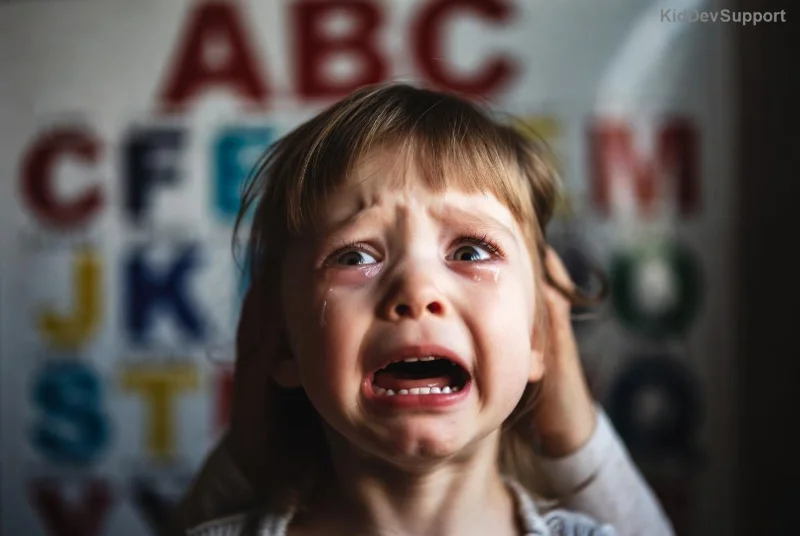
Struggling to get your child to express themselves? Art therapy for expressive language offers a fun, non-verbal bridge to verbal communication. 😊 For kids facing speech delays or shy talkers, creative activities turn frustration into fluent conversations. This guide dives into proven strategies from the latest research, helping parents and educators foster expressive language development through art.
What is Expressive Language and Why Does It Matter?
Expressive language is how children share thoughts, feelings, and needs through words. Delays here can lead to isolation or behavioral issues, but early intervention changes everything. Recent studies from speech-language pathology experts highlight that integrating art boosts vocabulary by up to 30% in young kids.
Unlike traditional speech therapy, art therapy reduces pressure. Kids draw, paint, or sculpt first—then describe their creations. This builds confidence and naturally expands sentences from "ball" to "The red ball is bouncing high!"
Proven Benefits of Art Therapy for Expressive Language
- Reduces Anxiety: Visual expression eases overwhelm for non-verbal kids.
- Enhances Vocabulary: Naming colors, shapes, and actions introduces new words.
- Boosts Confidence: Success in art translates to bolder speaking.
- Improves Sequencing: Storytelling through drawings teaches "first, next, last."
- Family Bonding: Shared activities strengthen emotional connections. ✅
Latest guidelines from the American Speech-Language-Hearing Association (ASHA) endorse multimodal therapies like this for holistic growth.
10 Creative Ways to Help Kids Talk Using Art Therapy
Ready to try? These expressive language activities are simple, low-cost, and adaptable for ages 2-8. Start with 10-15 minutes daily for noticeable progress.
| Activity |
How to Do It |
Language Boost |
| Emotion Faces Collage |
Cut magazines for happy/sad faces; glue and label feelings. |
Teaches "I feel happy when..." phrases. |
| Story Storyboard |
Draw 4 panels of a daily adventure; narrate each. |
Builds sequencing: "First I woke up, then..." |
| Colorful Feelings Wheel |
Paint a wheel with emotions; spin and describe. |
Expands descriptors: "Blue like sad ocean." |
| Animal Habitat Diorama |
Build shoebox scenes; explain "The lion lives here because..." |
Encourages why/how questions. |
| Fingerpaint Family Portraits |
Paint family; share "Mommy has curly hair." |
Details attributes and relations. |
![Kids engaging in art therapy for speech]()
Continue with these gems:
- Shape Story Puppets: Cut shapes into puppets; act out dialogues.
- Nature Scavenger Sketch: Draw found items; describe textures/sizes.
- Dream Bubble Comics: Fill speech bubbles in drawings.
- Texture Sensory Books: Glue fabrics; narrate touch stories.
- Future Me Clay Models: Sculpt grown-up self; predict "I will be a doctor."
Pro tip: Always model language yourself—"Wow, your tree has twisty branches!"—to scaffold their efforts.
How to Implement Art Therapy for Expressive Language at Home
Set up a cozy art station with washable supplies. Track progress in a journal: Note new words weekly. Pair with playdates for peer modeling. If delays persist, consult a certified speech therapist for personalized plans.
![Family art session improving kids speech]()
Signs It's Time for Professional Speech Therapy
Monitor for red flags like no 2-word phrases by age 2 or frustration in communication. Recent pediatric recommendations urge screening by age 18 months. Combine art therapy with pros for best results—many therapists now incorporate creative methods.
Success Stories and Final Tips
Parents report kids jumping from grunts to full sentences after weeks of consistent art therapy for expressive language. One mom shared: "My shy 4-year-old now leads storytime!" Keep sessions joyful, celebrate efforts, and watch voices bloom. 🌟
Start today—your child's words are waiting to spill out through art. Share your wins in comments!
FAQ: Art Therapy for Expressive Language
Q: Is art therapy a replacement for speech therapy?
A: No, it's a powerful complement. Use both for optimal gains.
Q: What age is best for these activities?
A: 18 months to 8 years, tailored to developmental stage.
Q: Where to find certified art therapists?
A: Search via American Art Therapy Association.
Empower your child's voice now—dive into these creative ways to help kids talk and transform communication!