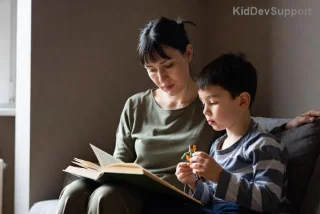
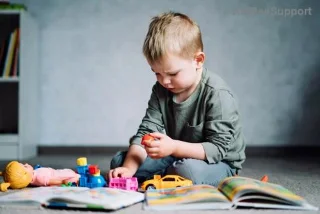
Imagine your child confidently sharing toys, taking turns in games, and laughing with friends. That's the magic of developing social communication. In today's fast-paced world, strong peer interaction skills are essential for emotional growth and lifelong friendships. This guide delivers focused, actionable tips to nurture these abilities through fun play, helping parents and educators foster confident communicators. Stick around for practical strategies backed by the newest child development insights.

Why Focus on Developing Social Communication Through Peer Interaction and Play?
Social communication is the foundation of healthy relationships. It involves verbal cues, body language, and emotional understanding. Recent studies from leading pediatric organizations highlight that children with robust peer interaction skills show better academic performance and mental health outcomes. Play acts as a natural playground for these skills, allowing kids to practice empathy, negotiation, and conflict resolution without pressure.
Key benefits include:
- Improved emotional regulation 🧒
- Enhanced problem-solving during group activities
- Stronger self-esteem from successful social exchanges
Without targeted guidance, children may struggle with isolation or misunderstandings. The good news? Simple, consistent tips can transform interactions.
Essential Tips for Building Peer Interaction Skills
Start with structured yet flexible approaches. Model behaviors yourself, as children learn best by imitation. Here's how to elevate peer interaction:
- Encourage Eye Contact and Greetings: Teach simple hellos with smiles. Role-play scenarios like "Hi, want to play?" to build confidence.
- Practice Turn-Taking: Use board games or balls. Say, "My turn, your turn!" to reinforce fairness.
- Teach Active Listening: Prompt kids to repeat back what they hear, like "You said you like trucks?" This validates peers and deepens bonds.
- Introduce Sharing Routines: Set timers for toys, gradually increasing time to promote generosity.
For visual learners, try this quick-reference table:
| Interaction Challenge |
Tip |
Expected Outcome |
| Shyness in Groups |
Pair with one friend first, then expand |
Gradual comfort in larger settings |
| Interrupting Others |
Use a "talking stick" object |
Respectful conversations |
| Difficulty Reading Cues |
Discuss facial expressions via pictures |
Better empathy |
| Conflicts Over Toys |
Guide "I feel... I want..." statements |
Peaceful resolutions |
These strategies, drawn from the American Speech-Language-Hearing Association (ASHA), ensure progress without overwhelm.
Supercharge Social Communication with Play-Based Activities
Play isn't just fun—it's therapy. The newest guidelines emphasize unstructured play for authentic skill-building. Integrate these into daily routines:
- Imaginative Role-Play: Dress-up or pretend kitchens encourage narrative sharing and cooperation.
- Group Games Like Tag or Simon Says: Builds following directions and quick responses.
- Building Blocks or Lego Challenges: Teams create towers, negotiating designs verbally.
- Outdoor Scavenger Hunts: Pairs hunt items, describing finds to peers.
Pro Tip: Observe and narrate positively—"Great job waiting your turn!"—to reinforce growth. For children facing speech delays, combine with visual aids for inclusive fun.
![Kids playing together to enhance peer interaction and social communication]()
Addressing Common Barriers in Peer Interaction and Play
Challenges like screen overload or neurodiversity can hinder progress. Recent expert recommendations suggest screen-time limits paired with social playdates. If delays persist:
- Consult a speech-language pathologist for tailored plans.
- Monitor for signs like avoiding eye contact or repetitive play—early intervention yields the best results, per CDC guidelines.
Create a safe space: Praise efforts over perfection to build resilience. Track improvements weekly—what small win will you celebrate first?
Age-Appropriate Milestones for Developing Social Communication
Tailor tips by stage:
| Age Group |
Key Peer Interaction Goals |
Play Ideas |
| Toddlers (1-3) |
Parallel play, simple imitation |
Bubble blowing together |
| Preschool (3-5) |
Turn-taking, basic sharing |
Puppet shows |
| School-Age (5+) |
Teamwork, conflict resolution |
Sports or board games |
Putting It All Together: Your Action Plan
Ready to ignite social sparks? Start small: Schedule one play session weekly, track progress, and adjust. Consistency turns tips into habits. Parents report dramatic improvements in just weeks with these methods.
Bonus: Join local playgroups or apps for social skill-building games. Your child's brighter social future starts today—share your success stories in the comments! For personalized advice, reach out to certified professionals. You've got this! 🏆