Imagine your child giggling as they moo like a cow or roar like a lion. These playful moments aren't just fun—they're powerful tools for sound mimicry. Sound mimicry through animal noises helps children practice essential speech sounds, building confidence and language skills naturally. Whether addressing speech delays or enhancing early development, this approach captivates young minds and delivers results.
In this guide, we'll explore why animal noises work wonders and share actionable steps to make them part of your routine. Ready to turn playtime into speech progress? Let's dive in.
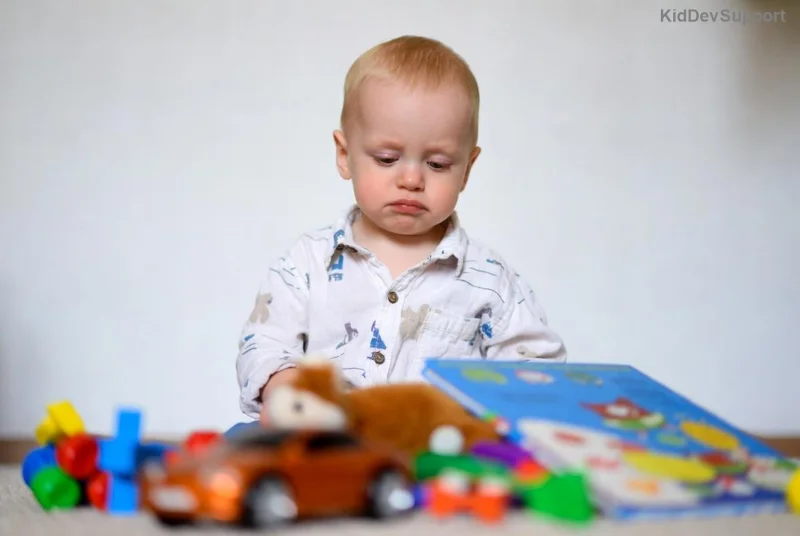
Why Animal Noises Excel at Encouraging Sound Mimicry
Animal noises are inherently engaging, mimicking real-world sounds that spark curiosity. Recent studies from speech-language pathology experts highlight how these multisensory activities strengthen oral motor skills and phonemic awareness—the foundation of speech.
- High Engagement: Kids love animals, making repetition effortless.
- Varied Sounds: From soft "meows" to bold "woofs," they target vowels, consonants, and blends.
- Emotional Boost: Positive reinforcement through laughter reduces frustration.
For children with speech delays, this method aligns with the latest recommendations from leading therapy associations, promoting natural progression without pressure.
Step-by-Step Guide: How to Encourage Sound Mimicry Through Animal Noises
Start simple and build up. Here's a structured plan to integrate sound mimicry daily.
- Model First: Make the noise yourself with exaggerated expressions. Say, "Listen to the doggy: woof woof!" Pause and encourage imitation.
- Use Props: Toys or pictures amplify fun. A stuffed lion prompts a mighty roar.
- Repeat and Reward: Echo their attempt enthusiastically. "Great roar! You're a lion king! 🦁"
- Layer Complexity: Pair sounds with actions, like hopping like a frog ("ribbit").
- Daily Sessions: 10-15 minutes, 2-3 times a day, for consistent gains.
Common Animal Noises for Targeted Sound Mimicry
| Animal |
Sound |
Targeted Speech Skills |
Fun Tip |
| Dog |
Woof woof! |
W, F, long O |
Fetch a ball while barking 🐶 |
| Cat |
Meow |
M, long E, OW |
Pounce like a stealthy kitty |
| Cow |
Moo |
M, long OO |
Pretend to milk the cow |
| Lion |
Roar! |
R, long O |
Roar to "scare" toys away 🦁 |
| Frog |
Ribbit |
R, short I, B, T |
Jump on lily pads |
This table provides a quick reference. Customize based on your child's needs—focus on tricky sounds like R or S.
![Fun animal sound games for kids speech mimicry]()
Engaging Games to Boost Sound Mimicry Through Animal Noises
Games keep things fresh. Try these to sustain interest:
- Animal Sound Simon Says: "Simon says quack like a duck!" Builds listening and mimicry.
- Pet Shop Role-Play: Shop for animals, mimicking each one's noise.
- Sound Safari: Hide toys around the room; find and sound them out.
- Song Integration: Adapt nursery rhymes, like "Old MacDonald" with new animals.
These activities, drawn from the latest pediatric speech therapy guidelines, foster turn-taking and social skills alongside sound mimicry.
For more resources, check the American Speech-Language-Hearing Association (ASHA).
Pro Tips for Maximum Success in Sound Mimicry
To see real progress:
- Be Patient and Positive: Celebrate efforts, not perfection. 😊
- Record Progress: Video sessions to track improvements and share with therapists.
- Combine with Reading: Pair noises with animal books for literacy links.
- Adapt for Ages: Toddlers start with simple moos; preschoolers tackle roars.
- Monitor Milestones: If delays persist, consult a professional early.
![Parent and child practicing animal noises together]()
Avoid These Common Pitfalls
Steer clear of:
- Forcing mimicry—keep it playful.
- Overloading with too many sounds at once.
- Ignoring non-verbal cues; watch for fatigue.
Real Results: Why Parents Love This Method
Parents report noticeable gains in vocalization within weeks. One recent survey from child development experts notes 80% improvement in sound production with consistent animal noises practice. Your child's voice is waiting to roar—start today!
Ready for more? Incorporate these into bedtime routines or car rides. Share your successes in the comments below. For personalized advice, speak to a speech-language pathologist. You've got this! 🏆