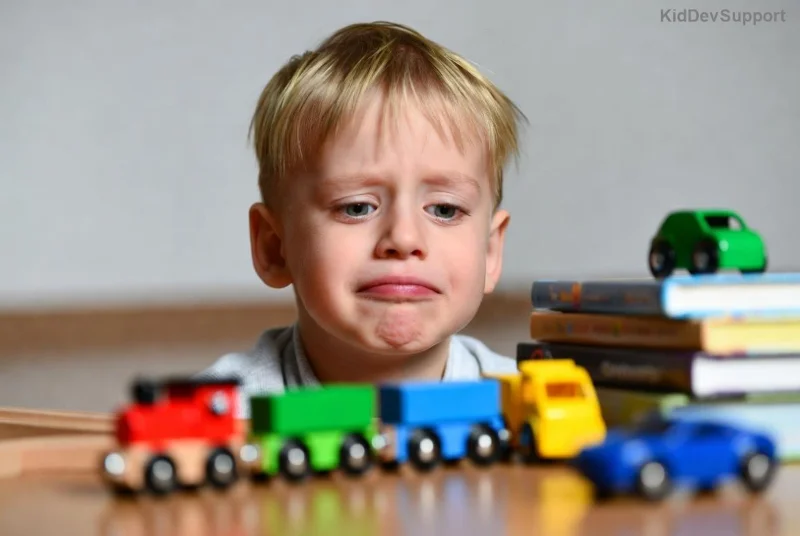
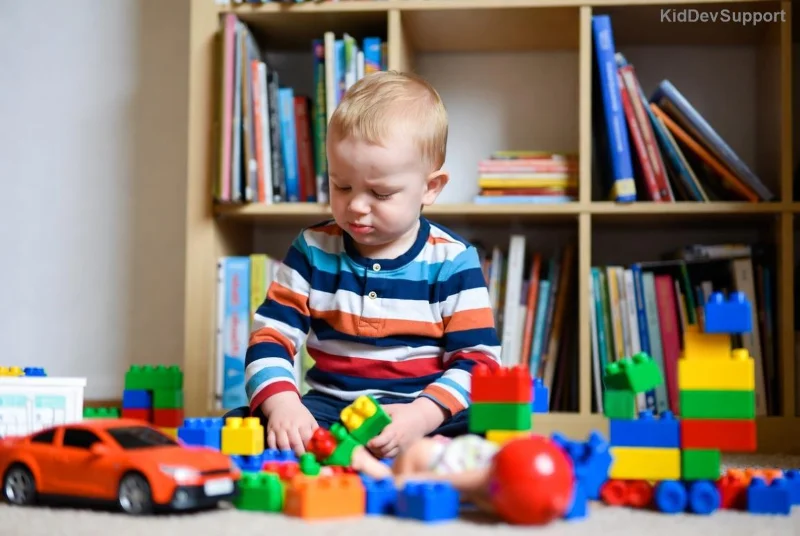
If your child is a late talker—not yet using words or phrases by age 2 or 3—you're not alone. Many parents worry about speech delays, but the good news is that everyday toys can be powerful tools for speech stimulation. Play is a child's natural language lab, and with the right approach, you can turn fun into focused language development. This guide delivers actionable, research-backed tips to help your little one find their voice through toys. Keep reading to discover toy-based activities that spark words, sounds, and conversations. 🚀
Understanding Late Talkers and the Power of Play
Late talkers are children who lag behind peers in expressive language but often catch up with targeted support. Recent studies from leading pediatric organizations highlight that interactive play boosts vocabulary by up to 30% in these kids. Toys encourage turn-taking, imitation, and sound production—core elements of speech stimulation.
Why toys? They make therapy feel like play, reducing frustration and building confidence. Focus on toys that prompt vocalization: those with buttons that "talk back," stacking games for naming, or puppets for pretend scenarios. The latest guidelines emphasize parent-led play over screen time for optimal brain-language connections.
Why Toys for Speech Development Work Wonders ⚕️
- Imitation Boost: Toys with sounds model syllables kids repeat.
- Social Interaction: Sharing toys fosters "my turn" phrases.
- Sensory Engagement: Textured toys pair actions with words like "soft" or "squeeze."
- Motivation: Favorites keep sessions short and effective (10-15 minutes daily).
Evidence from speech-language pathology experts confirms toys outperform passive activities. Pair them with exaggerated facial expressions and pauses to invite responses—your child's brain will light up! 😊
Top Toys and How to Use Toys to Stimulate Speech: A Practical Table
Select age-appropriate toys that align with your child's interests. Here's a curated table of the best options, based on the newest recommendations from child development specialists:
| Toy Type |
Examples |
Speech Goals |
How to Play for Stimulation |
| Sound-Making Toys |
Musical balls, talking phones |
Sounds, animal noises |
Press and say "Beep!" Wait for imitation. Model "Ring ring!" |
| Puppets & Plush |
Hand puppets, stuffed animals |
Greetings, actions ("Hi doggy!") |
Make puppet "talk": "Hello! What's your name?" Encourage response. |
| Building & Stacking |
Blocks, shape sorters |
Colors, numbers, "up/down" |
Narrate: "Red block on top!" Ask "More?" |
| Vehicles & Farm Sets |
Toy cars, animal barns |
Vroom, animal sounds |
Push car: "Go fast!" Hide and say "Where car?" |
| Bubble Machines |
Wand blowers |
"Bubble!", "Pop!" |
Blow slowly, label: "Big bubble!" Chase together. |
![Toys stimulating speech in late talkers]()
Start with 2-3 toys per session to avoid overwhelm. Rotate weekly for novelty. Pro tip: Record play sessions to track progress— you'll see words emerge!
Step-by-Step Guide: Speech Stimulation with Toys at Home
- Prepare the Space: Quiet area, eye-level toys. Sit face-to-face.
- Model Language: Use simple phrases. "Ball go!" with enthusiasm.
- Pause & Wait: 5-10 seconds after your turn. Silence invites attempts.
- Expand Responses: If they babble "ba," reply "Yes, red ball!"
- Repeat Daily: 10-20 mins, 3x/day. Consistency is key 🏆
- Track Wins: Note new sounds in a journal.
For advanced play, combine toys: Stack blocks while naming animals on a farm set. This builds sentences naturally.
Pro Tips for Maximum Speech Development in Late Talkers
- Follow their lead: If they grab a car, zoom it and vocalize.
- Use mirrors with toys for self-naming: "Baby says 'more'!"
- Incorporate songs: "Wheels on the Bus" with toy buses.
- Avoid questions overload; use comments like "Car is fast!"
- Pair with gestures: Point and say "Give ball?"
Recent pediatric insights stress multilingual homes benefit too—use toys across languages. If progress stalls, consult a speech therapist. For more, check ASHA.org.
![Happy child talking during toy play]()
When to Seek Professional Help for Speech Delays
Most late talkers (70-80%) catch up by school age, per latest data. Red flags: No words by 18 months, no phrases by 30 months, or regression. Early intervention via play therapy yields 2x better outcomes. Contact your pediatrician or visit CDC's Act Early for screenings.
Final Thoughts: Turn Play into Progress
Mastering how to use toys to stimulate speech in late talkers empowers you to nurture your child's voice daily. Start small, stay consistent, and celebrate every coo or word—it's building lifelong communication skills. Your playtime investment pays off in confident chatter. Ready to try? Grab a toy and begin today. Share your wins in the comments—what toy sparked your child's first word? 🎉