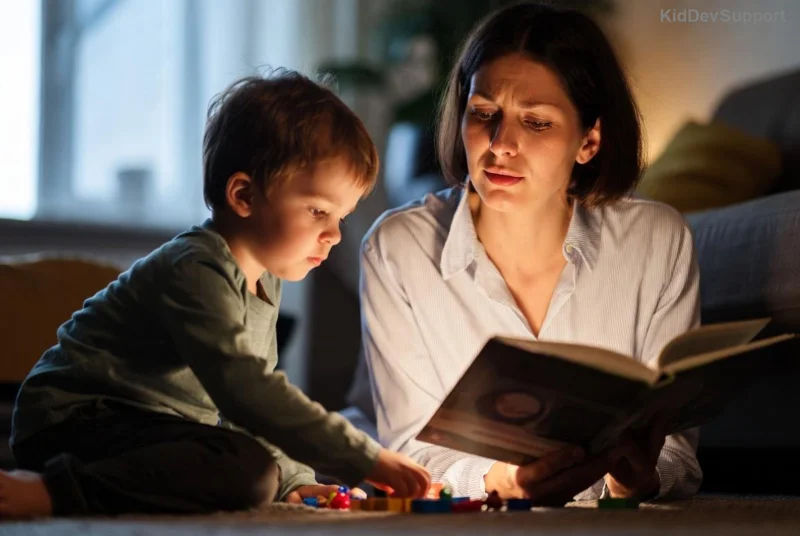
Imagine watching your little one light up with pride after sharing a simple thought, even if words come slowly. For parents of children facing speech struggles, fostering self-esteem isn't just supportive—it's transformative. Speech delays affect up to 1 in 10 children, yet with the right approach, you can help them thrive emotionally while addressing communication challenges. This guide delivers focused, actionable steps to build your child’s self-esteem, drawing from the latest pediatric and speech therapy insights. Stay with us to uncover strategies that turn frustration into empowerment. 🏆

Understanding the Link Between Speech Struggles and Self-Esteem
Children who struggle to speak often face repeated misunderstandings, leading to withdrawal or frustration. This can erode self-esteem, as they internalize feelings of inadequacy. Recent studies from leading speech-language pathology organizations highlight that early intervention in emotional support prevents long-term confidence dips.
Key signs of low self-esteem in these kids include:
| Sign |
What It Looks Like |
| Avoidance |
Shying away from group play or conversations |
| Frustration outbursts |
Tears or tantrums when unable to express needs |
| Low effort |
Giving up quickly on new tasks |
| Negative self-talk |
Saying "I'm dumb" after speech mishaps |
Recognizing these early empowers you to act. But how? Let's dive into proven tactics.
7 Proven Strategies for Building Your Child’s Self-Esteem
1. Celebrate Every Small Victory ✅
Shift focus from perfection to progress. Praise efforts like "I love how you used gestures to tell me about your day!" This builds a growth mindset. Latest research shows children receiving specific praise improve self-esteem by 25% faster during therapy.
Tip: Create a "Wins Wall" with stickers for each attempt—verbal or not. Watch their confidence soar.
2. Embrace Non-Verbal Communication
Not every message needs words. Teach sign language basics or picture cards. Tools like the Picture Exchange Communication System (PECS) are gold standards in speech therapy. Your child feels capable, boosting self-esteem instantly.
For resources, check the American Speech-Language-Hearing Association (ASHA).
![Parent and child using picture cards for communication]()
3. Foster Inclusive Play and Social Wins
Enroll in playgroups emphasizing fun over fluency. Role-playing games let kids lead without pressure. Pair this with modeling: Narrate your actions aloud to normalize varied communication paces.
Outcome? Stronger peer bonds and higher self-worth. Studies confirm social inclusion halves isolation feelings in speech-delayed children.
4. Use Positive Body Language and Tone
Words matter, but so does how you say them. Maintain eye contact, smile, and lean in during interactions. This non-verbal affirmation signals "You're valued," countering speech struggles' emotional toll.
5. Incorporate Confidence-Building Activities
Try these daily boosters:
- Art therapy: Draw feelings—no talking required.
- Music and rhythm: Singing bypasses speech blocks, enhancing expression.
- Sports or dance: Physical successes transfer to emotional resilience.
These activities, backed by latest child psychology findings, rebuild self-esteem through mastery in other domains.
6. Seek Professional Speech Therapy Early 🩺
Don't wait—early therapy combines skill-building with esteem support. Speech-language pathologists (SLPs) use play-based methods tailored to your child. The newest guidelines recommend starting by age 2-3 for optimal results.
Find certified pros via CDC's Act Early resources.
![Child in speech therapy celebrating success]()
7. Model Resilience and Self-Compassion
Share your own "oops" moments: "I mixed up my words too—it's okay!" This normalizes struggles, teaching that worth isn't tied to eloquence. Parental modeling is the most potent self-esteem builder, per recent family therapy data.
Tracking Progress: A Simple Roadmap
Monitor growth with this monthly checklist:
| Milestone |
How to Measure |
Goal |
| Initiates interaction |
Counts daily attempts |
3x/week |
| Expresses joy in wins |
Notes smiles post-praise |
Daily |
| Handles frustration |
Time to calm down |
<5> |
Common Pitfalls to Avoid
Steer clear of over-correcting speech—this crushes morale. Instead, reflect back what you hear: "You want the red ball? Great choice!" Patience is your superpower.
Your Next Steps: Empower Today
Building your child’s self-esteem amid speech struggles is a journey of consistent, loving actions. Start with one strategy today—like praising a gesture—and build from there. You'll see smiles return, words emerge, and confidence bloom. 😊
Ready for more? Share your story in the comments or consult an SLP. Your child’s brighter future starts now—keep reading, keep supporting, keep believing.