If your little one communicates mostly by grunting or pointing instead of using words, you're not alone. Many parents notice this in toddlers, sparking worry about speech delays. The good news? Early action can make a huge difference. This guide breaks down signs, steps, and proven strategies to help your child find their voice. Stick around for practical tips that work.
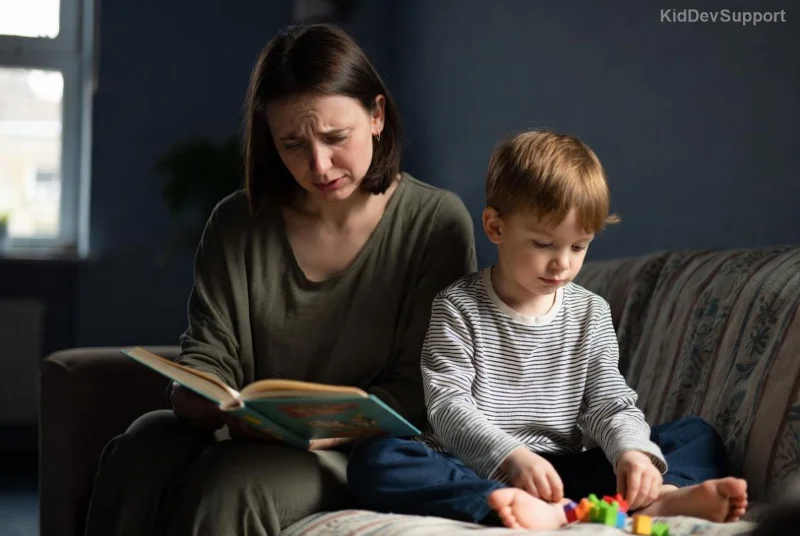
Understanding Why Your Child Only Grunts or Points
Grunting or pointing is common in babies under 12 months as pre-verbal cues. But if it persists beyond age 2, it may signal a speech delay. Recent studies from leading pediatric organizations show up to 1 in 10 children experience delays, often due to:
- Hearing issues blocking sound input.
- Oral-motor challenges affecting articulation.
- Autism spectrum traits or developmental disorders.
- Limited language exposure at home.
Don't panic—most cases improve with intervention. The key is spotting it early.
Key Signs of Speech Delay in Toddlers
Watch for these red flags if your child only grunts or points:
| Age |
Expected Milestones |
Delay Signs |
| 12-18 months |
5-20 words, points to name objects |
No words, only grunts or points |
| 18-24 months |
50+ words, 2-word phrases |
Frustration from grunting, no babbling |
| 2-3 years |
200-300 words, simple sentences |
Relies solely on pointing/gestures |
These milestones come from the latest pediatric guidelines. If your child lags, read on for next steps.
When to Consult a Doctor or Specialist 🩺
Act fast if your child only grunts or points past 18 months. Schedule a pediatrician visit for:
- A hearing screening—essential first step.
- Developmental evaluation using tools like M-CHAT for autism flags.
- Referral to a speech-language pathologist (SLP).
Early intervention programs offer free services for kids under 3. For reliable info, check CDC milestones or ASHA resources.
Proven Home Strategies to Encourage Speech
While waiting for pros, try these daily tactics. Consistency is key—parents see results in weeks.
1. Narrate Everything
Describe actions: "You're pointing at the ball! Ball goes bounce!" Mimic their grunts then add words.
2. Use High-Interest Toys
Play with cause-effect toys. Pause and wait for their response—don't fill silence.
3. Read Daily
Picture books build vocabulary. Point and name: "Look, doggy!" Repeat favorites.
![Parent helping child with speech through play]()
4. Limit Screens
Latest guidelines recommend under 1 hour/day for ages 2+. Face-to-face interaction trumps TV.
5. Sign Language Boost
Teach simple signs (eat, more). This bridges to words for grunting kids.
| Activity |
How It Helps |
Daily Time |
| Reading |
Expands vocab |
15 mins |
| Toy Play |
Encourages imitation |
20 mins |
| Songs/Rhymes |
Builds rhythm |
10 mins |
Professional Therapies for Speech Delay
SLPs use evidence-based methods like:
- Hanen Program: Parent training for natural talk.
- PROMPT therapy: Guides mouth movements.
- Play-based sessions: Fun, not drills.
Insurance often covers 20-30 sessions/year. Track progress with a journal.
Common Mistakes to Avoid
Steer clear of:
- Assuming "they'll catch up"—delays can worsen.
- Over-correcting: Respond positively instead.
- Ignoring bilingual homes—exposure matters, not confusion.
Real Parent Wins: From Grunts to Words 😊
One mom shared: "My 2.5-year-old only pointed. After 3 months of narration and SLP, he said 'mama ball'!" Early steps lead to triumphs like these. You've got this.
Next Steps: Start Today
Download a milestone tracker app, book that doctor visit, and try one strategy now. Your child's first words are closer than you think. Share your story in comments—what worked for you?
Updated with the latest pediatric insights for 2026.