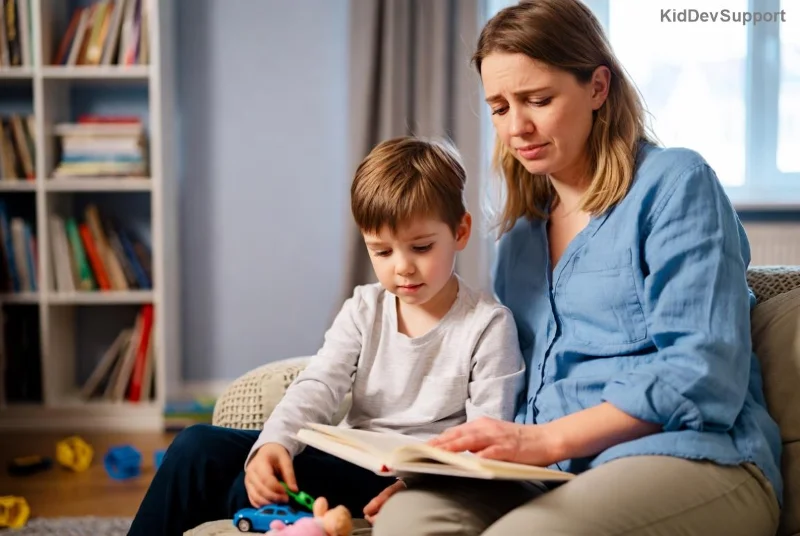
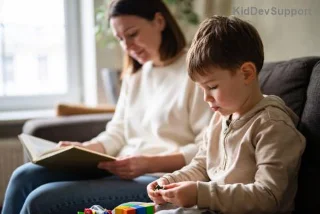
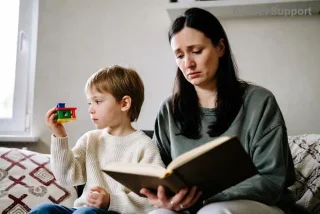
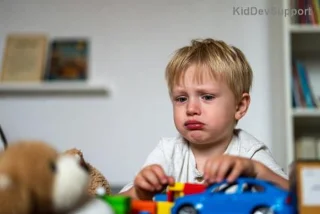
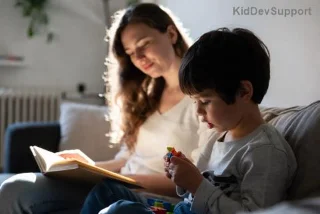
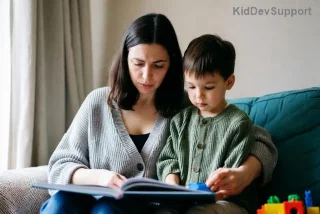
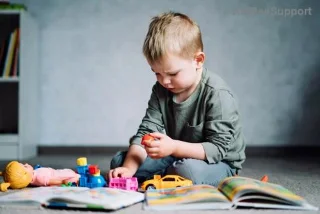
If your 2-year-old is non-verbal or showing signs of speech delays, you're not alone. Many toddlers at this age babble but struggle to form words, gestures, or connect sounds to meaning. The good news? Early intervention with targeted speech exercises for non-verbal 2-year-olds can spark breakthroughs. These home-based activities, drawn from the latest pediatric speech therapy guidelines, mimic professional techniques to build oral motor skills, imitation, and vocabulary. Stick with us as we dive into practical, fun exercises that keep your little one engaged—let's turn those silent moments into joyful chatter!
Why Focus on Speech Exercises for Non-Verbal 2-Year-Olds Now?
At age 2, most children use 50+ words and simple phrases. Non-verbal 2-year-olds may only gesture or cry to communicate, signaling potential speech delays. Recent studies from leading speech-language pathology organizations highlight that consistent daily practice can improve expressive language by up to 30% in just weeks. Delaying action risks frustration, behavioral issues, or widened gaps with peers. These exercises target key areas: oral motor strength, sound imitation, and joint attention. Ready to start? Keep reading for exercises proven to engage even the quietest toddlers. 🗣️
Essential Preparation: Set the Stage for Success
Before jumping into speech exercises for non-verbal 2-year-olds, create a calm, playful environment. Sit face-to-face at eye level, use high-contrast toys, and exaggerate facial expressions. Track progress in a simple journal—note new sounds or gestures weekly. Combine exercises with daily routines like mealtime or bath time for natural repetition. Pro tip: Pair activities with your child's interests, like cars or animals, to boost motivation.
Top 8 Speech Exercises for Non-Verbal 2-Year-Olds: Step-by-Step Guides
Here are evidence-based activities from the newest speech therapy protocols. Do 10-15 minutes, 3-5 times daily. Demonstrate slowly, then pause for imitation. Celebrate every attempt with claps or hugs!
1. Blowing Bubbles for Oral Motor Fun
Blow bubbles and say "Buh-buh!" Encourage your toddler to blow back. This strengthens lips and builds "b" sounds. Variation: Use straws in water for raspberry blows (pbbbt!).
2. Mirror Mimicry Game
Face a mirror together. Stick out your tongue, make fish faces, or smile big while naming actions: "Big smile!" Toddlers love copying, developing self-awareness and sound production.
3. Point and Name Objects
Point to 5 everyday items (ball, cup, dog) and say their names clearly. Wait for eye contact or point back. Use real objects first, then pictures. Builds vocabulary links.
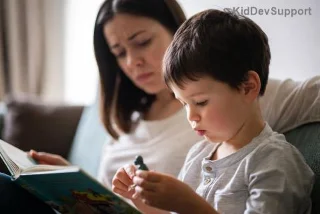
![Parent and toddler practicing speech exercises together]()
4. Animal Sounds Symphony
Hold plush toys and roar "Moo!", "Woof!", or "Meow!" Exaggerate with actions. Sing simple songs like "Old MacDonald" to repeat sounds. Animals are toddler magnets for imitation.
5. Hand-over-Hand Gestures
Gently guide their hand to wave "Bye-bye" or clap "More!" Pair with words. Fades naturally as they take over, bridging to verbal requests.
6. Silly Face Poppers
Pull funny faces (puff cheeks, wiggle tongue) and pop with sound: "Pop!" Use books with faces for reinforcement. Targets bilabial sounds like "p" and "b".
7. Song and Rhyme Repetition
Sing "Itsy Bitsy Spider" or "Wheels on the Bus" with gestures. Pause mid-line for fill-ins. Rhythm aids memory and phonemic awareness per latest research.
8. Sensory Sound Jars
Shake jars with rice (shhh!), bells (ding!), or beans (rattle!). Name sounds descriptively. Enhances auditory discrimination for future speech.
Daily Schedule Table: Make Speech Exercises a Habit
| Time of Day |
Recommended Exercise |
Duration |
Goal |
| Morning Routine |
Blowing Bubbles + Mirror Mimicry |
5 mins |
Wake-up oral muscles |
| Mealtime |
Point and Name + Animal Sounds |
10 mins |
Link words to objects |
| Playtime |
Song and Rhyme + Sensory Jars |
10 mins |
Build rhythm and listening |
| Bedtime Wind-Down |
Hand Gestures + Silly Faces |
5 mins |
Calm imitation practice |
This table ensures balanced practice without overwhelming your toddler. Adjust based on energy levels—consistency trumps intensity.
Track Progress and Know When to Seek Help
Expect first signs like babbling or pointing within 2-4 weeks. Use apps or charts to log milestones. If no progress after a month, or if accompanied by hearing issues or regression, consult a speech-language pathologist (SLP). For reliable resources, visit the American Speech-Language-Hearing Association (ASHA) site—they offer free screening tools based on the latest data. Early therapy can multiply home exercise gains. 💪
Common Pitfalls to Avoid in Speech Exercises for Non-Verbal 2-Year-Olds
- Don't force sounds—model and wait patiently.
- Avoid screens; hands-on wins for brain development.
- Skip sugary rewards; use natural praise for healthy habits.
- Ignore sibling jealousy—include them for family fun.
Real Parent Wins: You're Next!
Parents report first words like "mama" after weeks of these exercises. One shared: "My non-verbal 2-year-old now requests 'more' during meals!" Your persistence pays off. Start with one exercise today—what's your toddler's favorite toy? Tie it in and watch the magic.
Final Thoughts: Empower Communication Today
Speech exercises for non-verbal 2-year-olds are your superpower against delays. With daily fun, professional insights, and this guide, you're equipped for triumphs. Share your progress in comments below—let's cheer each other on! If delays persist, book an SLP eval now for personalized plans. Your toddler's voice awaits—unlock it! 🌟