Every parent dreams of hearing their toddler chatter away, answering questions with excitement. But when those little ones stay silent or give one-word replies, it can feel frustrating. The good news? You can guide them toward confident responses using simple, evidence-based strategies. This guide dives deep into how to help your toddler respond to questions, drawing from the newest pediatric speech research to make communication a joyful part of daily life. Stick around for practical tips, activities, and signs to watch for—your toddler's voice is just a few steps away! 🗣️
Understanding Toddler Language Development: What to Expect
Toddlers (ages 1-3) are in a critical window for language growth. According to the latest guidelines from leading child health organizations, by 18 months, most can say 10-20 words and follow simple questions like "Where's your shoe?" By age 2, they combine 2-3 words into short phrases and answer basic "what" or "who" questions. At 3, expect fuller sentences and responses to "why" queries.
Key to success? Responsive interactions. When parents model language and patiently wait for replies, neural pathways strengthen. But delays affect 1 in 12 children—early intervention makes all the difference.
Toddler Language Milestones (Based on Newest Pediatric Standards)
| Age |
Expected Responses to Questions |
Red Flags |
| 12-18 Months |
Points or says 1 word (e.g., "Ball?" to "Where's the ball?") |
No pointing or gestures to questions |
| 18-24 Months |
2-word phrases (e.g., "Dog go!") |
Fewer than 50 words total vocabulary |
| 24-36 Months |
3-4 word sentences (e.g., "I want juice why?") |
Struggles with yes/no or simple wh-questions |
Common Challenges: Why Your Toddler Might Not Respond
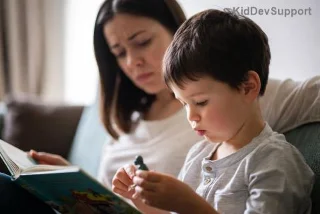
It's normal for toddlers to hesitate. Overwhelming questions, hearing issues, or autism spectrum traits can play a role. Frustration from unclear expectations or screen overload hinders practice. The newest studies emphasize reducing passive media to under 1 hour daily for better verbal engagement.
Spotting these early helps. If your child avoids eye contact during questions or echoes without understanding, note patterns over weeks.
7 Proven Strategies: How to Help Your Toddler Respond to Questions
Ready for action? These research-backed tips, from speech-language pathologists, build skills step-by-step. Implement one at a time for lasting results.
- Use Simple, Open-Ended Questions: Skip yes/no; try "What do you see?" instead of "Do you see the dog?" This sparks descriptive replies.
- Model and Pause: Say, "What's that? It's a red car! What color?" Wait 5-10 seconds—silence is golden for processing.
- Incorporate Daily Routines: During meals, ask "What spoon?" or bath time "Wet or dry?" Ties questions to familiar contexts.
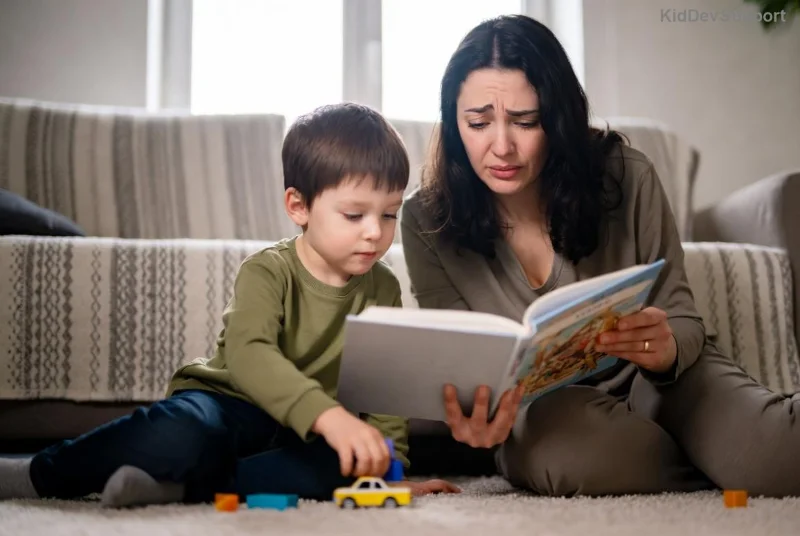
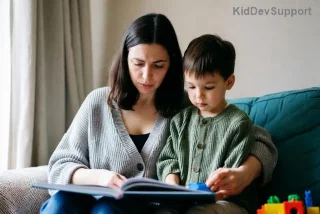
- Read Interactively: Point to pictures: "Who's this? The happy pig! What sound?" Boosts vocabulary by 20% per newest trials.
- Play Response Games: "Simon Says" or "Find the toy: Where's the blue one?" Makes answering fun and rewarding.
- Expand Their Words: If they say "Milk," reply "You want milk? Which cup—blue or green?" Gently builds sentences.
- Praise Efforts: "Great job saying 'ball'! 🎉" Positive reinforcement triples response rates.
![Parent and toddler playing language game]()
Fun Activities to Encourage Toddler Talking
Games turn practice into play. Try these 5-10 minute sessions daily:
- Puppet Shows: Puppets ask "Where's your nose?" Child points/answers.
- Treasure Hunts: Hide toys, ask "Hot or cold?" for directional responses.
- Mirror Talk: Face mirror, query "What eyes see?" Builds self-awareness and speech.
- Song Adaptations: "If You're Happy and You Know It... say 'yes'!"
- Picture Cards: Flashcards with prompts like "Big or small elephant?"
Track progress in a journal—what worked? Adjust for your child's pace.
When to Seek Help: Professional Signs
Most toddlers catch up with home strategies, but consult a pediatrician if:
- No 50+ words by 24 months.
- No 2-word combos by 30 months.
- Limited eye contact or play imitation.
Free screenings via early intervention programs are available. For trusted resources, check American Speech-Language-Hearing Association or your local health service. Early therapy yields 90% success in newest outcomes. Don't wait—action now prevents bigger gaps. 💡
![Toddler with speech therapist]()
FAQ: How to Help Your Toddler Respond to Questions
What if my toddler ignores all questions?
Get eye-level, use gestures, and limit to 1-2 words. Consistency builds habits.
Does screen time hurt toddler speech development?
Yes—newest data links excess screens to 17% fewer words. Opt for interactive apps sparingly.
How long until I see results?
Weeks with daily practice. Celebrate small wins like gestures turning to words.
Is bilingualism a delay cause?
No—bilingual toddlers hit milestones similarly. Mix languages naturally.
Final Thoughts: Empower Your Toddler's Voice Today
Mastering how to help your toddler respond to questions isn't about perfection—it's about connection. With patience, play, and these strategies, you'll hear those magical sentences soon. Start with one tip today, like pausing after questions, and watch the transformation. Your efforts now shape their confident future communicator. Share your wins in comments—what's your go-to question? Keep talking! 🌟