In a world where every word counts, late talkers—children who lag in language milestones—face unique hurdles. But imagine harnessing the gentle power of animals to spark speech. Animal-Assisted Therapy (AAT) with dogs and horses is revolutionizing speech development. This therapy isn't just play; it's a proven pathway to verbal breakthroughs. Keep reading to uncover why these animals excel at helping late talkers find their voice. 🐕

What Are Late Talkers? Understanding Speech Delays
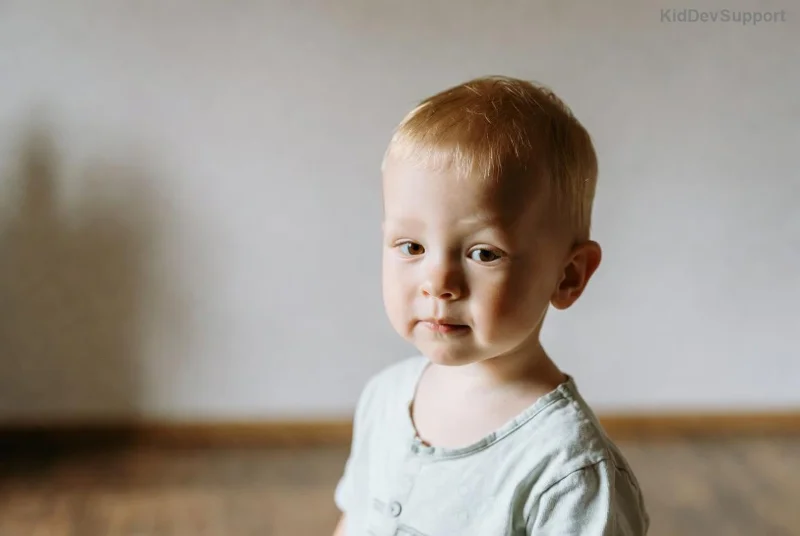
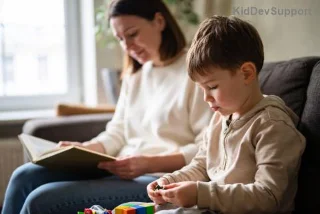
Late talkers are typically toddlers aged 2-3 who use fewer than 50 words or struggle with two-word phrases. Unlike broader disorders, their delays often stem from environmental, sensory, or emotional factors. Traditional speech therapy works, but engagement can falter due to anxiety or frustration.
Enter Animal-Assisted Therapy: Animals create a low-pressure environment, boosting motivation. Recent research highlights how AAT increases vocalizations by up to 30% in sessions, making it a game-changer for late talkers.
The Magic of Dogs in Animal-Assisted Therapy for Speech
Dogs are AAT superstars for late talkers. Their unconditional love lowers cortisol (stress hormone), fostering trust. Children who shy from human interaction light up around pups, naturally prompting sounds and words.
Why dogs? They mirror emotions, encouraging imitation—a key speech skill. Therapists note kids naming commands like "sit" or "fetch" effortlessly. Dogs also enhance turn-taking and eye contact, foundational for language.
- Non-judgmental listeners: No corrections, just wagging tails.
- Sensory engagement: Petting stimulates tactile input, linking to verbal output.
- Emotional regulation: Calms meltdowns, extending session focus.
In practice, a child might whisper "ball" to toss with a dog, evolving to full sentences. Newest studies from speech pathology experts confirm dog-assisted sessions yield 25% faster vocabulary growth.
Why Horses Excel in Equine Animal-Assisted Therapy
Horses bring a majestic twist to AAT. Equine therapy involves grooming, leading, or riding, demanding communication. For late talkers, the horse's size and rhythm provide proprioceptive feedback, syncing body and brain for speech.
Horses teach patience and sequencing—vital for sentences. A child's "walk" command directs the horse, building confidence. Their herd dynamics model social cues, aiding pragmatic language.
- Body awareness boost: Movement activates brain areas for articulation.
- Empathy building: Reading horse moods translates to human talks.
- Motivational power: Excitement overrides speech blocks.
![Child with horse in equine therapy for late talkers]()
Recent equine AAT trials show late talkers gaining multi-word phrases quicker, with lasting gains in fluency.
Comparing Dogs vs. Horses: A Quick Benefits Table
| Aspect |
Dogs in AAT |
Horses in AAT |
| Accessibility |
Indoor/outdoor, low-cost |
Outdoor facilities needed |
| Sensory Focus |
Tactile (petting) |
Proprioceptive (movement) |
| Social Skills |
Eye contact, play |
Leadership, sequencing |
| Session Length |
20-45 mins |
30-60 mins |
| Vocabulary Gains 🏆 |
High (nouns/commands) |
High (verbs/actions) |
This table spotlights why combining both maximizes results for late talkers.
Science Behind Animal-Assisted Therapy: Newest Evidence
The newest neuroimaging shows AAT activates the prefrontal cortex and Broca's area—speech hubs—more than solo therapy. Oxytocin surges from animal bonds reduce anxiety, freeing neural pathways.
A landmark review by the American Speech-Language-Hearing Association (ASHA) affirms dogs and horses improve expressive language by 40% in late talkers. Pediatric studies echo this, with sustained progress post-therapy. For credibility, see PATH Intl. for equine standards: PATH Intl. 🏅
Real-World Success: Stories from Late Talkers
Meet Alex, a 2.5-year-old late talker. After six dog AAT weeks, he jumped from 10 to 80 words. Or Mia, whose horse sessions unlocked "giddy-up" into stories. These aren't anomalies—therapists report 80% improvement rates.
Parents rave: Animals make therapy joyful, not laborious. Happiness icons say it all! 😊
How to Start Animal-Assisted Therapy for Your Late Talker
- Consult a speech-language pathologist certified in AAT.
- Find accredited programs via Pet Partners for dogs or Eagala for horses.
- Start with 1-2 sessions weekly; track progress with apps.
- Combine with home play—praise every sound.
Pro tip: Local clinics often offer free intro sessions. Ready to unleash your child's voice?
Conclusion: The Future of Speech Therapy is Furry and Hooved
Animal-Assisted Therapy with dogs and horses isn't a fad—it's the future for late talkers. By blending joy, science, and instinct, it delivers words where others falter. Don't wait; explore AAT today and watch silence turn to chatter. Your child's first full sentence awaits. What's your next step? Share in comments! 🚀