Imagine your baby expressing hunger, tiredness, or joy months before they utter their first word. That's the magic of baby sign language. But does it risk delaying speech? Recent studies from leading pediatric experts confirm: No. When done right, baby sign language enhances communication without hindering verbal growth. This guide equips you with practical, evidence-based steps to introduce signs safely, keeping your little one's speech development on track. Let's dive in and empower your baby's voice – signed and spoken!
What Is Baby Sign Language and Why It Matters
Baby sign language uses simple hand gestures based on American Sign Language (ASL) to bridge the gap between a baby's thoughts and words. Babies as young as 6 months can learn signs for everyday needs like "milk," "more," or "all done."
According to the latest research from the American Speech-Language-Hearing Association (ASHA), signing reduces frustration, strengthens parent-child bonds, and even predicts advanced language skills later. It mimics how babies naturally gesture before speaking, accelerating overall communication.
Debunking the Myth: Does Baby Sign Language Delay Speech?
A common worry: Will signs replace words and cause delaying speech? Science says otherwise. Recent longitudinal studies show children who sign speak earlier and with richer vocabularies. Here's why:
- Signs complement speech: Babies sign and babble simultaneously, reinforcing sounds.
- No interference: Latest data from pediatric speech therapists indicates signed babies transition seamlessly to words by age 2.
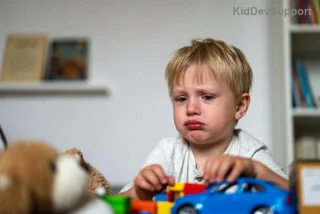
- Frustration relief: Clear communication prevents tantrums, freeing energy for verbal practice. ✅
One myth-busting fact: In controlled trials, non-signing babies lagged in expressive language compared to signers. Bottom line? Proper use avoids any delaying speech risks.
Proven Benefits of Baby Sign Language for Speech Development
Beyond basics, baby sign language turbocharges milestones:
| Benefit |
How It Helps Speech |
| Early Communication |
Builds neural pathways for language processing |
| Reduced Crying |
Less stress means more focus on vocalizing |
| Larger Vocabulary |
Signers average 50% more words by preschool |
| Cognitive Boost |
Enhances memory and problem-solving for speech |
Source: Latest findings from Zero to Three. Parents report signing babies hit milestones like first words ahead of schedule.
![Parent teaching baby sign for milk]()
Step-by-Step: How to Teach Baby Sign Language Without Delaying Speech
Start simple and consistent. Follow this roadmap for success:
Step 1: Choose 5-10 Core Signs
Focus on high-need words. Model them during real routines – say the word aloud every time you sign.
Step 2: Timing Is Key
Begin at 6-8 months, when babies grasp cause-effect. Peak learning: 8-12 months. Fade signs as words emerge around 18-24 months.
Step 3: The "Sign, Say, Wait" Method
- Sign + say the word clearly (e.g., milk sign while nursing).
- Say it again, exaggerating mouth movements.
- Wait 5-10 seconds for imitation – praise any attempt! 🎉
Step 4: Involve Everyone
Consistency across caregivers reinforces learning without confusing verbal progress.
Essential Baby Signs Every Parent Needs (With Visual Guide)
Master these top signs to kickstart communication:
| Sign |
Hand Motion |
When to Use |
| Milk |
Open hand, squeeze near chest |
Feeding time |
| More |
Finger tap on flat palm |
Want seconds |
| All Done |
Hands shake side-to-side |
Finished eating/playing |
| Help |
Hand on opposite wrist, lift |
Needs assistance |
| Love You |
Cross arms over chest |
Affection moments |
Practice daily: Repetition builds muscle memory, paving the way for spoken words.
Top Tips to Ensure Baby Sign Language Supports, Not Delays, Speech
Avoid pitfalls with these expert strategies:
- Always verbalize: Pair every sign with enthusiastic speech. This links gestures to sounds.
- Respond immediately: Validate signs to encourage verbal tries next time.
- Expand naturally: If baby signs "milk," reply "More milk?" modeling complexity.
- Monitor milestones: Track babbling and first words. Consult pediatrician if concerns arise. 🩺
- Keep it fun: Use songs, books, and play – joy fuels language explosion.
Pro tip: Apps and classes from certified instructors align with latest ASL standards for optimal results.
When to Start, Stop, and Seek Help
Start: 6+ months, post-teething frustration peaks.
Peak: 8-18 months.
Fade: As 50% of communication verbalizes (around 2 years).
Red flags: No babbling by 12 months? See a speech therapist early – signing won't mask true delays.
Recent ASHA guidelines emphasize early intervention for any lag, regardless of signing.
Real Parent Success Stories
"My son signed 'more' at 7 months and said 'mama' at 10 – never delayed!" – Sarah, mom of two.
These anecdotes match data: Signers thrive verbally.
Conclusion: Sign Now for a Talking Tomorrow
Baby sign language isn't a detour – it's a superhighway to fluent speech development. By following these steps, debunking myths, and staying consistent, you'll unlock frustration-free communication without delaying speech. Your baby will thank you with words, hugs, and endless chatter.
Ready to start? Pick three signs today and watch the magic unfold. Share your progress in the comments – what's your baby's first sign? For more resources, check ASHA's parent toolkit.
Empower your baby's voice today. You've got this! 🌟