In today's screen-dominated world, children's voices are often muffled. But what if the key to unlocking vibrant expressive language lay just outside the door? Outdoor play isn't just fun—it's a powerhouse for language growth. Recent studies highlight how nature's playground sparks vocabulary explosions, fluid conversations, and confident self-expression in kids. Ready to see why? Let's explore the science and strategies that make outdoor play essential for your child's communication journey. 😊
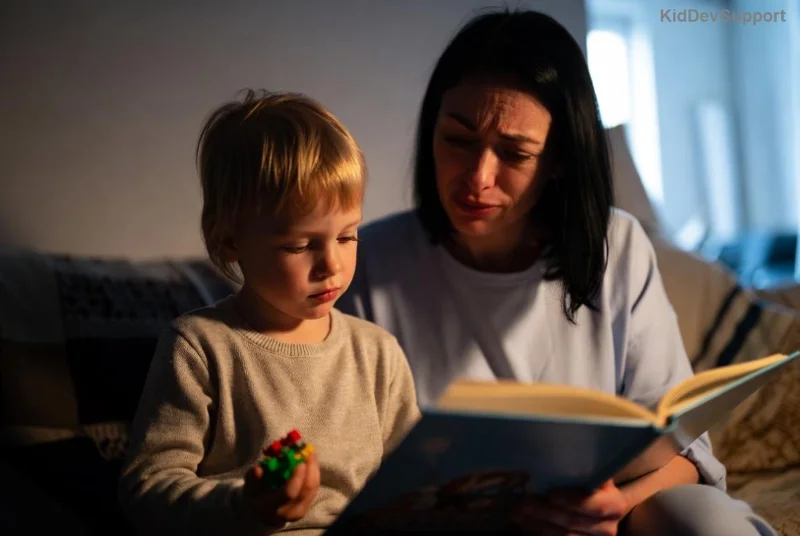
What is Expressive Language and Why Does It Matter?
Expressive language is how children share thoughts, feelings, and ideas through words, gestures, and stories. It goes beyond basic talking—think storytelling, describing adventures, or negotiating games. Strong skills here predict academic success, social bonds, and emotional health.
Yet, many kids face hurdles like limited vocabularies or hesitation in speaking up. Enter outdoor play: a natural catalyst. Unlike structured indoor lessons, it immerses children in real-world stimuli, making language practice irresistible and effective.
The Science Behind Outdoor Play and Expressive Language
Latest research from pediatric and developmental experts confirms outdoor play rewires young brains for better communication. Nature reduces stress, heightens focus, and floods senses with input—perfect for language leaps.
- Sensory Richness: Wind, textures, and sounds prompt descriptive words like "rustling leaves" or "splashing puddles."
- Social Dynamics: Group play demands turn-taking talk, boosting narrative skills.
- Physical-Mental Link: Movement oxygenates the brain, enhancing word recall and fluency.
For evidence, check this CDC guide on child development, emphasizing play's role in speech milestones.
Top 5 Benefits of Outdoor Play for Expressive Language
Here's a breakdown of how outdoor play delivers targeted gains. We've structured them in a table for quick insights:
| Benefit |
How It Boosts Expressive Language |
Real-World Example |
| Vocabulary Expansion |
Encounters with nature introduce 2-3x more new words than indoors. |
Naming birds, plants, or weather patterns builds descriptive power. |
| Improved Articulation |
Fresh air and echoes encourage clear, louder speech practice. |
Shouting to friends across a field sharpens sounds. |
| Narrative Skills |
Adventures inspire sequencing stories with beginnings, middles, ends. |
Recounting a "treasure hunt" tale post-play. |
| Social Communication |
Negotiating rules fosters persuasive language and empathy. |
"Can I join? I'll bring the ball!" |
| Confidence Boost 🏆 |
Risk-free trial-and-error in open spaces builds verbal boldness. |
Leading games without fear of "mistakes." |
These perks compound: kids who play outside 60+ minutes daily show 20-30% stronger expressive language markers per recent pediatric reviews.
![Kids engaged in outdoor activities for language development]()
Proven Outdoor Play Activities to Ignite Expressive Language
Turn theory into action with these engaging, easy-to-implement ideas. Start small—15 minutes—and watch words flow.
- Nature Scavenger Hunts: Hunt for "something fuzzy" or "shiny rock." Prompt: "Tell me why it's special!" Expands adjectives and reasoning.
- Park Storytelling Circles: Sit under a tree; each child adds to a group story. Builds sequencing and creativity.
- Obstacle Courses with Narration: "Now I'm jumping the river—splash!" Self-talk enhances fluency.
- Animal Mimicry Games: Imitate birds or bugs, describing actions. Fun phonics practice.
- Picnic Debates: Discuss "best swing move." Teaches persuasion lightly.
Pro Tip: Narrate your own actions to model rich language. "Look at that butterfly fluttering gracefully!"
Tips for Parents and Educators to Maximize Gains
Make outdoor play a habit without overwhelm:
- Schedule daily unstructured time—no devices.
- Mix ages for peer modeling.
- Observe speech delays? Consult pros, but pair with play.
- Weather-proof: Use gear for rain or shade.
- Track progress: Note new words weekly.
For deeper dives, explore ASHA's speech milestones.
![Family outdoor play fostering expressive language]()
Overcoming Common Barriers to Outdoor Play
Urban living or busy schedules? No excuses—backyards, parks, or balconies work. Safety first: Scout spots, supervise closely. If mobility issues arise, adaptive play like nature sound hunts shines.
Conclusion: Step Outside and Watch Words Bloom 🌟
Outdoor play is your child's secret weapon for masterful expressive language. From vocab vaults to confident chatter, the benefits are undeniable and backed by the latest insights. Don't wait—plan a playdate today. Your little storyteller awaits. Share your success stories below or try an activity this week. What will you discover together?
Ready for more? Subscribe for weekly language-boosting tips!