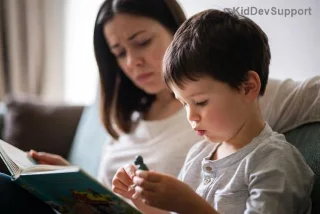
Imagine this: You're at a family gathering, and your child not talking draws unwanted attention. "Why isn't he speaking yet?" a relative asks. Your heart sinks, but you stay composed. If you've faced these speech delay comments, you're not alone. Every parent of a late talker has been there. This guide equips you with what to say when people comment on your child not talking, blending empathy, facts, and firmness to shut down judgment gracefully.
We'll cover mindset shifts, scripted responses, red flags for real concerns, and next steps. Stick around—these tools will transform awkward moments into confident wins. 🗣️

Why People Comment on Your Child Not Talking (And Why It Stings)
Nosy comments often stem from outdated myths or concern masked as advice. Many assume all kids hit speech milestones identically, but the latest guidelines from speech experts show wide variation. For instance, up to 20% of toddlers are late talkers who catch up naturally.
These remarks hurt because they question your parenting. They ignore factors like bilingual homes, ear infections, or personality. Recognizing this frees you to respond without defensiveness. Ready for comebacks? Let's dive in.
Master Your Mindset Before Responding
Before uttering a word, breathe. Remind yourself: You're the expert on your child. Comments reflect the speaker's ignorance, not your reality. Focus on facts—recent studies affirm most late talkers thrive without intervention.
- Deflect with humor: Lightens the mood.
- Share positives: Highlight strengths like gestures or understanding.
- Redirect: Shift to neutral topics.
This preparation ensures you stay calm, modeling resilience for your child.
25+ Ready-to-Use Responses: What to Say When People Comment on Your Child Not Talking
Here’s a curated list of polite, powerful replies categorized for every scenario. Use them verbatim or tweak to fit. We've formatted them in a handy table for quick reference.
| Situation |
Their Comment |
Your Confident Response |
| Family Gathering |
"He's almost 2 and not talking!" |
"Every child develops at their own pace. He's advanced in puzzles and loves music—speech will follow!" |
| Playgroup |
"Why so quiet? Mine was chatting at 18 months." |
"Kids are unique! We're working with gestures now, and he's understanding everything perfectly." |
| Stranger |
"Is she okay? No words yet?" |
"She's great—thriving and happy. Thanks for asking!" (Smile and walk away.) |
| Grandparent |
"In my day, kids talked early!" |
"Times have changed, and experts say variation is normal. We're monitoring with our pediatrician." |
| Teacher/Daycare |
"He's behind on talking." |
"Noted— we're consulting a speech therapist for tailored support." |
| Persistent Critic |
"You should worry more!" |
"Appreciate the concern, but professionals guide us. He's meeting other milestones beautifully." |
| Bilingual Home |
"Maybe it's the two languages?" |
"Bilingual kids often talk later but excel long-term. Studies back this up!" |
Pro tip: Pair responses with a smile or your child's toy to redirect attention. These shut down drama while educating subtly. Which one resonates most? Keep reading for when comments signal real action.
![Parent and child engaging in speech therapy exercises]()
When Speech Delay Comments Highlight Real Concerns
Not all speech delay comments are off-base. Know the signs to discern hype from help. Recent pediatric benchmarks (from trusted sources like the CDC) flag:
- No babbling by 12 months.
- No single words by 16 months.
- No 2-word phrases by 24 months.
- Limited eye contact or play skills.
If these apply, early intervention boosts outcomes by 70% per latest research. Don't wait—screenings are free in many areas.
Boosting Speech at Home: Practical Tips While Fielding Comments
Empower your late talker proactively:
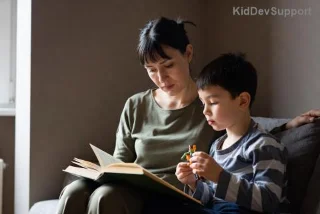
- Read daily: Point and narrate pictures.
- Narrate routines: "Now we wash hands!"
- Expand utterances: Child says "ba"? Reply, "Yes, ball!"
- Limit screens: Opt for interactive play.
- Sing and rhyme: Builds phonemic awareness.
Track progress with apps or journals. Share wins to preempt comments: "Look how he waves bye-bye!"
Seeking Expert Help: Your Next Steps
Consult a speech-language pathologist (SLP) if concerned. Early therapy is play-based and effective. Find providers via:
American Speech-Language-Hearing Association (ASHA) – Latest resources on toddler speech delay.
Or your pediatrician for referrals. Most kids respond quickly, turning "silent" phases into chatterbox eras. 💬
Final Thoughts: Own the Narrative on Your Child Not Talking
Armed with these responses and insights, what to say when people comment on your child not talking becomes second nature. You've got the facts, scripts, and strategies to protect your peace. Celebrate your child's unique path—many late talkers become eloquent adults.
Share your favorite comeback below or track one milestone this week. Your journey inspires others. Stay strong, parent—you're doing great! 🌟