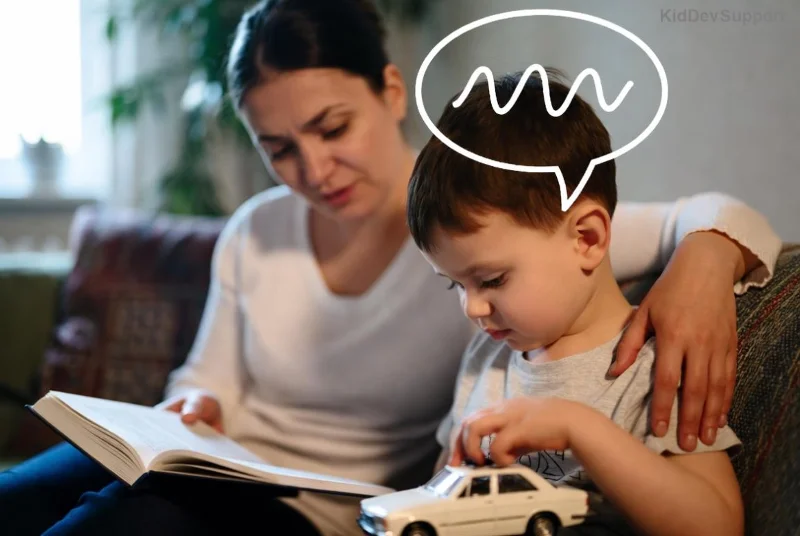
Is your child not babbling, pointing, or saying their first words on time? Speech delay in children affects up to 1 in 14 kids under age 3, sparking worry for many parents. But understanding the root causes of speech delay can empower you to act early. This guide breaks down the most common reasons with the latest insights, helping you spot signs and seek solutions. Stick around to learn actionable steps that could change your child's future. 👨⚕️
Understanding Normal Speech Development Milestones
Before diving into causes, know what's typical. Children hit speech development milestones at predictable stages. Delays occur when kids lag significantly behind peers.
| Age |
Milestone |
| 3-6 months |
Cooing, laughing, babbling |
| 7-12 months |
First words like "mama," gesturing |
| 12-18 months |
6-20 words, simple imitation |
| 18-24 months |
50+ words, 2-word phrases |
| 24-36 months |
200+ words, simple sentences |
Source: Latest guidelines from CDC. Missing these? It might signal speech delay in children. Keep reading for why this happens.
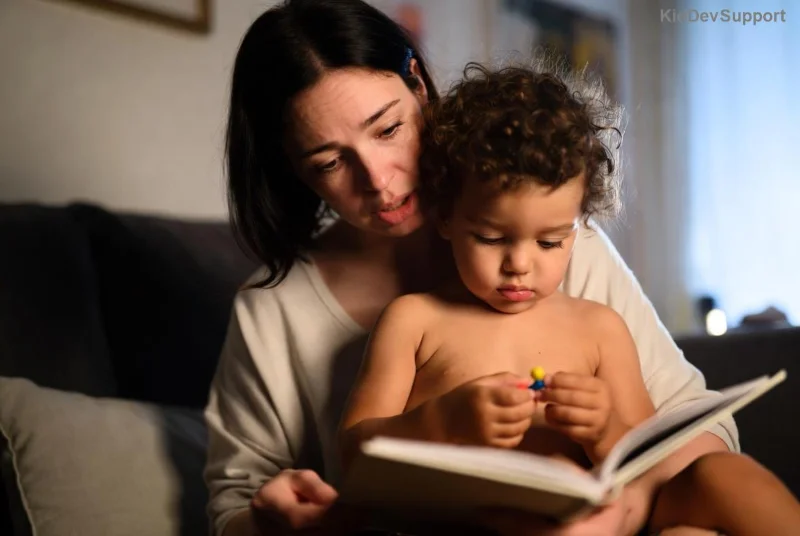
1. Hearing Loss: The Silent Culprit Behind Speech Delay
The most common cause of speech delay in children is hearing loss, impacting sound input needed for language learning. Recent studies show 2-3 per 1,000 newborns have permanent hearing loss, often undetected early.
- Types: Conductive (ear infections, fluid buildup) or sensorineural (inner ear damage).
- Signs: No response to sounds, quiet play, frequent ear tugging.
- Solution: Newborn screening catches 90%+ cases. Early hearing aids or cochlear implants restore progress.
Curious about other hidden factors? The next cause might surprise you.
2. Oral-Motor Disorders: When Mouth Muscles Lag
Oral-motor issues hinder articulation. Conditions like apraxia of speech or weak tongue/lip muscles make forming sounds tough.
- Common in: Kids with cerebral palsy or structural issues like tongue-tie.
- Latest data: Affects 1-2% of children with delays; therapy improves 70-80% outcomes.
- Spot it: Drooling past age 2, unclear babbling.
Therapists use exercises to strengthen muscles—simple yet effective.
3. Developmental Disorders: Autism and Beyond
Autism spectrum disorder (ASD) links to 20-30% of speech delays. Kids may understand but struggle with expression due to social communication challenges.
- Other links: Down syndrome, fragile X—genetic conditions slowing cognition.
- Early signs: Limited eye contact, no pointing by 12 months.
- Action: Screenings via tools like M-CHAT; interventions like ABA boost speech.
![Infant hearing test for early detection of speech delay causes]()
4. Bilingualism and Excessive Screen Time: Environmental Factors
Growing up bilingual? It can temporarily delay speech as kids process two languages, but they catch up by school age.
- Screen overload: Latest research warns excessive TV/devices before 18 months halves vocabulary growth.
- Fix: Limit screens to <1 hour/day; prioritize interactive talk.
But is your home environment stimulating enough? Let's explore more.
5. Prematurity and Low Birth Weight Risks
Preemies face higher speech delay odds due to immature brain development. Recent stats: 25-50% of very preterm infants show delays.
- Why: Brain injuries, prolonged NICU stays.
- Support: Follow-up therapies bridge gaps effectively.
6. Intellectual Disabilities and Neurological Issues
Global developmental delays often include speech delay in children. Conditions like ADHD or epilepsy disrupt processing.
- Prevalence: Tied to 10-15% of cases.
- Detection: Developmental pediatrician evaluations.
7. Lack of Stimulation: The Overlooked Cause
Minimal parent-child interaction starves language growth. Busy homes or limited reading/playtime contribute.
- Boost it: Narrate daily routines, read 20 mins/day—vocabulary soars 1.4 million words by kindergarten.
![Happy child overcoming speech delay through play therapy]()
When to Seek Help for Child Speech Delay
Red flags: No words by 18 months, loss of skills, frustration. Consult a pediatrician or speech-language pathologist (SLP) ASAP. Early intervention (before age 3) yields 5x better results per latest evidence.
Proven Ways to Support Speech Development at Home
- Read aloud daily. 📚
- Respond to gestures/attempts.
- Model clear speech slowly.
- Play turn-taking games.
- Avoid background noise.
These steps, combined with professional help, turn delays around. Imagine your child chatting confidently—it's possible!
Final Thoughts: Act Now for Brighter Futures
Speech delay in children isn't a verdict—it's a signal. From hearing loss to stimulation gaps, pinpointing causes of speech delay unlocks tailored fixes. Early action prevents long-term issues like reading struggles. Share your story below, consult an expert today, and watch progress unfold. Your child thanks you! 🌟