Imagine your toddler pointing excitedly at a toy or waving goodbye without saying a word. These child’s gestures aren't just cute—they're the foundation of communication. In early childhood, gestures matter more than words because they reveal your child's understanding and needs long before speech catches up. Recent studies from child development experts highlight that nonverbal communication in kids drives language growth, making it essential for parents to tune in.
This guide dives deep into why focusing on your child's pointing, clapping, and mimicking unlocks their world, helps spot delays early, and fosters stronger bonds. Ready to decode the silent signals? Let's explore.
The Power of Gestures in Child Development
Child’s gestures are the first language of the brain. From birth, babies use eye contact, smiles, and reaches to connect. By 12 months, most infants master 10-20 gestures, like showing objects or shaking their head "no." These actions prove cognitive milestones before words emerge.
Why so crucial? Gestures activate the same brain areas as speech, bridging the gap to verbal skills. Ignoring them misses vital insights into your child's social, emotional, and intellectual progress.
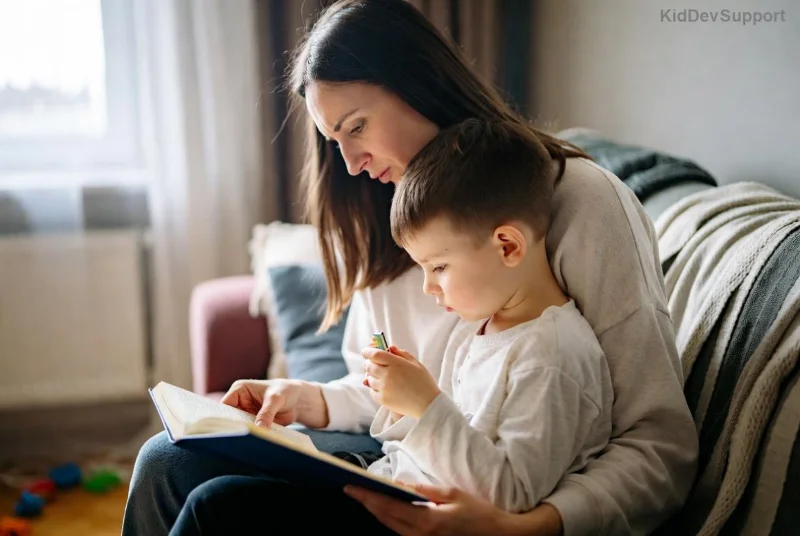
Why Gestures Matter More Than Words in Early Years
In the first two years, gestures precede words by months. A landmark insight from pediatric research shows that strong gesturers at 14 months speak their first words sooner and build larger vocabularies by age 4. Here's why:
- Gestures signal comprehension: Pointing means "I see and want that," showing joint attention—a predictor of language success. 👶
- They reduce frustration: Nonverbal cues let kids express needs without tears.
- Gestures boost brain connections: Recent neuroimaging confirms gestures sync motor and language centers.
Compare this to words: Speech requires precise muscle control and memory, lagging behind intuitive gestures.
Gestures vs. Words: Key Milestones
| Age |
Typical Gestures |
Typical Words |
| 6-9 months |
Reaches, waves, claps |
Babbling only |
| 10-12 months |
Points, shows objects, nods/shakes head |
1-3 words |
| 13-18 months |
Gives objects, gestures "more," "up" |
5-20 words |
| 19-24 months |
Combines gestures with words |
50+ words, 2-word phrases |
This table, based on the newest guidelines from trusted health authorities like the CDC, illustrates how gestures lead words.
Spotting Healthy Child Gestures: What to Watch For
Track these early childhood gestures to ensure your child is thriving:
- Deictic gestures (9-12 months): Pointing to share interest builds social skills.
- Iconic gestures (12-18 months): Mimicking actions like "eating" from a spoon shows imagination.
- Beat gestures (18+ months): Hand waves while talking emphasize rhythm.
If your child uses 5+ gestures by 12 months, they're on track for robust language. Celebrate with responsive play—mirror back their signals to reinforce learning.
![Child pointing and gesturing happily]()
Red Flags: When Child’s Gestures Signal Delays
Not all silence is golden. Limited gestures in child development can flag issues like speech delays or autism spectrum traits. Watch for:
- No pointing by 12 months 😟
- Fewer than 10 gestures at 16 months
- No showing objects by 18 months
Recent data from speech-language experts reveals 20-30% of late talkers also lag in gestures, raising risks for persistent delays. Act early: Consult a pediatrician if concerned. Early intervention, like gesture-focused therapy, yields 70% better outcomes per newest reviews from the American Speech-Language-Hearing Association (ASHA).
How to Boost Your Child’s Gestures at Home
Parents are the best teachers. Simple strategies amplify nonverbal communication in kids:
1. Model generously: Point and narrate: "Look, a bird! 🐦" Use exaggerated motions.
2. Respond immediately: If they reach, hand it over with enthusiasm.
3. Play gesture games: Pat-a-cake, Itsy Bitsy Spider—fun builds skills.
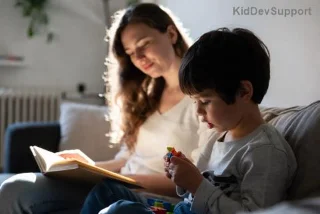
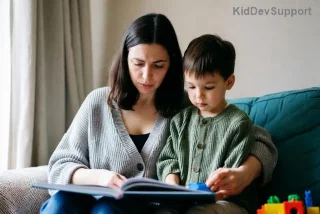
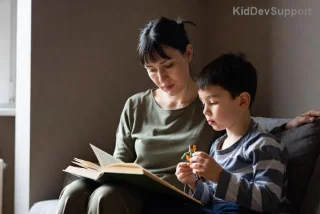
4. Read interactively: Point to pictures together.
Incorporate sign language basics like "milk" or "eat" for pre-verbal kids. Apps and books reinforce without overwhelming.
![Parent and child engaging in gestures]()
Long-Term Wins: Gestures Matter More Than Words for Lifelong Skills
Mastering child gestures vs words pays off big. Kids with rich gesture repertoires excel in school, empathy, and even academics. They become confident communicators, turning "wordless wonders" into eloquent storytellers.
One study of over 100 families found gesture-trained toddlers had 25% larger vocabularies by preschool. The ripple? Stronger family ties and fewer behavioral hiccups. 🌟
Final Thoughts: Start Decoding Today
Your child's pointing finger or joyful clap is a window to their mind—don't overlook it. By prioritizing child’s gestures, you supercharge development and catch issues early. Observe, respond, and play. Your little one's future thanks you.
What's one gesture your child loves? Share in the comments and keep the conversation going. For personalized advice, chat with your pediatrician. Stay tuned for more on early childhood gestures! 🚀