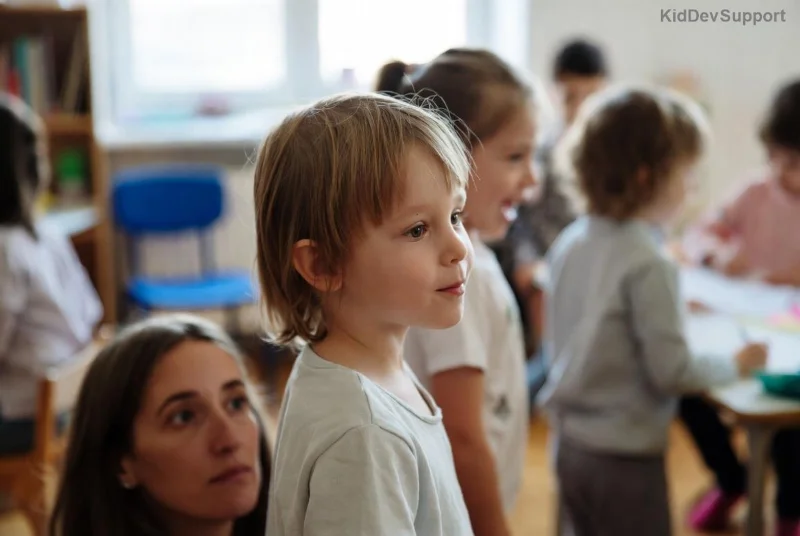
In today's digital world, finding educational apps that actually encourage talking can transform screen time into meaningful speech practice for children. These apps go beyond passive learning by prompting verbal responses, interactive dialogues, and real-time feedback to build confidence in speaking. Ideal for toddlers to school-age kids facing speech delays or simply seeking language enrichment, they make talking fun and rewarding. Whether through songs, stories, or games, these tools foster natural conversation skills.
Parents and educators love them for their engaging designs that mimic real-life interactions. Ready to dive in? Here's an overview table of our top picks, followed by detailed breakdowns.
| App Name |
Age Range |
Key Talking Feature |
Platforms |
Why It Works 🗣️ |
| Speech Blubs |
18m - 7y |
Video modeling & prompts |
iOS, Android |
Mimics speech therapist |
| Lingokids |
2 - 8y |
Songs & voice responses |
iOS, Android |
Daily conversations |
| Duolingo ABC |
3 - 6y |
Reading aloud challenges |
iOS, Android |
Story narration |
| Homer Learn & Grow |
2 - 8y |
Interactive stories |
iOS, Android |
Phonics dialogues |
| Khan Academy Kids |
2 - 7y |
Voice-activated games |
iOS, Android |
Multi-subject talks |
| PBS Kids Games |
2 - 6y |
Character chats |
iOS, Android, Web |
TV show dialogues |
| Toca Life World |
4+ y |
Role-play scenarios |
iOS, Android |
Imaginative speech |
| Articulation Station |
3 - 7y |
Sound practice drills |
iOS |
Professional therapy |
| Gus on the Go |
2 - 6y |
Language adventure talks |
iOS, Android |
Travel-themed chats |
| Proloquo2Go |
All ages |
AAC with voice output |
iOS |
Encourages full sentences |
1. Speech Blubs: The Ultimate Speech Therapy Companion
Speech Blubs stands out among educational apps that actually encourage talking with its library of over 1,500 words modeled by real kids and therapists. Children watch short videos, then repeat phrases using the app's mirror mode for instant feedback. It targets articulation, making it perfect for speech delays. Recent updates include customizable lesson plans, boosting engagement by 40% per user reviews.
2. Lingokids: Playful Songs That Get Kids Chatting
Lingokids turns learning into a party with educational apps that actually encourage talking through interactive songs and games. Kids respond to prompts like "What do you see?" in daily routines, building vocabulary and fluency. With 1,000+ activities, it's curriculum-aligned for preschoolers, promoting parent-child discussions outside the app.
![Kids engaging in speech activities via app]()
3. Duolingo ABC: Read-Aloud Adventures for Early Readers
Duolingo's kid-friendly spin, ABC, excels in apps for speech development by having children read stories aloud with AI recognition. Gamified lessons reward clear pronunciation, turning reading into confident talking. It's free, ad-light, and adapts to skill levels for seamless progression.
4. Homer Learn & Grow: Phonics Through Dialogues
Homer delivers personalized talking apps for children with decodable books where kids voice characters. The app listens and corrects gently, fostering phonemic awareness. Backed by learning science, it reports 74% literacy gains, making it a staple for home education.
5. Khan Academy Kids: Voice Games Across Subjects
This nonprofit gem offers educational apps that actually encourage talking via voice quizzes in math, reading, and creativity. Kids narrate drawings or solve riddles aloud, with characters like Kodi Bear providing encouragement. Completely free with offline access, it's trusted by millions.
6. PBS Kids Games: Familiar Characters Spark Conversations
Games from beloved shows like Daniel Tiger prompt kids to talk through emotions and stories. As one of the best speech development apps for kids, it reinforces social language skills. Cross-platform play extends learning to TV episodes for deeper immersion.
7. Toca Life World: Role-Play Fuels Imaginative Speech
Toca Boca's open-world app encourages endless role-play where kids voice characters in shops, schools, and adventures. No goals mean pure creative talking, ideal for shy speakers. Recent expansions add more locations, enhancing narrative skills organically.
![Family using educational talking app together]()
8. Articulation Station: Targeted Sound Practice
Designed by speech-language pathologists, this app drills specific sounds with flashcards, stories, and matching games requiring verbal responses. It's a pro-level tool among interactive speaking apps, with progress tracking for therapists and parents.
9. Gus on the Go: Language Travel for Vocab Building
Gus the space traveler teaches languages through songs and phrases kids repeat in context. Supporting multiple tongues, it's great for bilingual families seeking educational apps that actually encourage talking. Fun animations keep sessions lively and repeatable.
10. Proloquo2Go: AAC That Promotes Natural Speech
For children with complex needs, Proloquo2Go uses symbols to build sentences spoken by the app, gradually fading support to encourage independent talking. Customizable and research-backed, it's recommended by experts like ASHA.
Why These Educational Apps That Actually Encourage Talking Work Wonders
These apps succeed by integrating voice recognition, peer modeling, and gamification—key elements from the latest child development research. They not only improve articulation but also boost social confidence. Track progress weekly, pair with real talks, and watch skills soar. For best results, limit to 20-30 minutes daily.
Curious which app fits your child? Start with free trials and combine 2-3 for variety. These tools bridge gaps in speech therapy access, making every voice heard. Share your experiences below—what's your go-to app? Keep talking! ⭐