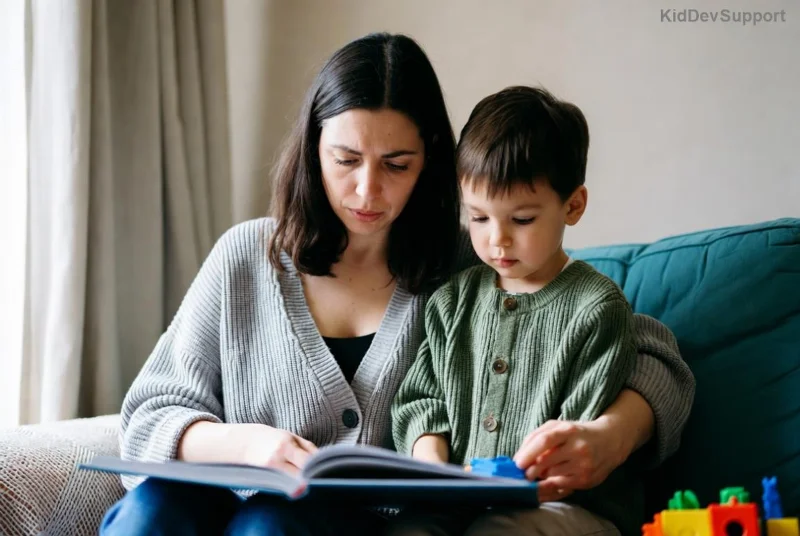
Is your child not talking as much as their peers? You're not alone. Speech delay concerns affect millions of parents, but misinformation spreads faster than facts. In 2026, with cutting-edge research from leading pediatric organizations, it's time to debunk the most common speech delay myths. This guide cuts through the noise, delivering actionable insights so you can support your child's language journey confidently. Stick around – we'll reveal when to worry and what to do next. 🩺

Myth 1: All Children Hit Speech Milestones at the Exact Same Time
Many parents panic when comparing their toddler to neighbors. But the latest guidelines show wide variation is normal. Children may say their first word between 12-18 months and form two-word sentences by 24 months. A speech delay is flagged only if skills lag significantly behind age expectations.
Fact: Individual pacing depends on personality, environment, and exposure. Track progress over months, not days. Early intervention works best if needed – more on that later.
Myth 2: Bilingual Homes Always Cause Speech Delay
A persistent myth claims exposing kids to two languages confuses them, leading to late talking. Yet, the newest studies confirm bilingualism boosts cognitive skills without delaying speech.
Fact: Bilingual children may mix languages temporarily (code-switching), but total vocabulary matches monolingual peers. Encourage both languages consistently. For evidence, check the American Speech-Language-Hearing Association (ASHA).
Myth 3: Excessive Screen Time Has No Impact on Speech Development
With tablets everywhere, parents hear "it's just entertainment." Latest pediatric reviews link high screen time (>2 hours daily for under-5s) to reduced parent-child interaction, a key driver of speech growth.
Fact: Screens replace vital face-to-face talk. Opt for interactive play instead. The American Academy of Pediatrics recommends zero screens for kids under 18 months, with limits thereafter.
| Myth |
Fact (Latest Research) |
| Boys always talk later than girls. |
Gender differences exist but are small. Monitor all kids equally. |
| If they understand you, speech will come naturally. |
Receptive language (understanding) can outpace expressive (talking). Delays in either warrant checks. |
| Thumb-sucking or pacifiers cause permanent delay. |
Prolonged use (>2 years) may affect articulation, but early weaning fixes most issues. |
Myth 4: Boys Are Naturally Slower Talkers – Just Wait It Out
Society says "boys will be boys," but ignoring potential issues risks missed opportunities. Recent data shows boys average slightly later milestones, yet 1 in 6 children face speech delay needing support.
Fact: Don't wait – early screening catches treatable causes like hearing loss. Pediatricians use tools like the Ages & Stages Questionnaire for quick assessments.
![Happy family engaging in speech-building activities at home]()
Myth 5: If Your Child Understands Everything You Say, No Need to Worry About Speech Delay
Receptive skills often develop first, fooling parents into complacency. But expressive delays can signal deeper issues like autism spectrum traits or oral-motor challenges.
Fact: Balance both. By age 2, most kids use 50+ words and simple sentences. If not, consult a speech-language pathologist (SLP). Latest teletherapy options make access easier in 2026.
Myth 6: Talking to Babies Too Much Overstimulates Them
Some believe constant chatter overwhelms little ones. Opposite is true: the more words babies hear (30 million by age 3), the richer their vocabulary.
Fact: Narrate daily activities – "Look, the red ball bounces!" Programs like CDC's Learn the Signs. Act Early provide free milestone trackers. Your voice is their best teacher. 😊
Myth 7: Speech Therapy Is Only for 'Severe' Cases – It Can Wait
Delaying help because "they'll catch up" is risky. Brain plasticity peaks early; intervention before age 3 yields 5x better outcomes.
Fact: Therapy is play-based, fun, and effective for mild delays too. In 2026, apps and AI tools complement SLPs, but professional eval is gold standard. Signs to act: no babbling by 12 months, limited gestures, or regression.
Speech Delay Red Flags and Action Plan for 2026 Parents
Ready to empower your child? Here's a quick checklist:
- No single words by 16 months? Screen hearing first.
- Frustration from not being understood? SLP eval.
- Family history of delays? Monitor closely.
Boost speech at home: Read daily, sing songs, limit screens, respond to gestures. Latest research emphasizes responsive parenting – mirror their sounds to build turn-taking.
Final Thoughts: Ignore the Myths, Embrace the Facts
Busting these speech delay myths arms you with truth. Most kids thrive with nurturing, but early action changes lives. Consult your pediatrician today – many regions offer free screenings. Your child's voice matters. Share this guide if it helped! What's your biggest worry? Comment below. 🌟
Insights drawn from the latest ASHA, CDC, and AAP guidelines. Always seek personalized advice from healthcare pros.