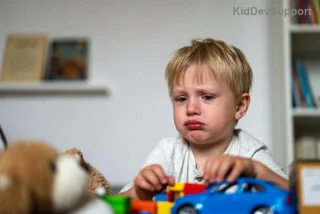
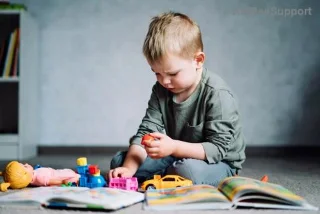
If your child is a late talker—typically a toddler around 2-3 years old who hasn't yet used many words—you might worry about their social interactions. Social greetings like "hi" and "bye" are foundational milestones. They open doors to friendships, build confidence, and ease everyday transitions. The good news? With targeted, playful approaches from the latest speech therapy research, you can guide your late talker toward these skills effortlessly.
This guide delivers concise, actionable steps to teach social greetings. Stick around for real-world activities, common pitfalls to avoid, and tips that keep kids engaged. Let's turn those waves into words! 😊
Understanding Late Talkers and Why Social Greetings Matter
Late talkers have age-appropriate understanding but limited expressive language. Recent studies emphasize early intervention through natural play, as it activates brain pathways for speech without pressure.
Social greetings aren't just polite—they signal emotional awareness and reciprocity. Mastering "hi" invites connection, while "bye" provides closure, reducing separation anxiety. For late talkers, these words bridge the gap to peer play and school readiness.
Step-by-Step Guide: How to Teach Hi and Bye Effectively
Follow this proven framework based on speech-language pathology best practices. Consistency is key—practice 5-10 minutes daily in real-life contexts.
Step 1: Model with Exaggeration and Repetition
Be the ultimate role model. Use big smiles, waves, and animated tones: "Hi, [child's name]! 🎉" Pair with gestures. Repeat 3-5 times per interaction. Late talkers imitate what they see and hear most.
Step 2: Use Visual and Tactile Cues
Point to pictures of people waving "hi" or waving goodbye. Create a simple cue card:
| Greeting |
Visual Cue |
Action |
| Hi |
😊 Smiling face with hand wave |
Wave high, say "Hi!" loudly |
| Bye |
👋 Waving hand |
Blow kiss or wave low, say "Bye!" |
Laminate for daily use. Touch their hand to guide the wave, building muscle memory.
Step 3: Incorporate Play-Based Activities
- Doll Play: Use stuffed animals. "Teddy says hi to Bunny!" Encourage your child to make them "talk."
- Doorway Drills: Every time you enter/leave a room, pause for "hi" or "bye." Make it a game with silly voices.
- Mirror Magic: Face a mirror together. Wave and say "hi" to your reflections. Laughter boosts retention!
![Toddler practicing hi and bye gestures]()
Step 4: Reinforce with Positive Feedback
When they attempt—even a sound like "hiii"—celebrate wildly: "Yes! Hi like a champ! 🏅" Avoid corrections; focus on success to build motivation.
Top 5 Engaging Activities to Teach Social Greetings to Late Talkers
- Puppet Shows: Puppets "arrive" for hi and "leave" with bye. Let your child control one puppet.
- Song Time: Adapt "If You're Happy and You Know It," add "Say hi, say hi!" Clap along.
- Video Calls: Practice with grandparents. Wave and greet on screen—tech makes it interactive.
- Park People-Watching: Spot strangers (safely) and whisper "hi" together. Real-world transfer!
- Goodbye Rituals: At bedtime or car rides, ritualize "bye-bye" with high-fives. Consistency cements it.
These activities, drawn from latest pediatric speech guidelines, leverage fun to spark natural speech.
Common Mistakes to Avoid When Teaching Late Talkers
Don't quiz or demand: "Late talkers thrive on low-pressure modeling, not tests." Skip screens initially; live interaction is superior per recent findings.
- ✅ Do: Keep sessions short and joyful.
- ❌ Avoid: Overloading with too many words at once.
Track Progress: A Simple Checklist
| Week |
Hi Attempts |
Bye Attempts |
Notes |
| 1 |
□ Gesture □ Sound □ Word |
□ Gesture □ Sound □ Word |
|
| 2 |
□ Gesture □ Sound □ Word |
□ Gesture □ Sound □ Word |
|
| 3-4 |
□ Gesture □ Sound □ Word |
□ Gesture □ Sound □ Word |
|
Most late talkers show gains in 4-6 weeks with daily practice.
When to Seek Professional Help
If no progress after consistent efforts, consult a speech-language pathologist (SLP). Early therapy yields 80% success rates in expressive language, per the American Speech-Language-Hearing Association. Look for signs like no gestures by 12 months or limited babbling.
Final Thoughts: Empower Your Late Talker Today
Teaching social greetings to late talkers is about connection, not perfection. Start small, stay consistent, and watch your child's world expand with every "hi" and "bye." You've got this—share your wins in the comments! Ready for more speech tips? Explore our guides on expanding vocabulary next. 🚀