Every parent eagerly awaits their toddler's first words, but what if they're not coming? If your little one is between 18–24 months and still mostly quiet, you might wonder: Is my toddler a late talker or is this a speech delay? Don't panic—many children catch up naturally. However, spotting speech delay signs early can make all the difference. This guide breaks down the latest milestones, red flags, causes, and actionable steps to help your child thrive. 👶
According to the most recent guidelines from trusted sources like the CDC and ASHA, understanding normal development versus delays empowers you to act confidently. Let's dive in.
Speech Milestones at 18–24 Months: What to Expect
By 18 months, most toddlers use 10–20 words and understand simple instructions. At 24 months, they combine 2 words into phrases like "want juice" and have a vocabulary of 50+ words. These are averages—every child develops at their own pace.
Here's a quick reference table of key speech milestones based on the latest pediatric standards:
| Age |
Typical Milestones |
Understands |
| 18 Months |
5–20 words (e.g., "mama," "ball"); points to objects |
Simple commands like "give me the toy" |
| 24 Months |
50+ words; 2-word phrases (e.g., "more milk") |
Questions like "What's that?"; follows 2-step directions |
If your toddler hits these, celebrate! But if not, read on for signs of speech delay.

7 Key Signs of Speech Delay in 18–24 Month Toddlers
Is your child a late talker? Watch for these common speech delay signs. Not all late talkers have delays, but persistent issues warrant attention.
- No words by 18 months: If your toddler isn't using any single words, this is a top red flag.
- Limited vocabulary: Fewer than 50 words at 24 months, or no new words in months.
- No 2-word combinations: By 24 months, phrases like "big dog" should emerge.
- Doesn't point or gesture: Lacks pointing to share interest or waving bye-bye.
- Poor understanding: Ignores simple questions or instructions they used to follow.
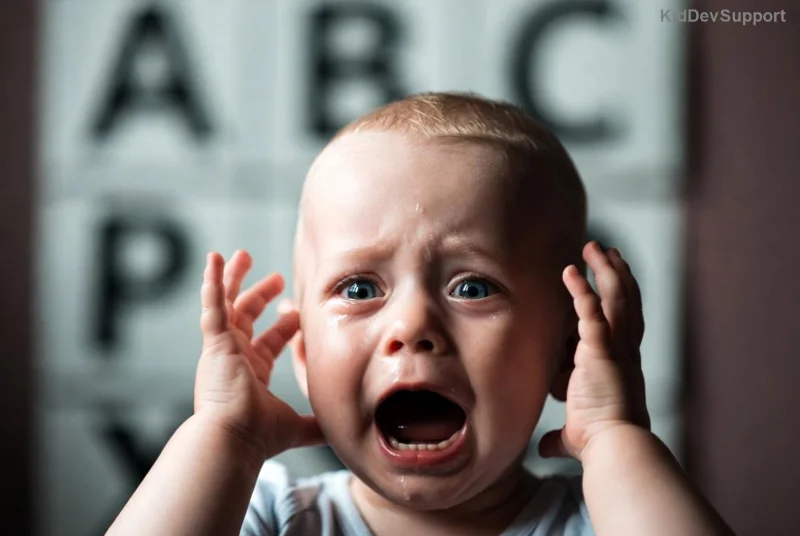
- Frustration or tantrums: Unable to communicate needs, leading to meltdowns 😠.
- Babbles but no real words: Sounds like talking but unclear or repetitive.
Bonus tip: Track progress with a journal. Note new words weekly—progress keeps you motivated!
Common Causes of Toddler Speech Delay
Speech delays aren't always random. Potential causes include:
- Hearing issues: Frequent ear infections block sound input. Get a hearing screen early.
- Developmental factors: Bilingual homes or being the youngest sibling can slow talking temporarily.
- Oral-motor challenges: Trouble with tongue/lip movement affects sounds.
- Autism spectrum or global delays: Speech lags alongside social or motor issues.
- Environmental: Limited talking time (too much screen vs. interaction).
For accurate info, consult the CDC's latest milestone tracker.
![Parent helping toddler with speech development]()
When to Seek Professional Help for Speech Delay
Act fast if you spot 2+ signs of speech delay at 18–24 months. Contact your pediatrician for:
- A full developmental screening 🩺.
- Hearing test.
- Referral to a speech-language pathologist (SLP).
Early intervention (before age 3) is free in many places via programs like Early Intervention. The latest studies show 70–80% of kids improve dramatically with therapy.
How to Support Your Late Talker at Home
While waiting for eval, boost speech daily:
- Read together: Point to pictures, name objects. 15 mins/day works wonders.
- Narrate life: "You're eating apple—yum!" Models language.
- Expand words: If they say "ba," reply "Yes, ball! Red ball."
- Sing and rhyme: Songs like "Wheels on the Bus" build sounds.
- Reduce screens: AAP recommends under 1 hour/day for 18–24 months.
- Play turn-taking: Roll a ball, say "your turn."
- Face-to-face talk: Get eye-level, exaggerate expressions.
These strategies, backed by ASHA's newest recommendations, turn playtime into speech therapy. Track wins to stay encouraged! 🌟
| Home Activity |
Why It Helps |
Frequency |
| Reading books |
Builds vocab + imagination |
Daily |
| Singing songs |
Improves rhythm + sounds |
2–3x/day |
| Imitate gestures |
Encourages imitation |
During play |
![Happy toddler talking with parent]()
Final Thoughts: Empower Your Toddler's Voice
Being a late talker doesn't define your child's future—early action does. Most with mild speech delays catch up by school age, especially with your support. Monitor milestones, try home tips, and consult pros if needed. You've got this! Share your story in comments—what worked for your toddler? 😊
For more resources, check ASHA's speech development guide. Stay informed, stay proactive.