👶 Raising a bilingual child is a gift, but spotting a potential speech delay in bilingual children can spark worry. Is it just the mix of two languages slowing things down, or something more? The good news: latest research shows bilingualism rarely causes true delays. Instead, it often leads to richer cognitive skills. But how do you tell normal bilingual speech development from a red flag? This guide breaks it down with facts, milestones, and actionable steps to keep your child thriving.

Understanding Normal Speech Milestones in Children
Every child develops at their own pace, but there are benchmarks. Speech delay in bilingual children gets flagged when kids fall significantly behind these. Here's a quick reference from pediatric guidelines:
| Age |
Monolingual Milestones |
Bilingual Expectations |
| 6-12 months |
Babbling, first words like "mama" |
Similar; may babble in both languages |
| 12-18 months |
5-20 words, simple gestures |
Total vocabulary across languages matches; code-mixing common |
| 2 years |
50+ words, 2-word phrases |
Combined vocab 50+; understands more than speaks |
| 3 years |
200-1000 words, short sentences |
Full sentences in one or both; fluency emerging |
| 4-5 years |
Clear speech, stories, questions |
Near-adult grammar; balanced if exposed evenly |
Note: These are averages. Bilingual kids might split vocabulary between languages, so count total words across both.
Does Bilingualism Cause Speech Delay?
No—it's a myth. Recent studies from speech pathology experts confirm bilingual children hit milestones at the same rate as monolingual peers when measuring total language exposure. The confusion arises from:
- Code-switching: Mixing languages (e.g., "I want agua" for water). Normal and smart!
- Silent period: Bilingual toddlers may listen more before speaking fluently.
- Uneven exposure: If one language dominates, the other lags temporarily.
A landmark review by the American Speech-Language-Hearing Association (ASHA) emphasizes: Bilingualism boosts executive function, not delays. If your child understands both languages but speaks less, it's often normal.
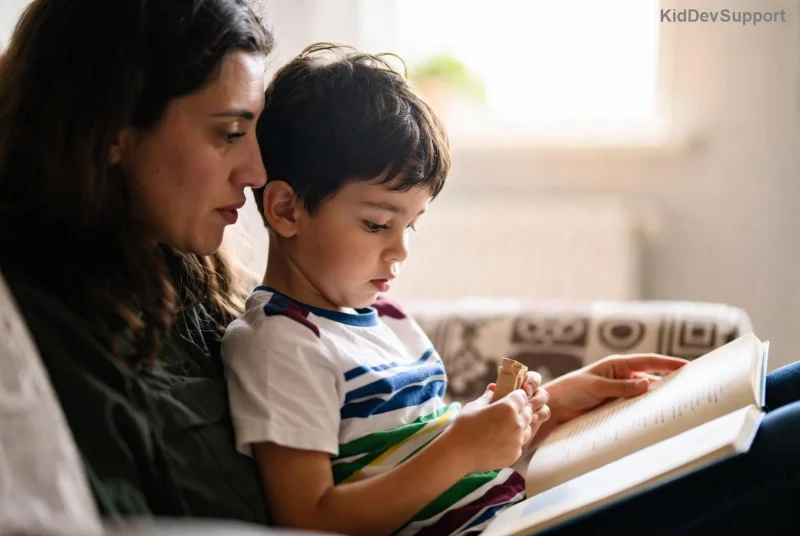
![Bilingual family reading books to child]()
Signs of True Speech Delay vs. Normal Bilingual Variation
Not all quiet phases signal trouble. Watch for these red flags in bilingual speech delay:
Red Flags (Seek Help Promptly ⚠️)
- No babbling by 12 months.
- Fewer than 50 total words by 2 years (across languages).
- No 2-word combos by 2.5 years.
- Loss of previously learned words.
- Limited eye contact or gesturing.
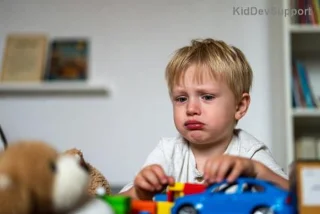
- Frustration leading to tantrums over communication.
Normal Bilingual Traits (Keep Encouraging 😊)
- Word mix-ups or inventions.
- Preference for one language initially.
- Strong comprehension but shy speaking.
- Slower in one language due to 50/50 split.
If red flags appear, consult a pediatrician or speech-language pathologist experienced in bilingualism. Early intervention works wonders—latest data shows 70-80% improvement with therapy.
Proven Strategies to Boost Speech Development in Bilingual Children
Empower your child without pressure. Here's a focused plan:
- Consistent Exposure: Aim for 30%+ quality time per language daily. Use "one parent, one language" or community immersion.
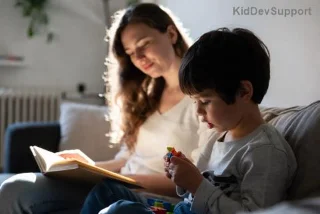
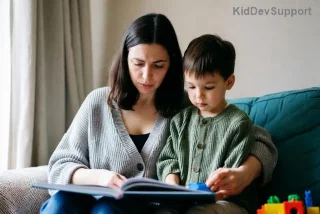
- Rich Input: Read books, sing songs, narrate daily routines in both tongues. Repetition builds vocab fast.
- Respond and Expand: Child says "ballo"? Reply, "Yes, the red ballo! Want to throw the red ball?" Models growth.
- Play Therapy at Home: Puppets, toys, and turn-taking games spark natural speech.
- Screen Time Smartly: Bilingual apps/videos (e.g., from PBS Kids) as supplements, not substitutes.
Track progress with a simple journal. Celebrate wins like new phrases—positive reinforcement accelerates gains! 🏅
![Child in speech therapy session smiling]()
When to Seek Professional Help for Bilingual Speech Delay
Don't wait if milestones are missed by 3-6 months. In the US, early intervention is free via programs like IDEA. Globally, check national health services. Bilingual therapists assess total language skills, not per language.
Recent guidelines from the Centers for Disease Control and Prevention (CDC) stress screening at well-child visits. Tools like the MacArthur-Bates Communicative Development Inventories have bilingual versions for accuracy.
Success Stories and Long-Term Benefits
Many bilingual families share triumphs: A child "delayed" at 2 fluently switches languages by kindergarten. Bilingualism enhances problem-solving, empathy, and career edges later. Your investment now pays lifelong dividends.
Final Thoughts: Empower Your Bilingual Child's Voice
Speech delay in bilingual children is rarely a barrier—it's often a phase in a multilingual journey. Monitor milestones, nurture with love, and act early if needed. You've got this! Share your story in comments below—what bilingual tips worked for you?
Ready for more? Bookmark this for milestones checklists and explore our guide on bilingual parenting hacks. Your child's words are waiting to bloom.