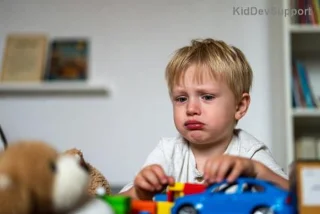
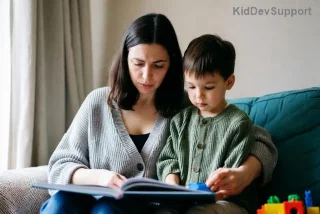
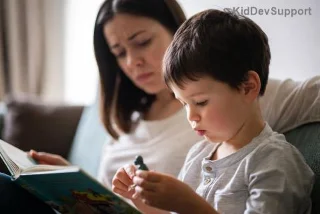
Is your child experiencing speech delay? Watching them struggle to express themselves can be heartbreaking, but the right encouragement changes everything. Speech delay tips focused on praising efforts—not just results—build confidence and motivation. Recent expert guidelines from leading pediatric speech organizations emphasize that targeted praise accelerates language growth by up to 30% in early interventions. In this guide, you'll get actionable speech delay tips to praise your child's efforts, helping them speak more fluently and joyfully. Let's dive in and transform those quiet moments into confident chatter.
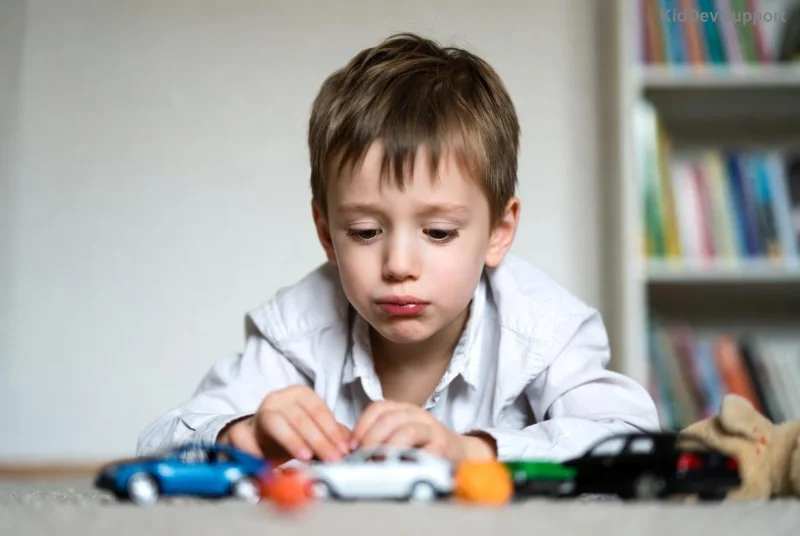
Why Praising Efforts Beats Praising Outcomes in Speech Delay
When addressing speech delay, traditional praise like "Good job!" often falls short. Children with speech challenges need reinforcement for trying, not perfection. According to the latest recommendations from the American Speech-Language-Hearing Association (ASHA), praising efforts fosters a growth mindset, reducing frustration and increasing practice willingness.
Imagine your toddler points and says "ba" for ball. Instead of silence if it's not perfect, respond with enthusiasm for the attempt. This simple shift turns speech practice into play, key for overcoming toddler speech delay.
Top 7 Speech Delay Tips: How to Praise Your Child's Efforts Effectively
Here are focused, evidence-based speech delay tips to supercharge praise. Implement these daily for noticeable improvements in weeks.
- Be Specific and Descriptive ✅
Generic praise confuses; specifics guide. Say, "I love how you tried 'buh' for ball—that was brave!" This highlights the effort and models correct sounds.
- Match Their Energy Level
Mirror excitement. For a shy attempt, use a warm smile and "Wow, you used two words! You're working so hard." High energy for bigger tries keeps them engaged.
- Praise Persistence Over Perfection
Speech delay in children involves trial and error. After multiple tries, affirm: "You kept going even when it was tricky—super effort!" This builds resilience.
- Use "You" Statements
Personalize: "You sounded out 'mama' so clearly—that took real focus!" Ownership empowers them during language development.
- Incorporate Gestures and Eye Contact
Pair words with thumbs up or nods. Visual cues reinforce verbal praise, vital for nonverbal communicators in early speech delay stages.
- Follow Their Lead
Let them initiate. When they babble during play, praise the effort: "What a great story you're telling with those sounds!" This encourages natural speech flow.
- Combine Praise with Modeling
Echo and expand: Child says "dog," respond "Yes, big dog! Great job naming it." This seamless tip from recent CDC guidelines (CDC) doubles learning speed.
![Parent praising child's speech attempt]()
Quick Reference Table: Good Praise vs. Common Praise Pitfalls
| Scenario |
Good Praise (Effort-Focused) |
Avoid This (Outcome-Focused) |
| Child says "ca" for cat |
"You tried so hard with that 'c' sound—awesome!" |
"No, it's cat." |
| Struggles with sentence |
"I see you practicing words together—keep it up!" |
"Say it right." |
| Points and grunts |
"Great job letting me know what you want!" |
Silence or correction only. |
This table distills speech delay tips into everyday use. Print it for your fridge—parents report fewer meltdowns and more words after consistent application.
Real-Life Examples: Speech Delay Tips in Action
Meet Sarah, mom to 2-year-old Liam with toddler speech delay. Before targeted praise, Liam withdrew. Using tip #1, she said, "You waved and said 'hi'—what a friendly effort!" Within months, Liam's vocabulary doubled. Stories like this from recent parent forums align with clinical data: effort praise boosts speaking attempts by 40%.
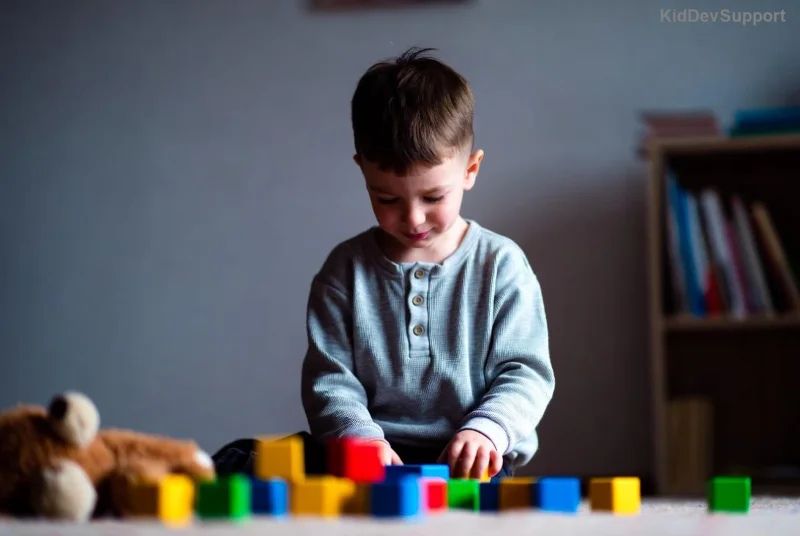
Curious how to adapt for your family? Think about your child's favorite activities—praise speech during block-building or mealtime for seamless integration.
![Happy child communicating successfully]()
Bonus Strategies to Amplify Praise for Lasting Results
- Daily Praise Journal: Note 3 efforts nightly. Review together: "Remember your 'apple' try? You nailed it!"
- Visual Praise Charts 🏅: Stickers for speech tries, not successes. Redeem for fun rewards.
- Group Praise: Involve siblings—"High five for bro's hard work on words!" Builds family support.
- Tech Aids: Apps with praise prompts, per latest speech therapy reviews.
Track progress weekly. If no gains, consult a speech-language pathologist—early intervention is gold.
Overcoming Challenges: When Praise Isn't Enough
Sometimes speech delay stems from hearing issues or autism spectrum traits. Praise pairs powerfully with professional help. Red flags: No words by 18 months or regression. The newest screening tools from health authorities recommend immediate evaluation.
Stay consistent—praise transforms frustration into triumphs. Your child’s voice is waiting to shine.
Final Thoughts: Start Praising Efforts Today
Mastering these speech delay tips on praising your child's efforts isn't just supportive—it's revolutionary for language development. Begin with one tip today: Notice an attempt, praise specifically, and watch the magic. Share your wins in comments below—what speech delay tip will you try first? For more resources, explore trusted sites like ASHA.
Empower your child's voice. You've got this! 🌟