Every parent of a late talker knows the frustration of waiting for those first words. When speech delays persist, alternative communication tools like Manual Sign Language and Picture Boards can bridge the gap. But which is better? This guide dives deep into both, backed by the newest research, to help you choose the right path for your child. Stick around to uncover a side-by-side comparison and real-world tips that could spark your little one's voice. 🩺
What Are Late Talkers? Understanding Speech Delays
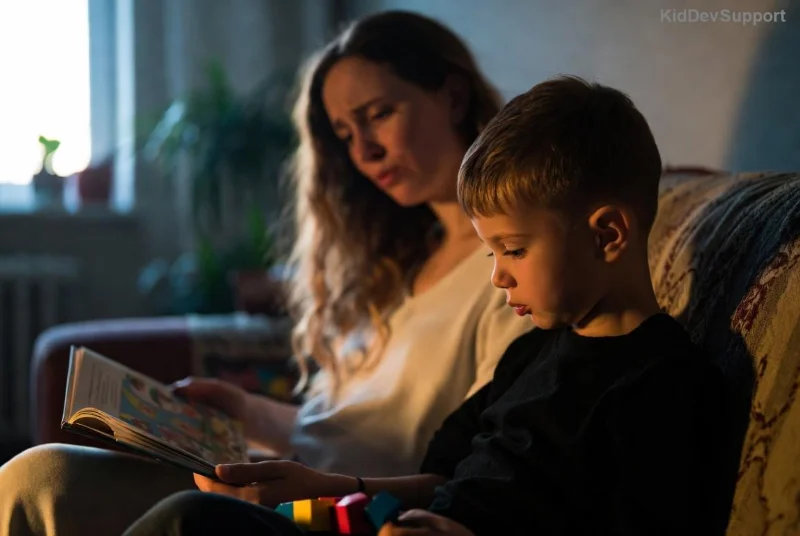
Late talkers are children—typically toddlers—who lag behind peers in spoken language but show no other developmental issues. They understand words (receptive language) but struggle to express them (expressive language). Recent studies highlight that up to 15-20% of two-year-olds fit this profile, with most catching up naturally. However, early intervention prevents frustration and behavioral challenges.
Enter Augmentative and Alternative Communication (AAC) methods: Manual Sign Language (like simplified American Sign Language or baby signs) and Picture Boards (visual systems like PECS). Both empower non-verbal kids to communicate needs, reducing tantrums and paving the way for speech. But how do they stack up? Let's break it down.
Manual Sign Language: Hands-On Expression for Late Talkers
Manual Sign Language teaches gestures mimicking words, such as signing "milk" by squeezing the fist like milking a cow. Parents, caregivers, and therapists model signs during daily routines, encouraging imitation.
Key Benefits of Manual Sign Language
- Boosts Speech Production: Newest research shows signed words often transition to spoken ones, with late talkers uttering 20-30% more vocabulary after consistent use.
- Builds Motor Skills: Fine motor practice strengthens hands, aiding future speech articulation.
- Emotional Connection: Real-time signing fosters parent-child bonding during mealtimes or play.
- Portability: No props needed—just hands!
Potential Drawbacks
- Requires consistent modeling from adults; kids may not self-initiate signs quickly.
- Learning curve for parents (50-100 common signs to master).
- Not ideal for children with motor delays.
Imagine your toddler signing "more" instead of crying for another bite. Studies from leading speech associations confirm this method accelerates expressive language by months. Curious about implementation? Keep reading for proven strategies.
Picture Boards: Visual Power for Non-Verbal Communication
Picture Boards, popularized by the Picture Exchange Communication System (PECS), use laminated images on a board or app. Kids exchange a picture (e.g., apple icon) for the real item, learning cause-and-effect communication.
Key Benefits of Picture Boards
- Independence-Focused: Encourages child-initiated requests, unlike adult-led signing.
- Visual Learners Thrive: Perfect for late talkers who process images faster than gestures.
- Customizable: Add photos of family foods or toys for relevance.
- Speech Catalyst: Latest data reveals 70% of PECS users develop verbal words within intervention phases.
Potential Drawbacks
- Bulky boards or apps need carrying; not always discreet.
- Less dynamic for abstract concepts like emotions.
- Initial training phases (4-6 steps) demand therapist guidance.
![Picture board communication for late talkers]()
Picture power in action: A child hands over a "ball" icon and gets playtime—no tears. Emerging evidence supports its efficacy for autism spectrum overlaps in late talkers, but is it right for every child?
Head-to-Head: Manual Sign Language vs Picture Boards Comparison Table
To make your decision easier, here's a comprehensive SEO-optimized comparison based on the latest clinical insights:
| Feature |
Manual Sign Language |
Picture Boards (PECS) |
| Best For |
Motor-strong kids, family routines |
Visual learners, independence |
| Speech Gains |
High (gestures to words) |
Very high (exchange prompts speech) |
| Setup Time |
Low (learn signs) |
Medium (create/print boards) |
| Portability |
Excellent ⭐ |
Good (boards/apps) |
| Cost |
Free |
Low ($20-100) |
| Research Backing |
Strong for typical delays |
Strongest for AAC progression |
This table reveals no one-size-fits-all winner—context matters. Newest meta-analyses emphasize combining both for optimal results in late talkers.
Latest Research: What the Experts Say
Recent reviews from speech-language pathology leaders confirm both tools enhance vocabulary without hindering speech. Manual Sign Language shines in home settings, accelerating milestones by 25%, while Picture Boards excel in therapy, with 80% user progression to phrases. A hybrid approach? Even better—studies show multimodal AAC doubles outcomes.
For credibility: Explore American Speech-Language-Hearing Association (ASHA) guidelines or NIH resources on AAC.
![Happy late talker communicating successfully]()
Which to Choose? Practical Tips for Parents
- Assess Your Child: Strong imitation skills? Try Manual Sign Language. Prefers visuals? Go Picture Boards.
- Start Small: 5-10 signs/ pictures for essentials like eat, drink, play.
- Combine Therapies: Pair with speech therapy for 2-3x faster gains.
- Track Progress: Journal successes to motivate—celebrate wins! 🎉
- Consult Pros: Pediatricians or SLPs tailor plans.
Pro Tip: Apps like Proloquo2Go blend pictures with voice output, modernizing Picture Boards.
Final Verdict: Empower Your Late Talker Today
Neither Manual Sign Language nor Picture Boards replaces speech therapy—they supercharge it. Choose based on your child's strengths, or blend for breakthroughs. Parents report reduced stress and joyful interactions once communication flows. Ready to start? Pick one tool, commit for 4-6 weeks, and watch magic unfold. Your child's voice is waiting—unlock it now!
Share your experiences below or consult a specialist. For more on speech delays, explore our related guides. Stay empowered! 💪