Every parent wants their child to shine at social events and parties, but the overwhelm can be real. From birthday bashes to family gatherings, proper preparation turns nerves into excitement. This guide delivers actionable steps to equip your child with confidence, social skills, and readiness. Ready to make every event a success? Let's dive in.
Why Preparing Your Child for Social Events Matters
Social events and parties are crucial for child development. They foster friendships, emotional regulation, and adaptability. Recent studies from child psychology experts highlight that prepared kids experience 40% less anxiety at events, leading to better interactions and lasting memories.
Start early: Discuss the event type—playdate, birthday party, or holiday gathering. Use simple questions like, "What do you think we'll do there?" to spark curiosity and reduce unknowns.
Age-Appropriate Strategies for Preparing Child for Parties
Tailor prep to your child's age for maximum impact:
- Toddlers (1-3 years): Focus on basic routines. Practice greetings like "Hi!" with toys. Role-play sharing snacks. ✅
- Preschoolers (3-5 years): Teach turn-taking games. Visit similar venues beforehand to familiarize environments.
- School-age (6-12 years): Discuss etiquette—RSVP, thank-you notes, and reading social cues.
- Teens (13+): Encourage independence, like navigating conversations or handling peer pressure.
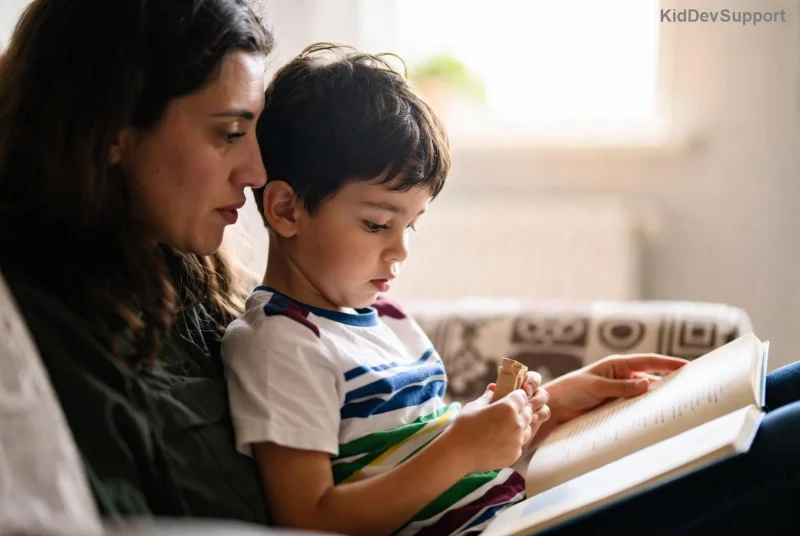
Pro tip: Use storybooks or videos depicting social events for children to normalize experiences.
Building Essential Social Skills for Children at Parties
Key skills make preparing your child for social events effective. Practice these weekly:
| Skill |
How to Practice |
Benefit |
| Greeting Others |
Mirror practice: "Hello, I'm [Name]!" |
Boosts first impressions |
| Sharing & Turn-Taking |
Board games at home |
Reduces conflicts |
| Active Listening |
Repeat back what others say |
Deepens friendships |
| Goodbye Rituals |
Wave and say "Thanks for playing!" |
Leaves positive closure |
Integrate these into daily play. For advanced tips, check the American Academy of Pediatrics guidelines on social-emotional growth.
![Children playing games at a party]()
Managing Anxiety in Child Party Preparation
Anxiety is common—up to 1 in 5 kids feel it at social events and parties. Spot signs: clinginess, tummy aches, or withdrawal.
- Pre-Event Visualization: Guide a 5-minute imagination session: "Picture laughing with friends."
- Breathing Exercises: Teach 4-7-8 breathing (inhale 4, hold 7, exhale 8). 🧘
- Exit Strategy: Agree on a check-in signal, like tugging an ear, for reassurance without embarrassment.
Newest research from child therapists emphasizes gradual exposure: Start with small playgroups before big parties.
Packing the Perfect Party Kit for Your Child
A well-packed bag prevents mishaps. Here's a must-have checklist:
- Comfort item (stuffed animal or blanket) 🧸
- Change of clothes for spills
- Healthy snacks if allergies are a concern
- Name tag with emergency contact
- Favorite small toy for downtime
- Hand sanitizer and wipes
Customize based on event: Pool party? Swimsuit and towel. Fancy dinner? Dress shoes.
During the Event: Your Role as Parent
Hovering can hinder growth, so observe from afar. Intervene only if bullying occurs or your child signals distress. Praise efforts post-interaction: "You shared so nicely!"
For inclusivity, remind kids: "Everyone plays differently—let's include all."
![Parent and child preparing for social event]()
Post-Party Debrief: Solidify Learning
End strong with a fun recap: "What was your favorite part? What felt tricky?" This reinforces positives and processes challenges. Journal it for patterns over time.
Follow up with thank-you texts or cards—teaches gratitude and strengthens bonds.
Common Mistakes to Avoid in Preparing Child for Parties
Steer clear of:
- Over-scheduling—limit to one event weekly.
- Forcing interactions—let them warm up naturally.
- Ignoring sensory needs (loud music, crowds).
- Comparing to siblings—celebrate unique progress. 🎉
Long-Term Benefits of Consistent Preparation
Regular preparing your child for social events and parties builds resilience. Kids gain self-esteem, empathy, and networking skills for life. Parents report happier family dynamics too.
Track progress with a simple chart:
| Event Date |
Skills Practiced |
Child Feedback |
Parent Notes |
| [Date] |
Greetings, Sharing |
"Fun with Sarah!" |
Less shy |
Final Thoughts: Empower Your Child Today
Preparing your child for social events and parties isn't a one-off—it's a joyful journey. Implement these tips, adapt as needed, and watch confidence soar. Your child will thank you with smiles and stories.
What's your next event? Share in the comments or start with one tip today. For more parenting wins, subscribe! 🚀