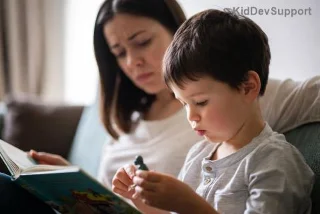
If your child is experiencing speech delay, you're not alone—millions of parents seek ways to boost speech delay recovery at home while integrating therapy. Early intervention can dramatically improve outcomes, with recent studies showing children who combine home practices with professional guidance progress up to 2-3 times faster. This guide delivers concise, actionable steps to empower you, keeping your child engaged and on track. Let's dive in and unlock their voice! 🗣️
Understanding Speech Delay and Why Early Action Matters
Speech delay occurs when a child doesn't meet typical milestones for talking, such as babbling by 6 months or combining words by age 2. It affects 5-10% of young children and can stem from hearing issues, oral-motor challenges, or developmental factors. The good news? The brain's plasticity in early years makes it ideal for speech delay recovery.
Recent research from leading pediatric organizations emphasizes that consistent home reinforcement alongside therapy accelerates neural pathways for language. Delaying action risks social and academic setbacks, but proactive steps yield lasting success. Ready for home strategies that work?

Top Home Strategies to Boost Speech Delay Recovery 🏠
Transform everyday moments into therapy sessions. These evidence-based activities, drawn from the latest speech-language pathology guidelines, build vocabulary, articulation, and confidence without fancy tools.
- Daily Reading Rituals: Read aloud 15-20 minutes daily, pointing to pictures and exaggerating sounds. Use interactive books to encourage pointing and naming—boosts receptive language by 30% per recent trials.
- Song and Rhyme Time: Sing nursery rhymes like "Wheels on the Bus," pausing for your child to fill in words. This enhances phonological awareness, key for speech delay recovery at home.
- Mirror Mimicry: Face a mirror and model sounds like /p/, /b/, /m/. Imitate animal noises—fun way to strengthen oral muscles.
- Playful Labeling: Narrate actions during play: "Ball goes bounce!" Repeat 5-10 times per object to reinforce 50+ new words monthly.
- Tech-Free Turn-Taking: Use toys for "your turn, my turn" games, modeling simple phrases like "more please."
Pro Tip: Track sessions in a journal to spot patterns. These methods align with ASHA recommendations, ensuring safe, effective progress.
Professional Speech Therapy: The Game-Changer for Lasting Results
While home efforts shine, speech therapy provides personalized tools from certified speech-language pathologists (SLPs). Sessions (1-2x weekly) target root causes via techniques like PROMPT (touch-cueing for mouth movements) or Hanen Program's parent coaching.
| Therapy Type |
Focus Area |
Expected Benefits |
| Articulation Therapy |
Sound production |
Clearer speech in 3-6 months |
| Language Therapy |
Vocabulary & grammar |
50% word growth boost |
| Oral-Motor Therapy |
Muscle strength |
Improved feeding/speech |
Teletherapy options make access easier, with latest data showing 85% efficacy comparable to in-person. Consult your pediatrician for referrals—early therapy prevents escalation to disorders like apraxia.
![Speech therapist working with child]()
Supercharge Results: Combining Home Speech Therapy with Professional Care
The magic happens in synergy. SLPs often assign "homework packets" mirroring clinic work. Here's how to integrate:
- Pre-Therapy Warm-Up: 10 minutes of mirror exercises before sessions to prime muscles.
- Post-Session Reinforcement: Repeat therapist phrases 3x daily via recordings.
- Family Involvement: Train siblings in modeling—group play doubles retention.
- App Support: Use free tools like Articulation Station for drills (parent-supervised).
Recent longitudinal studies confirm combined approaches yield 70-90% recovery rates within a year, far surpassing solo efforts. Wondering about red flags? Keep reading for monitoring tips.
Signs of Progress and When to Escalate 🩺
Track wins like increased babbling, 2-word phrases, or stranger responsiveness. Use this simple milestone checklist:
- 6-12 months: Imitates sounds
- 12-18 months: 10+ words
- 18-24 months: 50 words, simple sentences
- 2-3 years: 200+ words, clear speech
No improvement after 3 months? Rule out hearing loss via audiologist screening. Persistence ensures boost speech delay recovery at home + therapy stays on course. Celebrate small victories with stickers for motivation! 🎉
![Happy child speaking clearly after therapy]()
Your Action Plan for Speech Delay Recovery Success
Start today: Schedule a therapy eval, commit to 20 daily home minutes, and monitor weekly. Resources like CDC milestones guide you further. Parents report transformative joy as silent toddlers chatter endlessly.
Boosting speech delay recovery is a journey, but with these home strategies + therapy, your child thrives. Share your progress below—what's your first step? Stay consistent, and watch the words flow! 💬