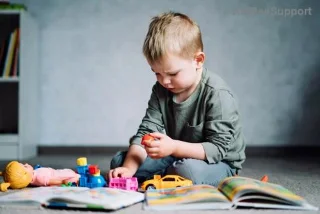
Imagine your little one diving into a world of textures, colors, and sounds, sparking curiosity and development with every scoop and pour. A sensory bin is the ultimate hands-on playground for toddlers and preschoolers, fostering fine motor skills, cognitive growth, and sensory exploration. If you're setting up your child's first sensory bin, you need the right essential tools to make it safe, engaging, and mess-minimal. This guide breaks down everything you need, step by step, so you can create magical playtime moments that keep kids hooked.

Why Sensory Bins Are a Game-Changer for Early Learning
Recent studies from child development experts highlight how sensory play enhances brain connections, improves language skills, and reduces stress in young children. A well-equipped sensory bin introduces safe textures like dry rice or smooth water beads, helping kids process sensations vital for growth. Start simple to build confidence—your child's first setup can transform screen time into tactile adventures.
1. The Foundation: Choosing the Perfect Sensory Bin Container
Your container is the heart of the setup. Opt for a sturdy, shallow plastic bin or under-bed storage box (at least 18x24 inches) that's easy to clean and lid-compatible for storage. Transparent lids let kids peek inside, building anticipation. Avoid deep buckets to prevent overwhelming spills.
- Pro Tip: Line with a waterproof mat 🛡️ for quick cleanup.
2. Essential Fillers: Textures That Captivate
Fillers provide the sensory core. Begin with non-toxic, large-particle options to minimize choking risks. Here's a starter list:
| Filler Type |
Sensory Benefit |
Best For Ages |
| Dry Rice or Oats |
Crunchy, pourable texture |
12+ months |
| Colored Pasta |
Visual pop, scooping fun |
18+ months |
| Water Beads |
Squishy, expandable magic |
2+ years (supervised) |
| Kinetic Sand |
Moldable, non-sticky |
18+ months |
Rotate fillers weekly to keep play fresh—watch your child's eyes light up with each new sensation!
![Variety of sensory bin fillers and tools]()
3. Sensory Bin Tools: Scoops, Tongs, and More
These essential tools turn pouring into purposeful play. Focus on child-sized, durable items:
- Measuring Cups and Spoons: Perfect for filling and dumping, teaching volume concepts.
- Tweezers or Tongs: Build pincer grip for self-feeding skills.
- Funnels and Strainers: Introduce cause-and-effect with sifting.
- Silicone Brushes or Spatulas: Safe for mixing wet fillers.
Shop affordable sets from trusted toy brands—prioritize BPA-free plastics. Add themed items like farm animals hidden in fillers for discovery hunts.
4. Fun Add-Ins to Elevate the Experience
Layer in small treasures for extended engagement:
- Pom-poms and sequins for visual sparkle ✨.
- Letters or numbers for pre-literacy.
- Natural elements like pinecones (washed) for real-world textures.
- Lights or bubbles for multi-sensory wow (use battery-operated for safety).
These keep sessions lasting 30+ minutes, as kids sort, hide, and create stories.
Safety First: Protecting Your Little Explorer 🛡️
Supervise all play. Choose fillers larger than 1 inch, avoid small loose parts for under-3s, and check for allergies (e.g., dyed rice). Use a play mat, wash hands post-play, and store in sealed bins to prevent pests. For latest guidelines, consult healthychildren.org.
![Safe sensory bin play setup for toddlers]()
Easy Setup and Storage Hacks
Assemble in 10 minutes: Layer filler 4-6 inches deep, bury tools, and invite play. Post-session, shake out excess, wipe down, and stack lids. Pro storage: Label bins by theme for quick swaps.
Ready to Dive In? Your Child's Sensory Journey Starts Now
With these essential tools for your child’s first sensory bin, you'll spark joy, learning, and bonding. Start small, observe preferences, and expand—soon, sensory play becomes a daily ritual. What's your first theme? Share in the comments and keep the fun rolling!
FAQ: First Sensory Bin Quick Answers
What age is best for a sensory bin?
From 12 months with supervision; customize for developmental stages.
How often should I refresh the sensory bin?
Weekly for hygiene, or daily for high-use homes.
Budget-friendly sensory bin tools sources?
Dollar stores for basics, online for themed kits—under $20 total!
Pin this for later and transform playtime today. Your child's senses await! 🌟