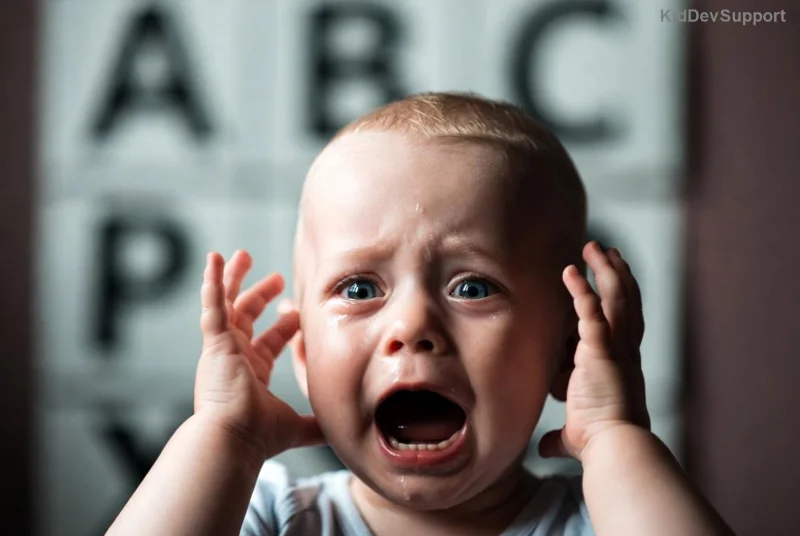
Imagine your quiet toddler suddenly chatting non-stop, stringing sentences together like a mini storyteller. That's the magic of the language explosion phase – a pivotal child language milestone that transforms babble into full-blown conversations. This burst isn't just cute; it's a cornerstone of cognitive, social, and emotional growth. In this guide, we'll break down everything parents need to know: what it is, when to expect it, signs it's happening, and proven ways to fuel the fire. Stick around to discover how to spot delays early and supercharge your little one's words.
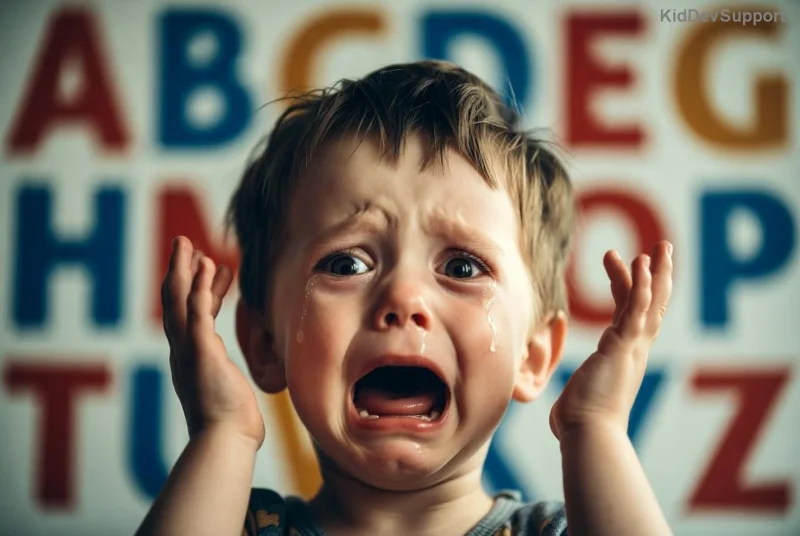
What Exactly is the Language Explosion Phase?
The language explosion, often called the vocabulary burst or vocabulary explosion in toddlers, marks a dramatic surge in a child's spoken words. Before this phase, toddlers might have 20-50 words. Afterward? Hundreds, plus the ability to combine them into simple phrases like "more juice please."
According to the latest guidelines from child development experts, this milestone reflects the brain's rapid wiring for grammar and meaning. It's not random – it's driven by neural connections strengthening through daily interactions. Think of it as your child's linguistic big bang: explosive growth that sets the stage for reading, school success, and even future career potential.
When Does the Language Explosion Typically Occur?
Most children experience this speech development milestone between 18 and 24 months, though every child is unique. Recent studies highlight that early talkers may ignite earlier, while others peak closer to age 2. The key? Consistent exposure to rich language environments accelerates it.
Watch for the tipping point: when new words pour out daily, not weekly. This phase often overlaps with the "naming explosion," where kids label everything in sight – from "doggy" to "big truck."
Key Signs Your Child is in the Language Explosion Phase
- Vocabulary boom: Adding 5-10+ words per day.
- Two-word combos: "Want ball," "Mommy go."
- Imitation mastery: Copying full phrases from you or books.
- Pronoun use: "Me do it!" emerges.
- Question asking: "What's that?" becomes relentless.
If you're seeing these, celebrate! Your child is hitting this exhilarating toddler speech development stride.
Why the Language Explosion Matters for Long-Term Success
This isn't just about chit-chat. A strong language explosion phase predicts better problem-solving, empathy, and academic performance. Latest research from pediatric authorities links early vocabulary to higher IQ scores and reduced behavioral issues later.
Conversely, missing this milestone can signal hurdles. Early intervention during this window yields the best outcomes – up to 70% improvement in speech delays with targeted support.
Child Language Milestones Comparison Table (Based on Latest Expert Guidelines)
| Age Range |
Expected Words |
Skills |
Red Flags |
| 12-18 Months |
10-50 |
Single words, pointing |
No words by 18 months |
| 18-24 Months (Explosion Peak) |
200-300+ |
2-3 word sentences, questions |
<50 words, no combos |
| 24-36 Months |
500-1000 |
Full sentences, storytelling |
Unclear speech, frustration |
This table empowers you to track progress. Use it as a roadmap – and consult pros if off-track.
![Supporting <strong>Toddler Vocabulary Burst</strong>: Parent-Child Reading Time]()
How to Nurture and Accelerate the Language Explosion
Parents are the ultimate language coaches. Here's your action plan:
Daily Strategies for Toddler Speech Development
- Read aloud daily: Interactive books spark 1.5 million new words by age 5. Favorites? Rhyming tales like "The Very Hungry Caterpillar."
- Narrate everything: "Look, the red car zooms fast!" expands context.
- Expand echoes: Child says "dog"? Reply, "Yes, the big brown dog barks loud!"
- Sing and rhyme: Songs build phonemic awareness effortlessly.
- Limit screens: Opt for face-to-face over passive viewing.
Incorporate play: Toy labeling games or "I spy" turbocharge the vocabulary explosion in toddlers. Recent tips from speech therapists emphasize responsive talking – reply to every utterance to build confidence.
Fun Activities Table for Boosting Words 🍼
| Activity |
Target Skill |
How to Do It |
| Picture Walks |
Labeling |
Point and name objects in photos/books |
| Puppet Shows |
Sentences |
Use toys to act out simple stories |
| Song Circles |
Rhythm/Phonics |
Sing nursery rhymes with actions |
Red Flags: When to Seek Help for Speech Delays
Not every child explodes on schedule. Watch for:
- Fewer than 50 words by 24 months.
- No two-word phrases.
- Loss of previously learned words 😟.
- Frustration or withdrawal from communication.
Early action is key. The latest protocols recommend screening by age 2. For trustworthy resources, check CDC Milestones or ASHA guidelines. Pediatricians can refer to speech-language pathologists (SLPs) for free evaluations in many areas.
Real Parent Stories: Triumphs from the Language Explosion
"My son went from 30 words to 250 in two months with daily reading," shares one mom. Another: "Therapy caught our delay early – now she's a chatterbox!" These wins prove support works wonders.
Final Thoughts: Ignite Your Child's Word Fireworks Today
The language explosion phase is your child's gateway to a world of expression. By spotting signs, using smart strategies, and acting on red flags, you empower their brightest future. Start today: Pick a book, narrate playtime, and watch the boom unfold. What's your toddler's favorite new word? Share in the comments – and keep the conversation going!
Ready for more? Explore our guides on child language milestones and potty training triumphs next. Your journey to super-parenting continues here.