As a new parent, nothing beats the thrill of hearing your little one's first gurgles turn into meaningful babble. But monitoring your baby’s first words and cooing isn't just about cute moments—it's key to ensuring healthy speech development. Early tracking helps spot potential delays, allowing timely intervention for optimal growth. In this guide, we'll break down everything you need to know, from recognizing cooing stages to celebrating those magical first words. Stick around for practical tips, milestone trackers, and expert-backed strategies to nurture your baby's voice.
What is Baby Cooing and Why Track It?
Baby cooing refers to those sweet, vowel-like sounds ("oooh," "aaah") babies make starting around 2 months. It's the foundation of language, signaling your infant's emerging communication skills. According to the latest pediatric guidelines from trusted sources like the CDC, consistent cooing shows your baby is practicing vocal cords and responding to your voice.
Why monitor? Early cooing predicts stronger language skills later. If your baby coos back during tummy time or face-to-face play, they're on track. Log these moments daily to chart progress—apps or simple notebooks work wonders.

Speech Development Milestones: From Cooing to First Words
Understanding timelines keeps you proactive. Here's a quick overview of key baby speech milestones based on the most recent developmental data:
| Age Range |
Milestone |
What to Watch For |
| 2-3 months |
Cooing begins |
Vowel sounds during calm interactions; responds to your voice with smiles |
| 4-6 months |
Babbling starts (ba-ba, da-da) |
Repeats sounds, laughs, mimics pitches |
| 7-9 months |
Varied babbling |
Jargon-like chatter, gestures like pointing |
| 10-14 months |
First words emerge |
1-3 clear words like "mama" or "dada" with meaning |
| 15-18 months |
Vocabulary grows |
10+ words, simple two-word phrases |
This table is your go-to milestone tracker. Mark achievements weekly. Variations are normal, but consistent monitoring spots outliers early.
Step-by-Step: How to Monitor Your Baby’s First Words and Cooing
- Daily Listening Sessions: Set aside 10-15 minutes for undivided attention. Talk, sing, and pause to let them respond. Note sound variety and frequency.
- Use a Progress Journal: Record dates, sounds, and contexts. Example: "3 months: Cooed 'goo' during song." Free apps like Baby Tracker simplify this.
- Video Evidence: Film interactions weekly. Review for patterns—does your baby imitate you? Share with pediatricians at checkups.
- Interactive Play: Mirror sounds back. If they coo "ahh," echo it. This builds turn-taking, crucial for first words.
- Screen Time Check: Limit to educational content; prioritize human interaction for authentic cooing development.
Pro tip: Respond enthusiastically every time. This reinforces their efforts, accelerating progress toward baby’s first words.
![Parent interacting with baby to encourage speech]()
Red Flags: When to Worry About Speech Delays
Not all babies hit milestones identically, but watch for these signs per the latest AAP recommendations:
- No cooing by 4 months.
- No babbling by 7 months.
- No first words by 15 months.
- Limited eye contact or gesturing.
- Loss of previously gained skills (regression).
If you spot these, consult your pediatrician promptly. Early therapy, like speech-language pathology, yields the best outcomes. Tools like the ASQ (Ages & Stages Questionnaire) help screen at home—download from reliable sites.
Fun Activities to Boost Cooing and First Words
Turn monitoring into playtime with these evidence-based activities:
1. Peek-a-Boo Power: Builds anticipation and vocal responses. Vary your voice for imitation practice.
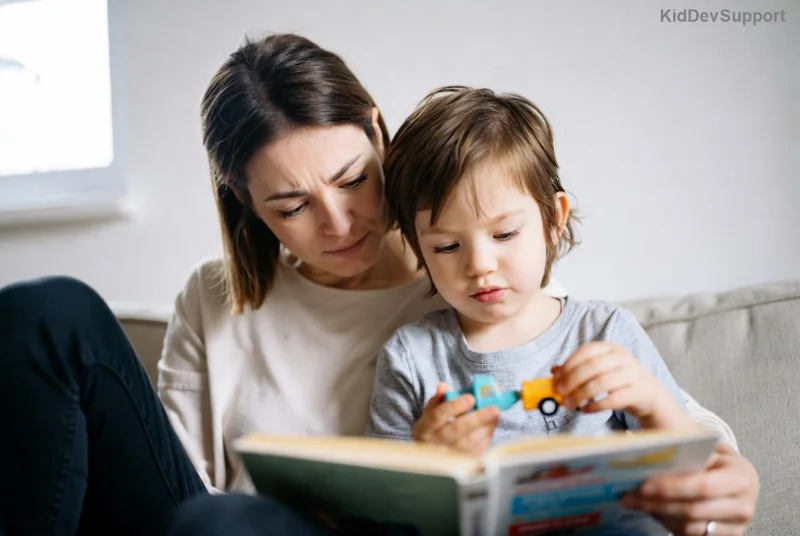
2. Book Bonding: Read board books daily, pointing to pictures. Describe vividly to link sounds to meanings.
3. Music Magic: Sing nursery rhymes. Babies love rhythm—expect more cooing during melodies.
4. Mirror Play: Face a mirror together. Babies coo at their reflections, boosting self-awareness and sounds.
5. Puppet Pals: Use soft toys to "talk." This encourages back-and-forth babble.
Incorporate these daily, and you'll see baby speech development soar. Track improvements in your journal to stay motivated.
![Baby reaching speech milestone with parent]()
Tools and Tech for Modern Parents
Leverage the latest apps for effortless tracking:
- Baby Connect: Logs sounds, shares with co-parents.
- CDC Milestone Tracker: Official app with reminders and videos.
- Ela Ella: AI analyzes cries and coos for insights.
For bilingual homes, expose to both languages early—research shows it enhances brain flexibility without confusion.
Expert Advice: Partnering with Professionals
Regular well-baby visits are non-negotiable. Share your journal with your doctor. If needed, early intervention programs (free in many regions) provide specialized support. Remember, most "late talkers" catch up, but monitoring ensures no underlying issues like hearing loss slip by.
Final Thoughts: Celebrate Every Sound
Monitoring your baby’s first words and cooing empowers you as a parent. From joyful coos to triumphant "mama," every step is a victory. Stay consistent, responsive, and informed—you're laying the groundwork for a lifetime of communication. Got questions? Consult your pediatrician or join parent forums for support. Your baby's voice is emerging—keep listening, and watch the magic unfold!
Ready to dive deeper? Bookmark this guide and revisit as your little one grows. Share your cooing stories in the comments below!