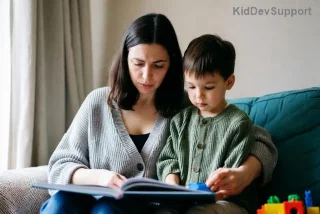
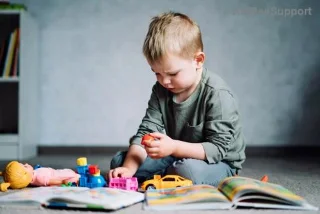
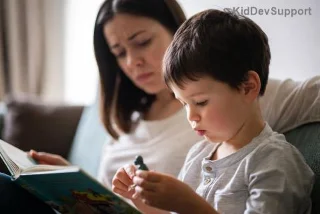
Imagine your little one babbling away, and suddenly, they're echoing your sounds back with glee. That's the magic of imitating your baby. This simple, joyful interaction isn't just play—it's a powerful tool to jumpstart their talking. Parents often wonder how to spark those first words. The answer lies in mirroring your baby's coos, gestures, and expressions. Backed by the newest research from child development experts, this method builds essential neural pathways for language. Ready to turn playtime into a speech-boosting adventure? Let's dive in.
The Science Behind Imitating Your Baby and Speech Development
At the core of baby speech development is imitation—a natural process wired into every infant's brain. When you copy your baby's gurgles or waves, you activate mirror neurons, the brain cells responsible for learning through observation. The newest studies from leading pediatric organizations highlight how this reciprocity fosters turn-taking, a foundational skill for conversation.
During the first year, babies progress from cooing to babbling. Imitating your baby accelerates this by creating a feedback loop: they vocalize, you echo, they repeat with more complexity. This mirrors real dialogues, teaching rhythm, pitch, and social cues. Experts note that consistent imitation can advance language milestones by weeks or months, reducing risks of delays.
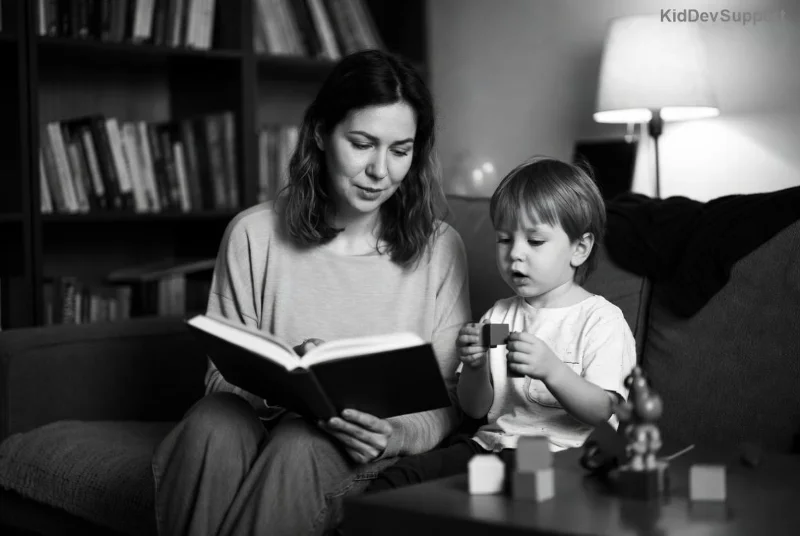
How to Imitate Your Baby Effectively: Step-by-Step Guide
Getting started is easy and fun. Follow these practical steps to jumpstart their talking without overwhelming your routine:
- Observe Closely: Tune into your baby's sounds—'ba-ba', squeals, or raspberries. Match the exact tone and volume.
- Pause and Respond: After imitating, wait 3-5 seconds. This builds anticipation and encourages them to 'reply'.
- Add Gestures: Pair sounds with claps or waves. Babies learn multisensory connections faster.
- Keep Sessions Short: 5-10 minutes, 3-4 times daily. Consistency trumps duration.
- Use Face-to-Face: Eye contact amplifies bonding and learning.
Pro Tip 🍼: Record sessions to track progress. You'll see babbling evolve into word approximations quickly.
Key Benefits of Imitating Your Baby for Language Milestones
Why prioritize this? The payoffs are transformative:
- Faster First Words: Babies imitated regularly hit milestones like 'mama' earlier.
- Stronger Social Bonds: Builds trust, making them more vocal.
- Reduced Speech Delays: Early intervention via play prevents common issues.
- Enhanced Cognitive Growth: Boosts problem-solving and memory.
Baby Language Milestones Boosted by Imitation
| Age Range |
Typical Milestone |
Imitation Boost |
| 0-3 Months |
Cooing & Smiles |
More varied sounds |
| 4-6 Months |
Babbling Chains |
Turn-taking patterns |
| 7-12 Months |
First Words |
Jargon to real words |
This table shows how targeted imitation aligns with natural progression, per the latest guidelines from trusted sources like the American Speech-Language-Hearing Association.
Common Mistakes to Avoid When Trying to Jumpstart Their Talking
Not all imitation works equally. Steer clear of:
- Overcorrecting: Don't say 'No, it's "ball"'. Echo first, expand later.
- Ignoring Cues: If they're fussy, pause—happy babies talk more.
- Screen Time Over Interaction: Devices can't imitate back.
- Inconsistency: Sporadic efforts yield slow results.
Stick to joyful, responsive play for the best outcomes. 😊
![Parent and baby engaging in imitation play to enhance talking]()
Real-Life Success Stories from Parents
Meet Sarah, a mom whose 8-month-old rarely babbled. After two weeks of daily imitation, her baby started chaining sounds like 'da-da-ga'. "It was like flipping a switch," she shares. Similarly, countless parents report doubled vocabulary by age one. These stories underscore: imitating your baby delivers real, measurable gains in jumpstart their talking.
When to Seek Help for Speech Delays
Most babies thrive with imitation, but watch for red flags: no babbling by 6 months, limited gestures, or no words by 12 months. Consult a pediatrician or speech therapist early. Resources like the CDC's Act Early provide free screening tools. Early action, combined with imitation, often resolves issues swiftly. 🏆
Final Thoughts: Start Imitating Today for Tomorrow's Chatterbox
Imitating your baby isn't just a trick—it's a gateway to fluent communication. By mirroring their world, you invite them into yours, accelerating speech and strengthening your bond. Begin with one coo today, and watch the words flow. Your baby's voice is waiting—will you echo it? Share your experiences below and keep the conversation going!