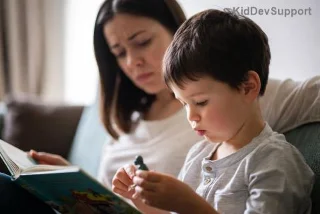
Is your little one struggling with words while peers chatter away? Speech delay affects millions of children, but you don't need expensive therapy sessions to help. With consistent home efforts, many parents see remarkable improvements. This guide shares the latest, evidence-based strategies to improve speech delay at home – from interactive games to daily routines. Ready to spark your child's first clear sentences? Let's dive in.
Understanding Speech Delay: Signs and Why Home Fixes Work
Speech delay occurs when a child doesn't meet typical milestones, like saying 50 words by age 2 or forming simple sentences by 3. Latest research from pediatric experts highlights causes like limited interaction or environmental factors – not always a deeper issue. The good news? Early home interventions can boost vocabulary by up to 30% in months, per recent studies.
Key signs include:
- Not babbling by 12 months
- Limited words at 18-24 months
- Difficulty being understood by age 3
Home strategies shine because they build confidence through fun, repetitive practice. No tools required – just your time and love. Curious how reading alone transforms speech? Keep reading.
1. Read Aloud Daily: The Foundation of Speech Delay Improvement
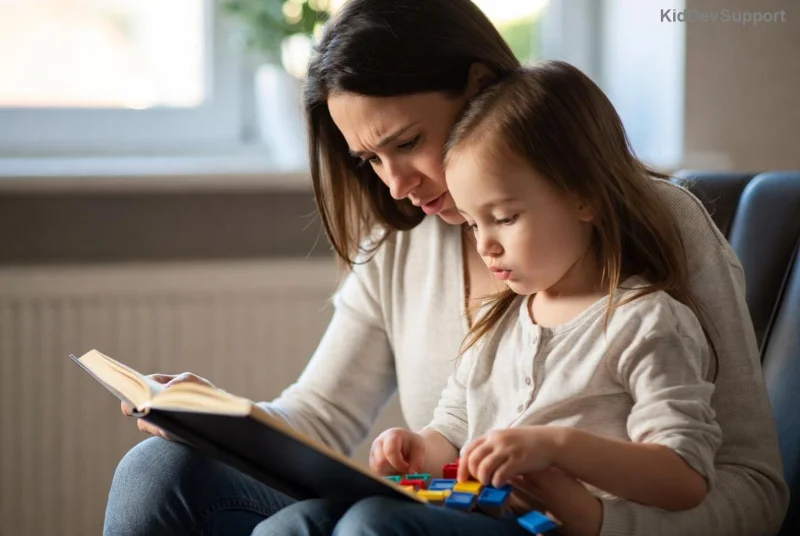
Reading isn't just bedtime routine; it's a powerhouse for improving speech delay at home. Point to pictures, exaggerate sounds, and pause for your child to fill in words. Latest guidelines from child development specialists recommend 15-20 minutes daily.
Pro Tips:
- Choose books with rhymes and repetition (e.g., "Brown Bear, What Do You See?").
- Ask open questions: "What color is the apple?"
- Mimic animal sounds to encourage imitation.
Parents report clearer articulation after 4-6 weeks. Track progress with a simple journal.
2. Sing Songs and Nursery Rhymes for Rhythm and Repetition
Songs wire the brain for language patterns. Classics like "Twinkle Twinkle" or "Old MacDonald" help with phonics and memory. Recent audio-learning studies show singing increases word recall by 22%.
Make it interactive:
- Clap along to beats for motor-speech sync.
- Fill-in-the-blanks: "The itsy bitsy spider climbed up the..."
- Use hand puppets for engagement 🧸.
![Family singing songs to improve speech]()
3. Play Imitation Games: Mirror and Copy for Quick Gains
Imitation is how babies learn speech naturally. Turn it into games like "Simon Says" or face mirroring. Latest pediatric insights emphasize this builds neural pathways for sound production.
Easy Games to Try:
| Game |
How to Play |
Speech Benefit |
| Mirror Me |
Make faces/sounds; child copies. |
Improves articulation. |
| Echo Talk |
Say a word; child repeats. |
Boosts vocabulary. |
| Animal Sounds |
Roar like a lion; match toys. |
Enhances phonemes. |
Do 10 minutes daily for noticeable fluency jumps.
4. Narrate Everyday Activities: Turn Routines into Speech Lessons
Describe actions constantly: "Now we're washing hands – scrub, scrub!" This models full sentences. New home-based studies confirm narration expands grammar skills faster than isolated drills.
Target meals, baths, and walks. Use simple phrases first, then build complexity. Your child will echo back naturally.
5. Optimize Nutrition for Brain and Speech Development
What kids eat fuels speech. Latest nutritional research links omega-3s, iron, and probiotics to better language processing.
Top Foods:
- Fatty fish or walnuts for brain health 🥜
- Leafy greens for iron
- Yogurt for gut-speech link
Avoid excess sugar, which hinders focus. Hydration matters too – aim for 4-6 cups water daily.
![Healthy foods to support speech development]()
6. Create a Speech-Friendly Environment
Reduce screen time to under 1 hour daily (per latest AAP guidelines: AAP.org). Fill space with toys that prompt talk: blocks for naming colors, puzzles for instructions.
One-on-one time trumps group play initially. Limit background noise for better listening skills.
7. Track Progress and Stay Consistent
Use a chart to log new words weekly. Consistency is key – 20-30 minutes daily yields results. Celebrate small wins with hugs 😊.
Sample Weekly Schedule:
| Day |
Morning Activity |
Afternoon Activity |
Evening Wind-Down |
| Mon-Wed |
Reading |
Songs |
Narration |
| Thu-Sat |
Imitation Games |
Play with Toys |
Books |
| Sun |
Review Progress |
Outdoor Narration |
Family Sing-Along |
When Home Efforts Aren't Enough
Most kids respond well, but monitor milestones. If no progress by 3 years, consult a pediatrician. Home strategies complement, not replace, pro advice when needed.
Final thought: Patience pays off. Thousands of parents have turned speech delay around at home. Start today – your child's voice awaits! Share your wins in comments below 👏.