In bilingual households, watching your child navigate two languages can be thrilling—yet concerning if speech delay signs appear. Recent studies show bilingual children often reach language milestones slightly later but catch up fully with the right support. This guide delivers actionable speech delay tips for bilingual families, helping you foster confident communication without overwhelming your routine. Stay tuned for practical strategies that keep your little one chatting happily. ✅
Understanding Speech Delay in Bilingual Children
Bilingual kids process twice the vocabulary, which can temporarily slow expressive speech. Latest research from speech-language experts confirms this isn't a true delay but a bilingual advantage in cognitive flexibility. Key signs include:
- No babbling by 12 months.
- Fewer than 50 words by 24 months.
- Difficulty combining words by 30 months.
However, bilingual children mixing languages (code-switching) is normal and not a delay indicator. Early awareness empowers parents—read on for targeted speech delay tips for bilingual families.
Top Speech Delay Tips for Bilingual Families: Build a Strong Foundation
Consistency is key in multilingual homes. Here are evidence-based strategies to accelerate progress:
1. Adopt the One-Person-One-Language (OPOL) Method
Assign each parent or caregiver a single language. This clarity reduces confusion and boosts fluency. Recent guidelines from leading pediatric associations endorse OPOL for optimal results.
2. Maximize Daily Exposure Through Play
Incorporate both languages into fun activities like singing nursery rhymes or playing with toys. Narrate actions: "The red ball bounces!" in Language A, then repeat in Language B. Aim for 30 minutes daily per language.
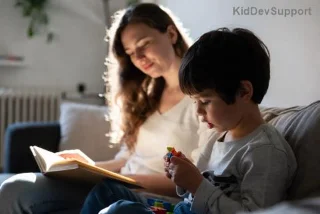
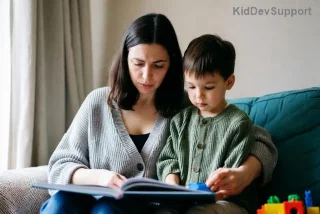
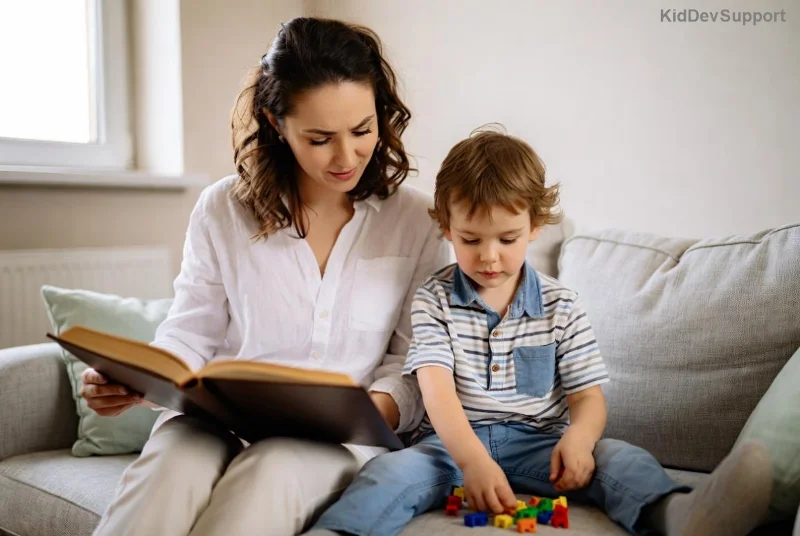
3. Read Aloud Every Day
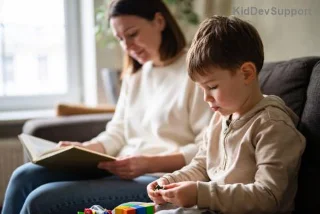
Picture books expose kids to rich vocabulary. Alternate languages during sessions. Studies highlight reading as the #1 booster for bilingual speech development.
![Family reading books to bilingual toddler]()
4. Encourage Imitation and Response
Pause after speaking, giving space for your child to mimic. Respond enthusiastically to their attempts, even if mixed. This builds confidence without pressure.
Age-Appropriate Milestones for Bilingual Kids: A Quick Reference Table
| Age |
Monolingual Milestone |
Bilingual Adjustment |
Speech Delay Tips for Bilingual Families |
| 12 months |
First words |
May start 1-2 months later |
Increase babble games |
| 24 months |
50+ words, 2-word phrases |
Total across languages |
Use OPOL consistently |
| 36 months |
Full sentences |
Code-switching normal |
Read diverse books |
This table demystifies expectations. Track progress weekly—what small win will you celebrate next?
Advanced Strategies: Screen Time, Nutrition, and Beyond
Limit passive screen time to under 1 hour daily; opt for interactive apps in target languages. Nutrient-rich foods like avocados and berries support brain development for speech. Recent nutritional research links omega-3s to faster language gains.
Social Interaction Boosters
Playdates with same-language peers accelerate skills. Join bilingual parent groups for shared tips and motivation.
![Bilingual children playing and talking]()
When to Seek Professional Help for Speech Delay
Monitor closely—if no improvement after consistent speech delay tips for bilingual families, consult a specialist. Red flags: No words by 18 months or loss of skills. Early intervention via speech therapy yields 90% success rates per latest data.
For reliable resources, visit the American Speech-Language-Hearing Association (ASHA) or your local pediatrician. 🏥
Real Parent Success Stories
"Switching to OPOL transformed our 2-year-old's chatter overnight!" – Maria, bilingual mom. These wins prove tips work—imagine your child's breakthrough.
Final Thoughts: Empower Your Bilingual Journey
Implementing these speech delay tips for bilingual families turns potential hurdles into triumphs. Start with one tip today: Which will you try first? Consistent effort unlocks fluent, joyful communication. Your child’s voice awaits—nurture it now for a lifetime of bilingual brilliance. Share your progress in the comments below!