Is your little one struggling with speech delays? You're not alone. Millions of parents face this challenge, but there's hope. The Hanen Program, developed by the renowned Hanen Centre, offers a game-changing approach through its flagship program, "It Takes Two to Talk." This parent-guided model empowers you to become your child's best communication coach, fostering natural language growth at home. In this guide, we'll break down everything you need to know—from core principles to practical strategies—so you can start seeing progress today. 🩺

What is The Hanen Program?
The Hanen Program is a family-focused intervention created by speech-language pathologists at the Hanen Centre. It emphasizes that communication is a two-way street—hence "It Takes Two to Talk." Unlike traditional therapy where professionals do most of the work, this program trains parents to integrate language-boosting techniques into everyday interactions.
Backed by the latest research, it targets children aged 18 months to 5 years with language delays. The goal? Equip families with evidence-based tools to enhance vocabulary, social communication, and expressive skills. Programs like "It Takes Two to Talk" are delivered through certified Hanen therapists via group sessions, individual coaching, and home practice.
Understanding "It Takes Two to Talk": The Core Framework
"It Takes Two to Talk" is the cornerstone of The Hanen Program. It's a structured, three-part training for parents:
- Observation: Learn to tune into your child's current communication level.
- Strategies: Master five key techniques (detailed below).
- Practice: Apply skills in real-life scenarios with therapist feedback.
This approach recognizes that children learn language best from responsive, interactive caregivers. Recent studies confirm its effectiveness in accelerating expressive language by up to 50% faster than standard interventions.
Key Strategies in "It Takes Two to Talk"
The program's power lies in its five proven strategies, designed for seamless daily use. Here's a breakdown:
| Strategy |
Description |
Example |
| Observe |
Watch what your child communicates non-verbally. |
Notice if they point at a toy—they're saying "I want that!" |
| Follow Your Child's Lead |
Join their interests instead of directing play. |
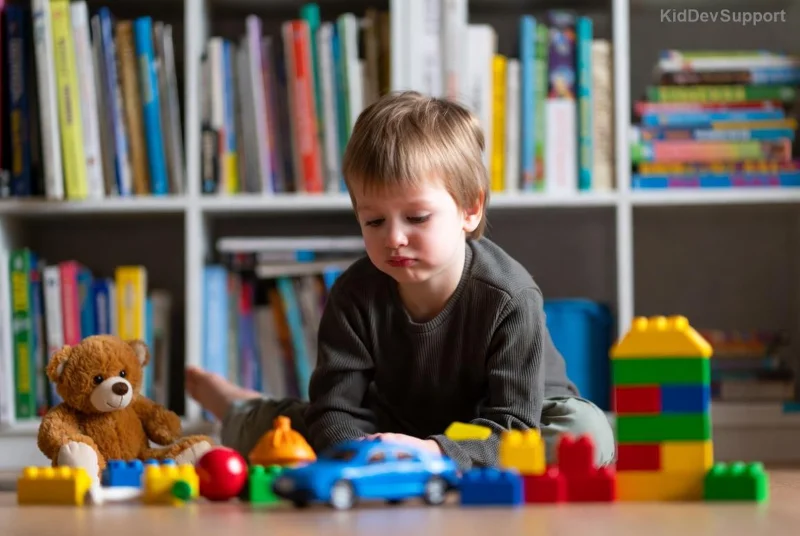
If stacking blocks, add one and say "Up goes the tower!" |
| Take Turns |
Build conversational back-and-forth. |
Roll a ball: "Your turn!" Wait, then "My turn!" |
| Respond to Your Child's Communication |
Acknowledge every attempt, even gestures. |
Child grunts at juice: "Juice? Here you go!" |
| Add Language |
Expand on their words or actions. |
Child says "Dog": "Yes, big brown dog running!" |
These strategies create a language-rich environment without pressure. Parents report noticeable improvements in just weeks. Want real results? Keep reading to see the science behind it. 😊
![Happy child talking with parent during Hanen activity]()
Proven Benefits of The Hanen Program
Why choose "It Takes Two to Talk"? The latest evidence shows:
- Accelerated Progress: Children gain words and phrases faster through parent involvement.
- Long-Term Gains: Builds skills that last into school years.
- Family Empowerment: Reduces parental stress while strengthening bonds. 🌟
- Cost-Effective: Fewer therapy sessions needed over time.
A recent meta-analysis highlights that parent-implemented programs like this outperform clinic-only models. For kids on the autism spectrum or with developmental delays, it's equally transformative.
Visit the official Hanen Centre site for more research-backed insights.
Who Benefits Most from "It Takes Two to Talk"?
Ideal for toddlers showing signs of speech delays, such as limited words by 24 months or poor eye contact during interactions. It's not just for diagnosed cases—early use prevents escalation. Pediatricians often recommend it as first-line support.
How to Get Started with The Hanen Program
Ready to transform communication at home? Follow these steps:
- Find a Certified Leader: Search for local Hanen Program providers via the Hanen directory.
- Join a Seminar: Attend the "It Takes Two to Talk" parent training (typically 7 sessions).
- Practice Daily: Use strategies during meals, play, and baths.
- Track Progress: Note new words weekly for motivation.
- Supplement with Resources: Grab the official guidebook for on-the-go tips.
Many programs offer virtual options, making it accessible worldwide. Costs vary, but group formats keep it affordable. Success stories abound—parents share how silent toddlers became chatty explorers. ✨
Common Challenges and Solutions
Frustrated by no immediate results? Patience is key; consistency yields breakthroughs. If your child resists, start small with high-interest activities. For advanced needs, combine with other Hanen Program offerings like "More Than Words."
Final Thoughts: Make Communication a Family Adventure
The Hanen Program's "It Takes Two to Talk" isn't just therapy—it's a partnership that unlocks your child's potential. By observing, responding, and playing together, you'll foster a lifetime of confident communication. Don't wait for delays to worsen; start today and watch the magic unfold. Your child is ready— are you? Consult your pediatrician and find a program near you. Here's to brighter, chattier tomorrows! 🎉
Disclaimer: This guide is informational. Seek professional advice for your child's needs.