Every parent dreams of hearing their toddler babble exciting new words. But if your little one is stuck on a few sounds, you're not alone. Recent studies show that up to 15% of toddlers experience slight speech delays, but early intervention with simple tips to help your toddler say new words can make a huge difference. These strategies, drawn from the latest pediatric guidelines, focus on fun, everyday activities to spark language growth. Stick around as we break down actionable steps that keep your child engaged and talking more.

Why Focus on Helping Your Toddler Say New Words Early?
Between 18-24 months, most toddlers add 10-50 words monthly. Delays can stem from hearing issues or simply less exposure, but consistent practice builds neural pathways for speech. The good news? You don't need fancy tools—just your voice and patience. Let's dive into these simple tips that experts recommend for rapid progress.
1. Talk Constantly: Narrate Your Day ✅
The foundation of toddler language development is exposure. Describe everything: "We're putting on red shoes!" or "Yummy apple—crunch crunch!" This "child-directed speech" uses short sentences and high energy, making words stick. Aim for 30,000 words daily—recent research links this to bigger vocabularies by age 3.
2. Read Aloud Daily: Make Books Your Best Friend 📖
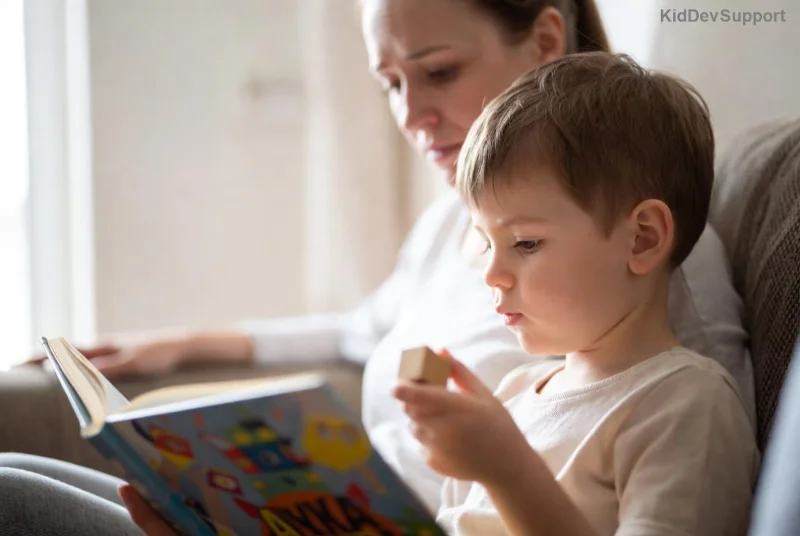
Picture books aren't just fun; they're speech superchargers. Point to images and say, "Look, big dog! Woof woof!" Repeat favorites to build familiarity. Studies from leading speech organizations confirm daily reading doubles new word acquisition. Pro tip: Use touch-and-feel books for multi-sensory learning.
3. Sing Simple Songs and Rhymes 🎵
Melody aids memory. Classics like "Wheels on the Bus" or "Itsy Bitsy Spider" teach rhythm and repetition. Sing slowly, exaggerating words like "round and round." This tip shines for reluctant talkers, as music activates different brain areas for easier recall.
Ready for more? These next tips build on interaction to encourage toddler talking even faster.
![Parent reading to toddler for speech development]()
4. Repeat and Expand: Turn Babble into Words
If your toddler says "ba," respond with "Ball! Yes, red ball!" This modeling expands their attempts without correction. It's a core technique from speech-language pathology, proven to increase word use by 40% in weeks.
5. Play Imitation Games: Mirror Their Sounds
Get face-to-face and copy their coos or gestures, then add a word: Echo "ma-ma" back as "Mama loves you!" Games like peek-a-boo reinforce turn-taking, essential for conversational skills.
6. Use Gestures and Signs: Bridge to Speech 👐
Teach basic baby signs for "more," "eat," or "milk." This reduces frustration and paves the way for spoken words. Latest guidelines endorse sign language for toddlers, showing it accelerates verbal milestones.
7. Limit Screen Time: Prioritize Real Talk 📵
Screens can't replace interaction. Cap at 1 hour daily for ages 2+, per pediatric recommendations. Swap TV for playdates where real voices model speech nuances.
Curious about tracking progress? Check this quick milestone table:
| Age |
Expected Words |
Action if Delayed |
| 12-18 months |
5-20 |
Boost with tips 1-3 |
| 18-24 months |
50+ |
Add tips 4-6 |
| 24-36 months |
200-1000 |
Consult pro if needed |
8. Create Word-Rich Environments: Label Everything 🏠
Stick labels on toys, fridge items, or doors. Point and say the word during play. This passive learning reinforces active speech without pressure.
![Toddler learning words through play]()
9. Encourage Choices: Prompt with Questions ❓
Ask "Do you want apple or banana?" to elicit responses. This builds decision-making and word practice. Avoid yes/no questions early on—they limit output.
10. Be Patient and Positive: Celebrate Every Try 🎉
Praise efforts lavishly: "Great job saying 'dog'! More?" Positive reinforcement wires the brain for repetition. Avoid pushing; frustration stalls progress.
11. Group Play: Learn from Peers 👫
Playdates expose toddlers to peer speech models. Watch how they mimic friends—it's natural acceleration for toddler speech tips.
12. Monitor and Seek Help if Needed 🩺
Track words monthly. If under 50 by 24 months, consult a pediatrician. Early therapy works wonders. For reliable info, visit American Speech-Language-Hearing Association.
Putting It All Together: Your Weekly Plan
Week 1: Focus on talking/reading/singing (Tips 1-3).
Week 2: Add repetition/games (4-5).
Ongoing: Integrate all for lasting gains. Parents report 2-3x more words in a month with consistency.
These simple tips to help your toddler say new words empower you to nurture speech at home. Start today, stay consistent, and watch your toddler's world expand through words. Got questions? Share in comments below!