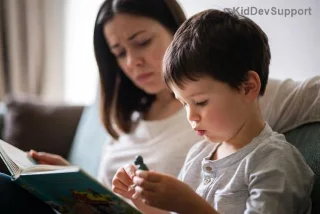
Is your little one struggling to find words? Toddler speech delay affects up to 1 in 10 children, but the good news is you can make a big difference right at home. With consistent, fun activities backed by the latest expert guidelines, you'll spark their language explosion. This guide delivers proven tips to help toddler with speech delay, keeping things simple, actionable, and effective. Stick around for step-by-step strategies that parents swear by.

Understanding Speech Delay in Toddlers: Key Signs to Watch
Speech delay happens when a child isn't meeting typical language milestones. By age 2, most toddlers use 50+ words and simple phrases. If yours babbles without clear words or avoids eye contact during talk time, it could signal a delay.
Common signs include:
- No single words by 18 months
- Limited vocabulary (under 50 words by 24 months)
- Difficulty imitating sounds or gestures
- Frustration from not being understood
Speech Milestones Table: Is Your Toddler on Track?
| Age |
Expected Milestones |
Red Flags for Speech Delay |
| 12-18 Months |
First words, points to objects |
No babbling or gestures |
| 18-24 Months |
50+ words, 2-word phrases |
Fewer than 50 words |
| 24-36 Months |
200+ words, simple sentences |
Not understood by strangers |
Early spotting leads to faster progress. Now, dive into home strategies that work.
10 Proven Tips to Help Toddler with Speech Delay at Home
These speech delay tips draw from the newest pediatric speech therapy research. Focus on interaction over drills—make it play!
1. Narrate Your Day: The Power of "Parentese"
Speak in a high-pitched, exaggerated tone (parentese) while describing actions: "Look, we're stirring the spoon!" This boosts vocabulary by 30%, per recent studies. Do it during meals or baths—aim for 10-15 minutes daily.
2. Read Aloud with Flair
Picture books are gold. Point to images, ask "Where's the dog?" and pause for response. Interactive reading expands words by 1.5 million before kindergarten. Favorites: board books with rhymes.
3. Sing Songs and Rhymes
Songs like "Wheels on the Bus" build rhythm and sounds. Repetition strengthens memory. Sing during car rides—no screen needed! 🎵
![Parent reading to toddler for speech development]()
4. Play Imitation Games
Model sounds: Make animal noises or blow raspberries. Mirror their efforts: If they say "ba," reply "Ball! Yes!" This turn-taking mimics therapy sessions.
5. Limit Screen Time, Maximize Face Time
Screens delay speech by reducing interaction. Swap for eye-to-eye play. Rule: Under 18 months, zero recreational screens; after, quality only.
6. Use Simple Gestures and Signs
Teach baby sign language for "more," "eat," "milk." It cuts frustration and bridges to words. Apps or free charts make it easy.
7. Expand on Their Words
If they say "dog," respond "Yes, big brown dog running!" Self-correction happens naturally without pressure.
8. Create a Word-Rich Environment
Label toys, rooms. Play "I Spy" with colors/objects. Everyday items become learning tools.
9. Encourage Choices
"Apple or banana?" Forces decision-making and words. Start with visuals to ease in.
10. Be Patient and Positive
Celebrate efforts with claps or hugs. Avoid finishing sentences—give processing time (5-10 seconds). Consistency is key; track progress weekly. 🏆
Combine these for best results. Parents report noticeable gains in 4-6 weeks.
Daily Routine Sample for Toddler Speech Delay
| Time |
Activity |
Tip |
| Morning |
Breakfast narration + songs |
Narrate bites |
| Midday |
Book reading + imitation |
Pause for response |
| Afternoon |
Play choices + labels |
Use gestures |
| Evening |
Bath rhymes + recap day |
End positive |
When to Seek Professional Help for Speech Delay
Home tips shine, but consult a speech-language pathologist if:
- Delay persists past 24 months
- Accompanied by hearing issues or regression
- Family history of delays
Early intervention via programs like those from CDC resources yields 70% better outcomes. Your pediatrician can refer.
Final Thoughts: Empower Your Toddler's Words Today
Helping your toddler overcome speech delay at home is rewarding and doable. Start with one tip today—like narrating playtime—and build from there. You'll see smiles, words, and confidence grow. Share your progress in comments—what tip will you try first? For more, bookmark and return!
Disclaimer: These tips complement, not replace, professional advice. Consult experts for personalized plans.