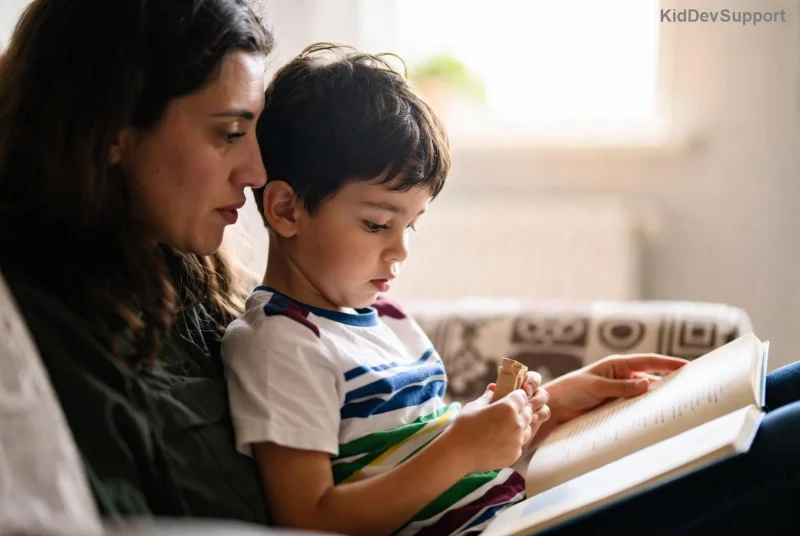
In the dynamic world of child development, pediatric speech-language pathology is evolving rapidly. Parents and professionals alike seek ways to address speech delays in children early and effectively. Imagine therapies that adapt in real-time to a child's unique needs, powered by cutting-edge technology. This article dives into the future trends in pediatric speech-language pathology, offering actionable insights to help kids communicate confidently. Stick around to explore how these innovations could transform outcomes for young voices. 👶🗣️

1. AI and Machine Learning: Revolutionizing Diagnosis and Personalization
Artificial intelligence (AI) is at the forefront of future trends in pediatric speech-language pathology. The newest AI tools analyze speech patterns with unprecedented accuracy, detecting subtle delays before they become apparent. For instance, machine learning algorithms process vocal data from apps, providing instant feedback during play-based sessions.
Personalized therapy plans are now possible through AI-driven assessments. These systems track progress in real-time, adjusting exercises to match a child's pace. Studies from leading institutions highlight how AI reduces diagnostic time by up to 50%, enabling earlier interventions for conditions like autism-related speech challenges.
| Traditional Diagnosis |
AI-Powered Future |
| Manual assessments (hours-long) |
Instant analysis via apps |
| Generic therapy plans |
Customized, adaptive programs |
| Limited data tracking |
Real-time progress analytics |
This shift promises higher success rates. Curious how AI integrates with daily routines? Keep reading for more game-changing tech. Learn more from ASHA.
2. Teletherapy Expansion: Accessible Care Anywhere
Post-pandemic, teletherapy for kids has surged as a key trend. Secure platforms now deliver high-quality pediatric speech therapy via video, bridging gaps in rural or underserved areas. Interactive tools like virtual manipulatives engage children, mimicking in-person sessions.
The newest platforms incorporate gamification, turning therapy into fun adventures. Parents report improved adherence, with sessions fitting busy schedules. Data shows teletherapy matches face-to-face efficacy for articulation disorders, making it a staple in future practices.
Challenges like screen fatigue are addressed through hybrid models—combining virtual and in-clinic visits. This flexibility empowers families, ensuring consistent progress without travel hassles.
3. Neurotechnology and Brain-Computer Interfaces
![Innovative neurotech tools for pediatric speech therapy]()
Emerging neurotech is reshaping pediatric speech-language pathology. Wearable devices and EEG headsets monitor brain activity during speech tasks, offering insights into neural pathways. This data informs targeted interventions for disorders like childhood apraxia of speech.
Brain-computer interfaces (BCIs) allow non-verbal children to "speak" via thought-controlled apps. Recent prototypes have shown promising results in clinical trials, enhancing communication for those with severe motor impairments.
Integration with VR headsets creates immersive environments where kids practice social pragmatics safely. These tools not only accelerate learning but also boost motivation—key for long-term success. 🏆
4. Data-Driven and Predictive Analytics
Big data is unlocking predictive models in speech delays in children. By aggregating anonymized therapy data, algorithms forecast risks and recommend preemptive strategies. Early screening apps in schools identify at-risk toddlers, facilitating proactive care.
Personalized dashboards for therapists visualize trends, from phoneme mastery to language growth. This precision medicine approach minimizes trial-and-error, optimizing outcomes.
| Trend |
Benefit |
Impact on Kids |
| AI Diagnostics |
Faster, accurate detection |
Earlier interventions |
| Teletherapy |
Remote access |
Consistent therapy |
| Neurotech |
Brain insights |
Targeted recovery |
| Predictive Analytics |
Risk forecasting |
Preventive care |
5. Multilingual and Culturally Responsive Therapies
As global populations diversify, future trends in pediatric speech-language pathology emphasize multilingual support. AI translators and bilingual apps enable seamless therapy across languages, preserving cultural nuances.
Culturally tailored materials address biases in traditional assessments. For bilingual children, dual-language tracking ensures equitable evaluations, reducing misdiagnosis rates.
![Multilingual speech therapy for diverse children]()
6. Augmented Reality (AR) and Gamified Interventions
AR overlays interactive speech prompts on real-world objects via tablets, making therapy engaging. Games reward correct pronunciations with virtual rewards, sustaining attention in young learners.
The newest apps blend AR with social stories, aiding pragmatic skills for neurodiverse kids. Engagement metrics show 30-40% higher retention compared to conventional methods.
7. Collaborative Ecosystems and Parental Empowerment
Future care involves interdisciplinary teams—SLPs, educators, pediatricians—linked via shared platforms. Parents gain apps for home reinforcement, with AI coaching on techniques.
Empowerment programs teach families evidence-based strategies, fostering independence. This holistic model amplifies therapy's impact beyond clinics. 😊
Ethical Considerations and Implementation Challenges
While exciting, these trends raise privacy concerns with data-heavy tools. Robust regulations ensure child safety. Equity issues demand affordable access, prompting subsidies and open-source initiatives.
Training for SLPs is crucial; certification programs now include tech modules. Overcoming these hurdles will maximize benefits.
Conclusion: A Brighter Future for Young Communicators
The future trends in pediatric speech-language pathology herald a transformative era. From AI personalization to neurotech breakthroughs, these innovations promise earlier, more effective interventions for speech delays in children. Parents, start exploring teletherapy today; professionals, upskill in AI tools.
Ready to unlock your child's potential? Share your thoughts below or consult a specialist. The voice of tomorrow starts now. 🌟