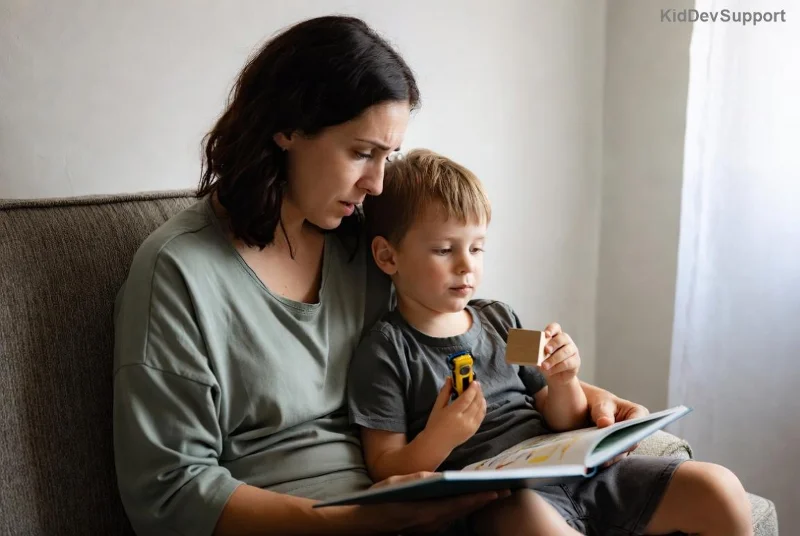
Is your child struggling to find the right words, even though they understand everything you say? If so, childhood apraxia of speech (CAS) might be the culprit. As a parent, witnessing this can be heartbreaking, but there's hope. Speech therapy for apraxia offers proven paths to clearer communication. This guide breaks down what you need to know—from early signs to therapy strategies and home support—so you can empower your child's voice. Let's dive in and turn frustration into fluency. 😊
What is Childhood Apraxia of Speech (CAS)?
Childhood apraxia of speech is a motor speech disorder where the brain struggles to plan and coordinate the precise movements needed for speech sounds. Unlike typical delays, CAS isn't about muscle weakness—it's a planning issue. The latest research from leading speech organizations highlights that CAS affects about 1-2 children per 1,000, often appearing in toddlers or preschoolers.
Key fact: Children with CAS know what they want to say but can't execute the motor plan. This leads to inconsistent errors—groping for sounds one day, nailing them the next. Early intervention with speech therapy for apraxia is crucial, as the brain's plasticity peaks in young years.
Recognizing the Signs: When to Suspect Apraxia
Spotting CAS early can change everything. Watch for these red flags:
- Inconsistent speech errors (e.g., "dog" said as "gog" today, "do" tomorrow)
- Groping or searching for how to move the mouth, tongue, or lips
- Limited babbling or vowel/consonant variety as a baby
- Difficulty with longer words or phrases, even if short ones are okay
- Frustration during communication attempts
If your child is 3+ and still using single words predominantly, consult a professional. A simple screening can differentiate CAS from other delays.
How is Apraxia Diagnosed?
Diagnosis starts with a speech-language pathologist (SLP) trained in motor speech disorders. Expect:
- A comprehensive speech and language evaluation
- Observation of dynamic speech tasks (repeating words of varying lengths)
- Assessments for oral-motor control and co-occurring issues like language delays
No single test confirms CAS—it's based on patterns. The gold standard? Tools like the Dynamic Evaluation of Motor Speech Skill (DEMSS), ensuring accurate identification for tailored speech therapy for apraxia.
![Speech-language pathologist working with child on apraxia therapy]()
What to Expect from Speech Therapy for Apraxia
Speech therapy for apraxia is intensive and targeted, typically 2-5 sessions weekly for 30-60 minutes each. Intensity matters—recent guidelines emphasize high-repetition practice to rewire brain pathways.
Therapy focuses on:
- Principles of Motor Learning (PML): Blocked and random practice for skill-building
- Multi-sensory cues (visual, tactile, auditory) to guide movements
- Progression from sounds to words, phrases, and sentences
Success isn't overnight; many see gains in 6-12 months with consistency.
Proven Speech Therapy Techniques for CAS
Here's a breakdown of evidence-based methods in a handy table:
| Technique |
How It Works |
Best For |
| DTTC (Dynamic Temporal and Temporal Cueing) |
Shaping utterances with hand cues and fading support |
Toddlers to school-age |
| PROMPT |
Physical prompts on face/jaw for precise motor control |
Severe cases |
| RAPID-ABC |
Rate, accuracy, prosody, intelligibility drills |
School-age kids |
| Biofeedback |
Ultrasound/visual tools for tongue positioning |
Resistant sound errors |
These align with the latest recommendations from ASHA. 🏆
Empowering Parents: Home Practice Tips
Therapy shines with home reinforcement. Try these daily:
- Model correct speech slowly, without correction
- Use apps like Apraxia Villa or Articulation Station for fun drills
- Incorporate play: Sing songs with exaggerated movements
- Track progress in a journal to celebrate wins
Pro tip: 10-15 minutes daily beats marathon sessions. Your involvement boosts outcomes by 2-3x.
![Parent and child practicing speech therapy exercises at home for apraxia]()
Finding the Right Speech-Language Pathologist (SLP)
Seek SLPs certified in CAS with experience in motor speech. Check:
- ASHA certification (CCC-SLP)
- Training in DTTC or PROMPT
- Positive reviews from CAS families
Teletherapy options expand access, especially in rural areas. Start with your pediatrician for referrals.
Tracking Progress and Celebrating Milestones
Measure success by:
- Increased intelligibility (strangers understanding 50%+)
- Spontaneous phrase use
- Reduced frustration 😢 → joy in talking 😊
Annual re-evaluations adjust plans. Long-term? Many kids achieve near-normal speech with sustained effort.
Resources and Next Steps
Connect with support:
- Apraxia Kids for free webinars
- Local CAS parent groups
- Books like "Speaking of Apraxia" for deeper dives
Ready to act? Schedule that SLP evaluation today. Your child's fluent future starts now.
Every voice deserves to be heard. With the right speech therapy for apraxia, yours will. 💬