Imagine your toddler struggling to form words, their world muffled by an unseen barrier. This isn't just a phase—it's often the hidden grip of hearing loss causing delayed speech. Understanding the link between hearing loss and delayed speech is crucial for parents and caregivers. Early action can transform frustration into fluent communication. In this guide, we'll break down the science, signs, and solutions with the latest insights to empower you.
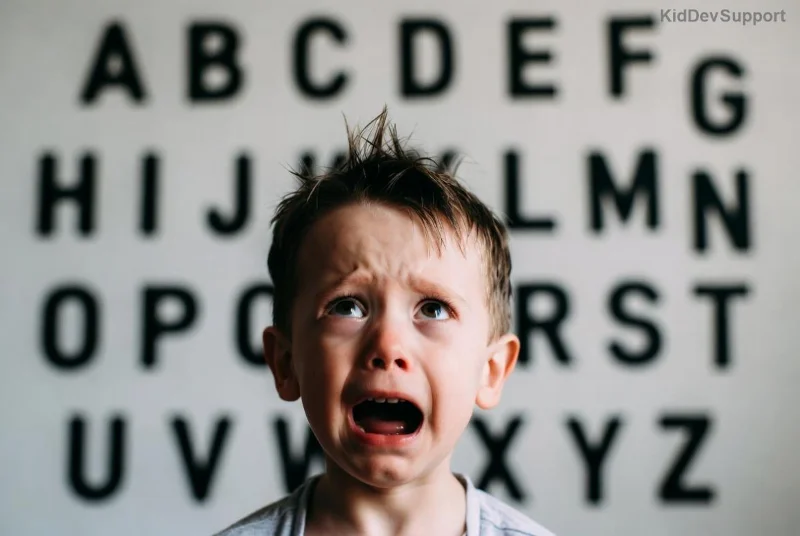
What is Hearing Loss and Why Does it Matter for Speech?
Hearing loss occurs when the ear fails to process sounds properly, ranging from mild to profound. In children, it's often congenital—present at birth—or acquired from infections, injuries, or noise exposure. The inner ear's cochlea converts sound waves into signals for the brain. When damaged, this pathway falters, starving the brain of essential auditory input.
Speech development hinges on hearing. Babies learn language by mimicking sounds they hear. Without clear audio cues, phonetic building blocks crumble. Recent studies confirm that even mild hearing loss (26-40 dB) disrupts this, leading to gaps in vocabulary and articulation.
Defining Delayed Speech: Milestones and Red Flags
Delayed speech, or speech-language delay, means a child lags behind peers in producing sounds, words, or sentences. By 12 months, babies should babble; by 24 months, combine two words; by 36 months, speak in short sentences.
| Age |
Normal Milestone 👶 |
Delayed Speech Signs ⚠️ |
| 6-12 months |
Babbling (ba-ba, da-da) |
No babbling or response to sounds |
| 12-18 months |
5-20 words |
Fewer than 5 words |
| 24-36 months |
Two-word phrases, 200+ words |
Single words only, unclear speech |
This table highlights critical checkpoints. Persistent delays signal deeper issues like hearing loss.
The Direct Link: How Hearing Loss Causes Delayed Speech
The connection is profound: hearing is the foundation of speech. Children with untreated hearing loss miss 50-75% of conversational speech, per latest auditory research. This auditory deprivation stalls neural pathways in the language centers of the brain.
- Phoneme Gaps: Hard-to-hear sounds like 's', 'th', or 'f' become muddled.
- Vocabulary Deficit: Fewer words heard means fewer learned.
- Social Impact: Frustration from miscommunication leads to withdrawal, worsening delays.
Think of it as a chain reaction. Recent neuroimaging shows brain plasticity decreases after age 3, making early intervention vital. But how do you spot it early? Keep reading for telltale signs.
![Illustration of speech therapy session addressing hearing loss and delayed speech]()
Key Signs of Hearing Loss Linked to Delayed Speech
Spotting the duo early changes everything. Watch for:
- No Startle Response: Newborns should react to loud noises. Absence? Test hearing ASAP.
- Inconsistent Responses: Turns to you sometimes but ignores calls.
- Speech Errors: Omits endings (e.g., "ba" for "ball") or substitutes sounds.
- Behavioral Clues: Overly quiet, watches mouths intently, or turns up TV volume. 😟
These overlap with autism or processing disorders, so professional screening is key.
Diagnosis: Unmasking the Culprit
Start with newborn hearing screening—universal in most developed systems. For older kids:
- Otoacoustic Emissions (OAE): Checks inner ear response to sound.
- Auditory Brainstem Response (ABR): Measures brain waves to clicks.
- Behavioral Audiometry: Observes play responses to tones.
Speech-language pathologists (SLPs) assess via tools like the Goldman-Fristoe Test. Combine with ENT exams for comprehensive diagnosis. The latest protocols emphasize multidisciplinary teams for accuracy.
For reliable info, consult CDC guidelines or ASHA resources.
Treatment and Intervention: Pathways to Progress
Good news: 90-95% of cases are treatable. Tailored plans restore hearing and speech:
| Treatment |
How It Helps |
Success Rate ⭐ |
| Hearing Aids |
Amplifies sound for mild-moderate loss |
80-90% improvement in speech |
| Cochlear Implants |
Direct ear-to-brain bypass for severe loss |
Language catch-up within 2 years |
| Speech Therapy |
Auditory-verbal training |
Boosts articulation 70% |
Early fitting (before 6 months) yields near-normal outcomes. Family involvement amplifies results—daily listening activities build skills. Ongoing monitoring prevents regressions.
Prevention and Long-Term Strategies
Prevent hearing loss to sidestep delayed speech:
- Vaccinate against measles, mumps (major causes).
- Protect ears from loud noises (earplugs at concerts).
- Prompt ear infection treatment.
- Monitor during pregnancy (avoid ototoxic drugs).
Long-term: Annual check-ups, school accommodations, and tech like FM systems ensure success. Celebrate milestones—happy speech blooms confidence! 😊
Conclusion: Act Now for a Lifetime of Clear Voices
Understanding the link between hearing loss and delayed speech arms you against silence. From subtle signs to swift interventions, you've got the roadmap. Don't wait—schedule a hearing screen today. Your child's voice deserves to be heard. Share your story below or consult a specialist. Early detection isn't just smart; it's transformative.
Ready for more? Dive into our guides on toddler milestones and home speech exercises next.